



By Rodgers Omondi, Busia
Sugarcane farmers have urged the government to ensure the upcoming Kenya Sugar Board (KSB) directors elections are conducted in a free, fair and transparent manner, free from interference by sugar millers and other vested interests. They said the elections present an opportunity for growers to elect genuine representatives who will champion reforms in the sector and address long-standing challenges affecting cane farming.
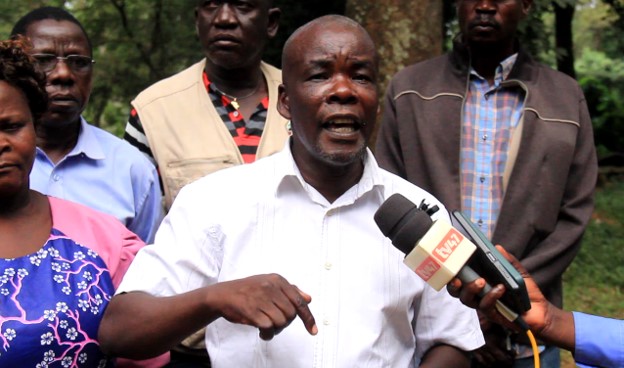
Led by the national coordinator of small-scale farmers Lambert Ogochi, the growers accused some millers of openly supporting particular candidates and directing their field officers to campaign on their behalf. They warned that such actions could compromise the credibility of the elections and deny farmers the opportunity to choose leaders who genuinely represent their interests.
“We are asking all millers not to interfere with the Kenya Sugar Board elections. Some millers have aligned themselves with specific candidates and instructed their field officers to campaign for them. This has angered farmers who fear they may end up electing leaders who will serve the interests of millers instead of farmers,” he said.
Ogochi also raised concerns over the delay in conducting the elections, alleging that it could be aimed at allowing the misuse of funds collected through taxes imposed on imported and locally produced sugar.
“During public participation forums with the Kenya Sugar Board, it was agreed that both imported and locally produced sugar would be taxed, and the implementation began in January. There is money currently held by the board that should be supporting farmers. We want those funds managed under the oversight of elected farmer representatives who will ensure they are properly distributed through farmers’ SACCOs,” he added.
Another farmer, Chris Munyane, claimed that cartels that have long benefited from the sugar sector are frustrating efforts to reform the industry by filing court cases aimed at delaying the elections.
“Our sector has faced challenges for many years. Even after plans for the elections were announced, individuals benefiting from the current system moved to court to stop the process. We are calling on the government to ensure the elections are held so that farmers can elect directors who will address their needs and revive the industry,” said Munyane.
John Orengo called on the government to ensure that leaders responsible for making policies in the sugar sector come from cane-growing regions and have firsthand experience of the challenges facing farmers.
“Our leaders will play a key role in reviving sugarcane farming. Farmers must elect genuine representatives who understand the realities of the sector. We also want government institutions dealing with sugar matters to be led by people who understand the industry. The increased importation of sugar has contributed to the decline in cane prices, making it difficult for farmers to earn a decent income,” he said.
Hildah Odele echoed the sentiments, saying the government should establish stronger regulations to protect farmers from exploitation by brokers who take advantage of growers due to weak oversight mechanisms.
“As farmers, we continue to face numerous challenges, including exploitation by brokers. We need leaders who understand the sector and can push for policies that protect farmers. Many growers have suffered losses because there are no clear guidelines to regulate the activities of brokers in the industry,” she said.
Erick Juma urged the government to introduce regular bonus payments for sugarcane farmers, similar to those enjoyed by tea and coffee farmers. He also called for the adoption of digital weighbridges and farm-based cane weighing systems to improve transparency and reduce losses incurred by farmers.
“We want sugarcane to be weighed at the farm before transportation to factories. Many farmers suffer losses when cane is damaged or lost while being transported. Once the cane leaves the farm, the responsibility should shift to the miller. We also need digital weighing systems to eliminate disputes and ensure farmers receive fair compensation for their produce,” said Juma.