



By Lynnet Juma, Kakamega
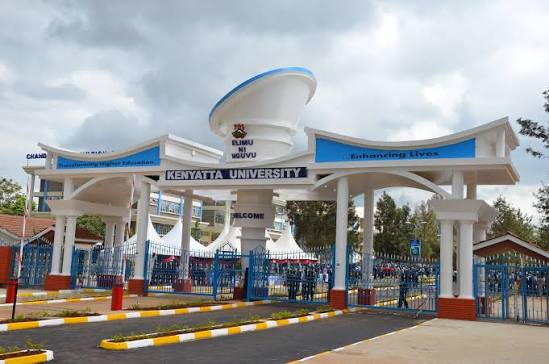
Kenyatta University, one of Kenya’s largest public universities, is once again under scrutiny after questions emerged over how billions of shillings were spent during previous administrations.
The matter came before the National Assembly’s Public Investments Committee on Governance and Education under the chairmanship of Luanda MP Dick Maungu, where Members of Parliament examined a special audit report pointing to a possible loss of Sh6.2 billion. The report raised concerns over several projects and spending decisions made at the university over a number of years.
As a result, former Vice Chancellors Prof. Olive Mugenda and Prof. Paul Wainaina have been summoned to appear before the committee to explain the issues raised in the audit. Lawmakers want answers from the officials who were in charge when the decisions were made.
The matter has attracted public attention because Kenyatta University is largely funded through public resources. Many Kenyans expect such institutions to use public funds prudently and account for every shilling spent.
During the committee session, MPs said it would be difficult for the current Acting Vice Chancellor, Prof. John Okumu, to answer questions about events that occurred before he took office. They argued that those who led the university during the period under review are better placed to explain what transpired.
Mr Maungu said the investigation seeks to establish the truth and ensure accountability. He said public institutions must remain transparent in the management of public resources.
The audit report highlights several areas of concern, including claims of unsupported expenditure, procurement irregularities, and projects that remain unfinished despite significant amounts of money having been spent on them.
The committee also discussed a number of stalled projects at the university, including the Children’s Hospital, the School of Business, and the Crystal Facility. Years after construction began, some of the projects remain incomplete.
For many observers, the unfinished projects raise questions about planning and financial management. Large development projects are expected to benefit students and the wider community, but prolonged delays often increase costs and reduce the value of the investment.
Appearing before the committee, Acting Vice Chancellor Prof. Okumu acknowledged that many of the issues raised in the audit occurred before he assumed office. He agreed that his predecessors would be better placed to respond to most of the committee’s questions.
He also explained that financial constraints have slowed the completion of some projects. According to him, inadequate funding and delays in the release of government support have affected the university’s ability to complete several developments.
Another issue raised during the hearings was procurement. MPs questioned reports that some local purchase orders were issued after goods had already been delivered. They also expressed concern over the use of expired purchase orders in certain transactions.
University procurement officials acknowledged that some procedural lapses occurred during the period under investigation. However, they maintained that the officers currently serving were not responsible for the transactions cited in the audit report. They added that new measures have since been introduced to strengthen internal controls and improve accountability.
The committee is expected to continue its investigation by summoning former procurement officers and possibly members of the University Council who served during the period under review. Lawmakers believe these individuals could provide further insight into how key decisions were made.