



By Dickson Andati, Kisumu
For thousands of young people across Kenya’s Nyanza region, turning 18 has not automatically opened the door to adulthood.
Despite reaching the legal age to obtain a national identity card, nearly 60,000 young men and women in Kisumu, Migori, Homa Bay and Siaya counties are still waiting for the document that unlocks access to higher education, employment opportunities, government services and participation in elections.
Government officials say the problem stems partly from the region’s unique geography. Bordering neighbouring countries and sitting along major migration corridors, parts of Nyanza have for years been subjected to stricter vetting procedures intended to safeguard the integrity of Kenya’s registration system. While designed to prevent fraud, the measures have also left many eligible citizens struggling to obtain identity documents.
It is a challenge the government now hopes to address through revised National Registration Guidelines unveiled during a sensitization programme for National Government Administrative Officers (NGAOs) in Kisumu County.
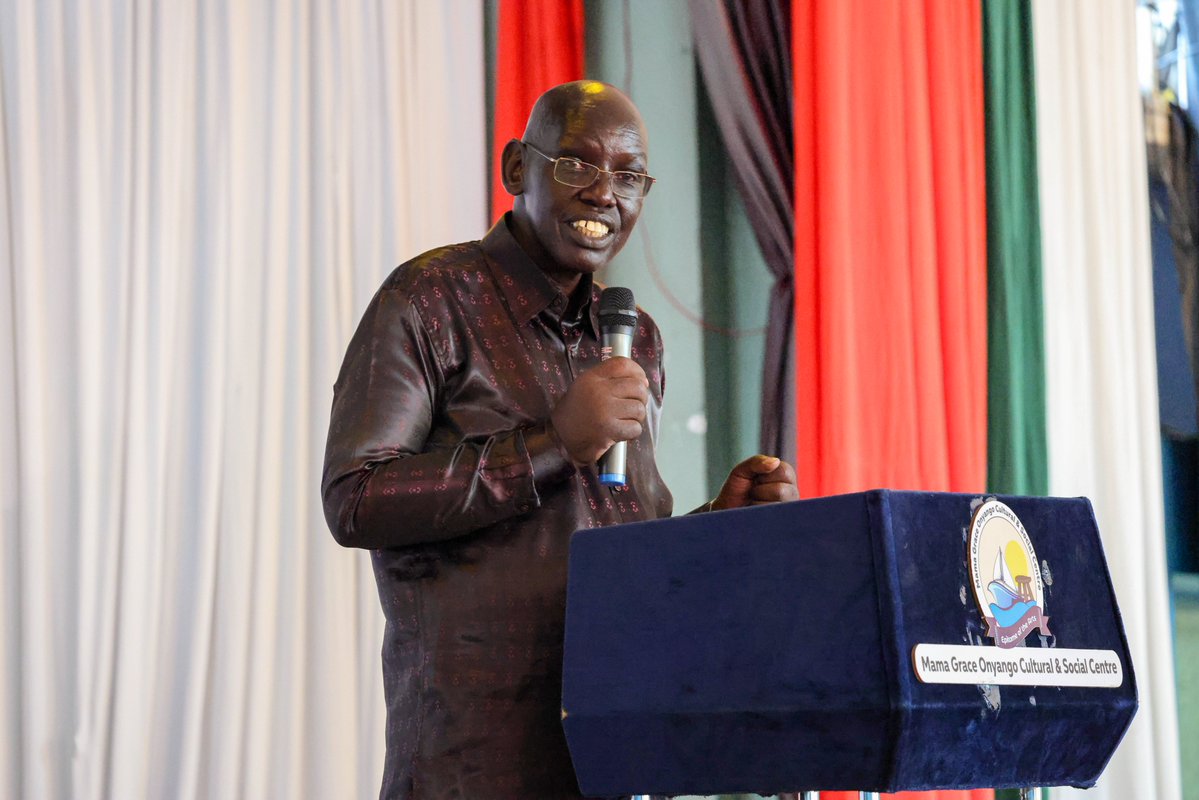
The exercise, led by Principal Secretary for Immigration and Citizen Services Dr Belio Kipsang at the Mama Grace Onyango Cultural Centre, brought together chiefs and assistant chiefs from all eight sub-counties of Kisumu.
The programme was attended by Nyanza Regional Commissioner Onesmus Musyoki Kyatha and Kisumu County Commissioner Ramadhan Mwabudzo, both of whom pledged support for efforts aimed at improving registration services and ensuring more citizens receive the documents they are entitled to.
Speaking during the session, Dr Kipsang described identity documents as the foundation upon which many opportunities are built.
“When you have an ID, you are able to access government programmes, apply for education loans and scholarships, register for housing initiatives and seek employment opportunities,” he said.
He noted that the impact of lacking an identity card extends far beyond personal identification. Young people without IDs often find themselves unable to access financial services, enroll in government programmes or participate fully in civic processes.
The issue also has implications for democratic participation. While recent voter registration exercises added approximately 45,000 new voters in Kisumu County, officials estimate that hundreds of thousands of eligible residents across the wider region are yet to register.

Central to the new guidelines is a greater role for chiefs and assistant chiefs, who are tasked with verifying applicants and confirming their eligibility for citizenship documents.
“The responsibility of establishing that someone is Kenyan and deserves these documents largely rests with chiefs and assistant chiefs,” Dr Kipsang said.
The government has also moved to reduce financial barriers associated with registration. Fees previously charged for first-time identity card applications have been waived, while charges for replacing IDs have also been removed. Discussions are ongoing to eliminate fees for birth certificates.
Addressing concerns about non-citizens obtaining Kenyan documents, Dr Kipsang said safeguards remain firmly in place. Applicants must provide birth records, establish family lineage and undergo verification by local administrators, with multi-agency teams available to investigate doubtful cases.