



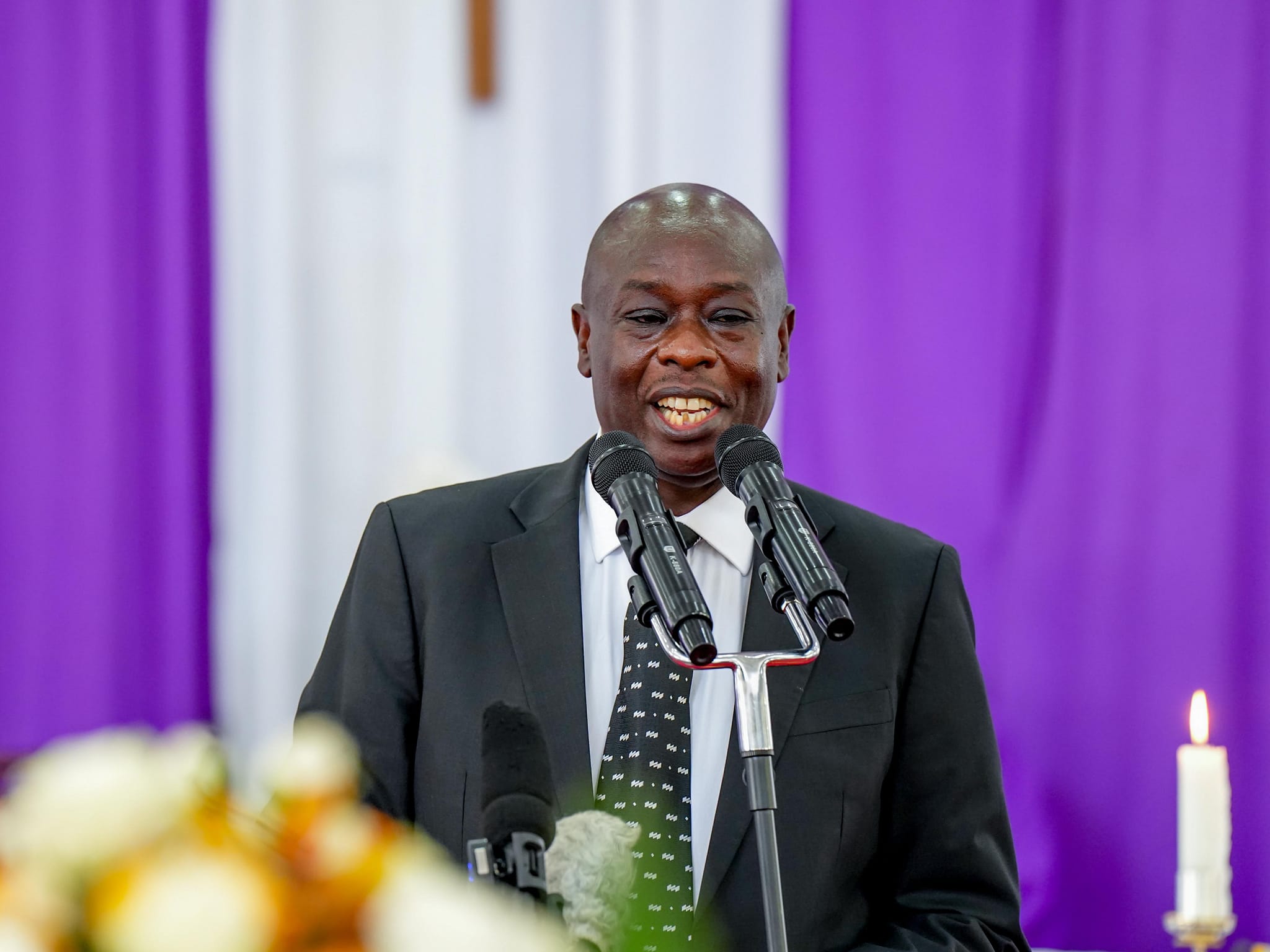
By Bradley Nandasaba and Lynnet Juma, Kakamega
Kenyans are sharply divided following the High Court’s decision to uphold the impeachment of former Deputy President Rigathi Gachagua, with some celebrating the ruling as a triumph for accountability and constitutional order, while others question the fairness of a process the court itself found to have violated his rights.
In a landmark judgment delivered on Monday, a three-judge bench upheld Gachagua’s October 2024 impeachment but awarded him KSh50 million in compensation after finding that the Senate violated his constitutional right to a fair hearing.
The judges ruled that senators acted unfairly when they declined to adjourn the proceedings despite being aware that Gachagua was ill and unable to fully present his defence. However, the court held that the procedural violations were not sufficient to invalidate the impeachment.
The court further ruled that reinstating Gachagua would create a constitutional crisis because Deputy President Kithure Kindiki had already been lawfully sworn into office.
Citing Articles 145 and 149 of the Constitution, the judges held that an impeachment vacancy can only be filled through the constitutional succession process and not through judicial reinstatement.
While the ruling settled the legal question of Gachagua’s removal from office, it immediately ignited debate across the country.
Speaking shortly after the judgment, Gachagua rejected the ruling and announced plans to appeal.
“I respect the court, but I do not agree with this decision. The judges have confirmed that my rights were violated during the impeachment process, yet they have upheld the outcome of that flawed process,” he told journalists.
He added: “Our legal team has received instructions to move to the Court of Appeal. We remain confident that justice will ultimately prevail.”
His lawyer, Ndegwa Njiru, was more blunt, describing the judgment as “judicial nonsense” and arguing that the court had issued contradictory findings.
Among those unhappy with the ruling is Douglas Wekesa, a Safaricom agent and brand ambassador, who believes the process lacked transparency.
“I don’t agree with the court’s decision. The witnesses were not properly cross-examined and the outcome looked predetermined. It felt like the decision had already been made,” he said.
Wekesa argued that such decisions risk weakening public confidence in the Judiciary.
“According to me, the judgment weakened public trust in the Judiciary. Many Kenyans now feel the institution is no longer fully independent,” he said.
He also warned politicians against using their positions for personal gain.
“When leaders are in power, they should remember they are not above the law. They should make decisions that benefit Kenyans and not themselves because one day those same laws may work against them.”
Kennedy Omondi shared similar concerns, saying the court’s findings raised difficult questions.
“I don’t agree totally. The strongest part of the ruling was the finding that Gachagua’s rights were violated. That is why many people are struggling to understand how the impeachment was still upheld,” he said.
Omondi called on the Judiciary to remain independent and impartial in politically sensitive cases.
Yet for many others, the ruling was a necessary affirmation that leaders must be held accountable regardless of their position.
Weldon Rono, a security officer in Amalemba, Kakamega, welcomed the judgment.
“I support the impeachment and I agree with the court’s decision. The Judiciary showed that it can act independently even under intense political pressure,” he said.
Rono said the ruling demonstrated that constitutional institutions remain stronger than individual politicians.
“It sends a message that no leader is bigger than the Constitution.”
In Siaya County, Carilas Nyendo also supported the outcome, arguing that leaders should promote national unity rather than ethnic politics.
“I think it was the right decision. Leaders should represent all Kenyans regardless of tribe or region. The ruling should be an example to leaders who seek to divide the country,” he said.
Nyendo urged political leaders to respect court decisions even when they disagree with them.
“The Judiciary is independent and its decisions should be respected. That is how democracy works.”
Lamitan Felix, a businessman and author from Kakamega, argued that the judgment could help shift political conversations away from ethnic loyalties and towards issues of governance.
“I think the judgment is good for the public because it challenges people to look beyond ethnic politics. We should judge leaders based on their actions and not on where they come from,” he said.
Felix also defended Parliament and the Senate, saying lawmakers had acted within their constitutional mandate.
“I think the senators and members of Parliament did what the Constitution required them to do. I don’t see any fault in that.”