



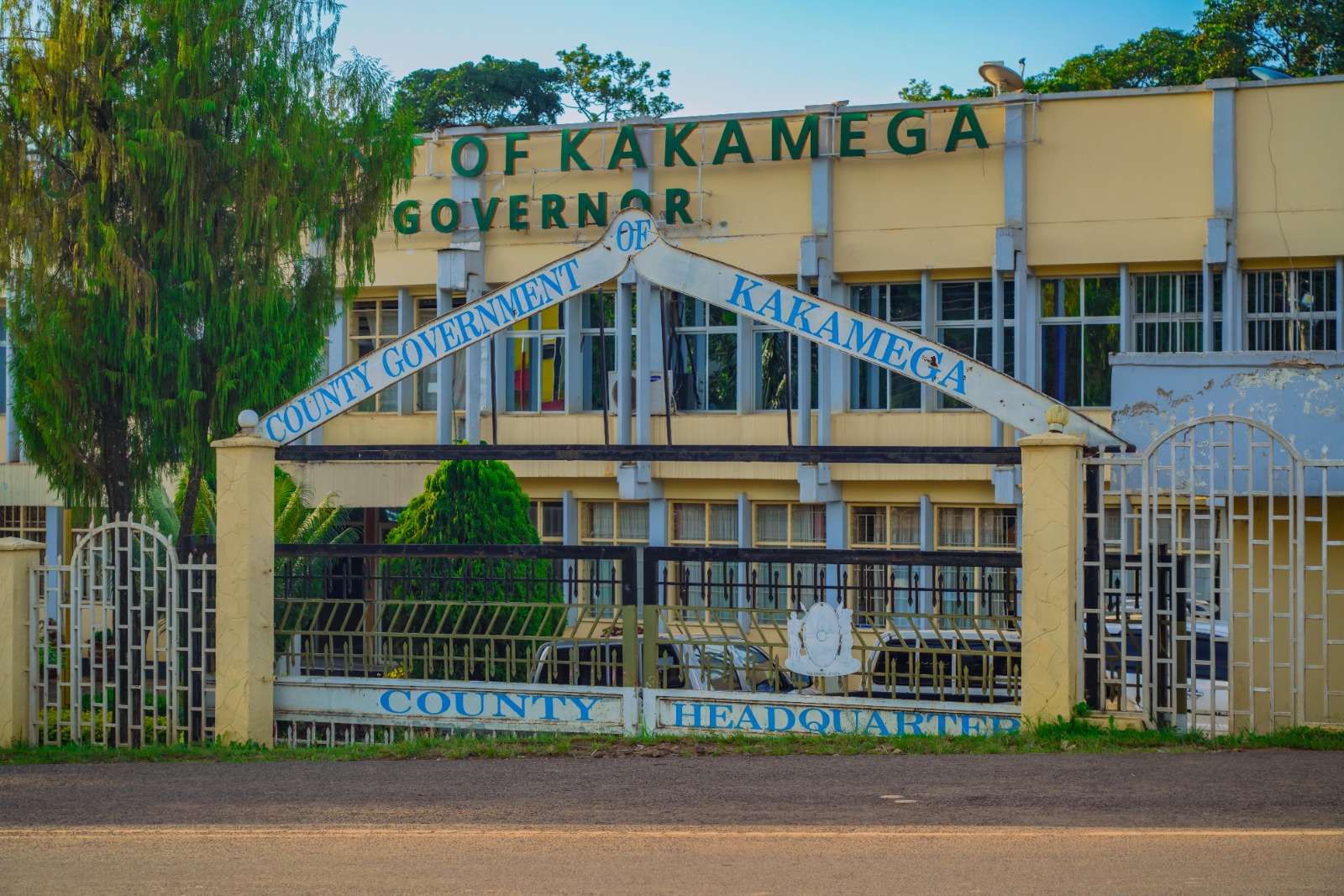
County plans to spend Ksh11.58 billion on recurrent expenditure and only Ksh5.18 billion on development as residents demand completion of stalled projects and greater investment in healthcare, roads, water and agriculture.
By Lynnet Juma, Kakamega
Kakamega County’s proposed Sh16.76 billion budget for the 2026/2027 financial year has ignited heat after the county allocated Sh11.58 billion, over 80 per cent of the entire budget to salaries and wages, leaving only Sh5.18 billion for development projects.
Critics warn the bloated wage bill could undermine investment in roads, healthcare, water and job creation.
The budget, currently before the County Assembly for approval, is anchored on the county’s development agenda and seeks to address growing demands for services in Kenya’s second most populous county.
The Department of Public Service and Administration emerged as the biggest beneficiary, receiving Kshh7.4 billion, representing 44.2 per cent of the entire budget. The bulk of the allocation will cater for salaries, wages and the day-to-day running of county government operations.
Health remains among the county’s top priorities, receiving Sh1.41 billion. The allocation will fund medical supplies, laboratory services, disease surveillance, community health programmes, sanitation initiatives and operations at dispensaries and health centres.
The county has set aside Sh171.9 million for medical drugs, Sh105 million for non-pharmaceutical supplies and Sh128.5 million for implementation of community health strategies. A further Sh127.5 million has been allocated to Community Health Promoters.
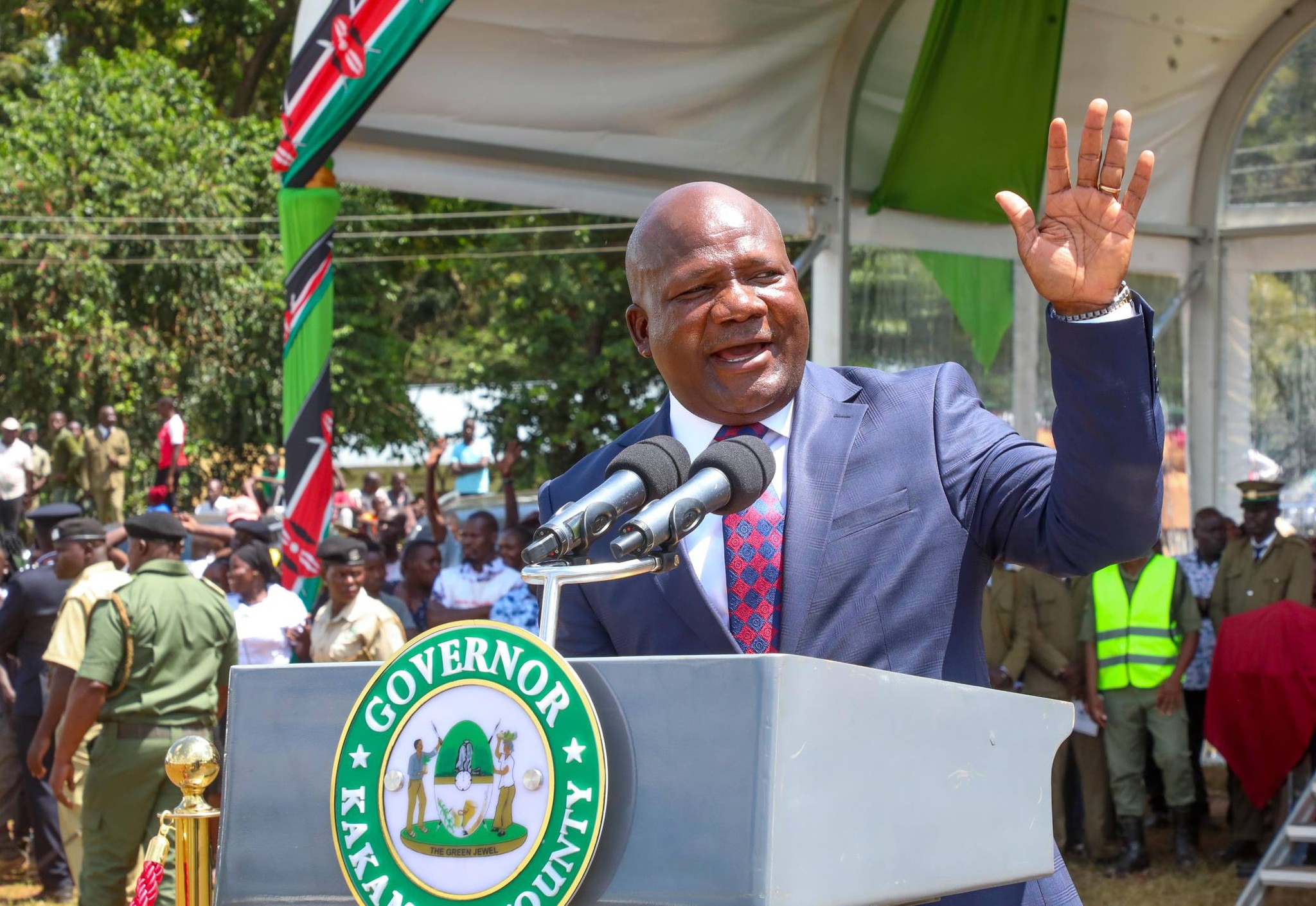
Road infrastructure also received a significant boost, with the Roads, Public Works and Energy Department allocated Sh1.31 billion. County officials say improved road networks will ease transport, enhance market access for farmers and stimulate economic activity.
Agriculture, which remains the backbone of Kakamega’s economy, has been allocated Sh597.4 million. The funds will support crop and livestock production, irrigation, fisheries, cooperative development and agricultural extension services.
Water, Environment and Natural Resources will receive Sh793.2 million to finance water projects, environmental conservation programmes and climate resilience initiatives.
Education has been allocated Sh721.8 million, while the Department of Social Services, Youth and Sports will receive Sh636.4 million. Trade, Industrialisation and Tourism has been allocated Sh376.6 million to support enterprise development and investment promotion.
Revenue projections indicate that the county expects to receive Sh13.24 billion from the equitable share allocation from the national government, Sh2.2 billion from locally generated revenue and Sh1.32 billion from conditional grants and development partners.
As debate on the budget continues, residents have urged the county government to prioritise the completion of stalled projects before embarking on new ones.
Speaking during a public hearing on the proposed budget organised by the County Assembly Budget and Appropriations Committee at the Kakamega Social Hall, residents said delayed projects deny communities the intended economic benefits and waste public resources.
They also called for increased funding to critical sectors including healthcare, infrastructure, agriculture and water.
Gilbert Barasa from Matungu Sub-county urged the county administration to complete ongoing projects before launching fresh initiatives.
“We need to maximise value for public resources by completing projects that have already consumed taxpayers’ money,” he said.
Patrick Amalemba, representing Persons Living with Disabilities (PWDs), called for the full implementation of the Persons with Disabilities Act, 2025, to safeguard the rights and welfare of PWDs.
Budget and Appropriations Committee Chairperson Gildon Shioso assured residents that their views would be incorporated into the committee’s final report before it is tabled in the County Assembly.
He said public participation remains critical in strengthening governance, improving service delivery and ensuring that county budgets reflect citizens’ priorities.
Majority Leader Philip Maina and committee member Eddie Obwaka also defended the public participation process, saying it allows residents to influence county spending decisions.
“This budget proposal reflects the needs of our people as it prioritises completion of ward-based projects for grassroots empowerment,” said Obwaka.
County Director of Budget and Planning Herman Dennis Lusui assured residents that the proposed budget complies with all legal and policy requirements governing public finance management.