



By County Splash Team
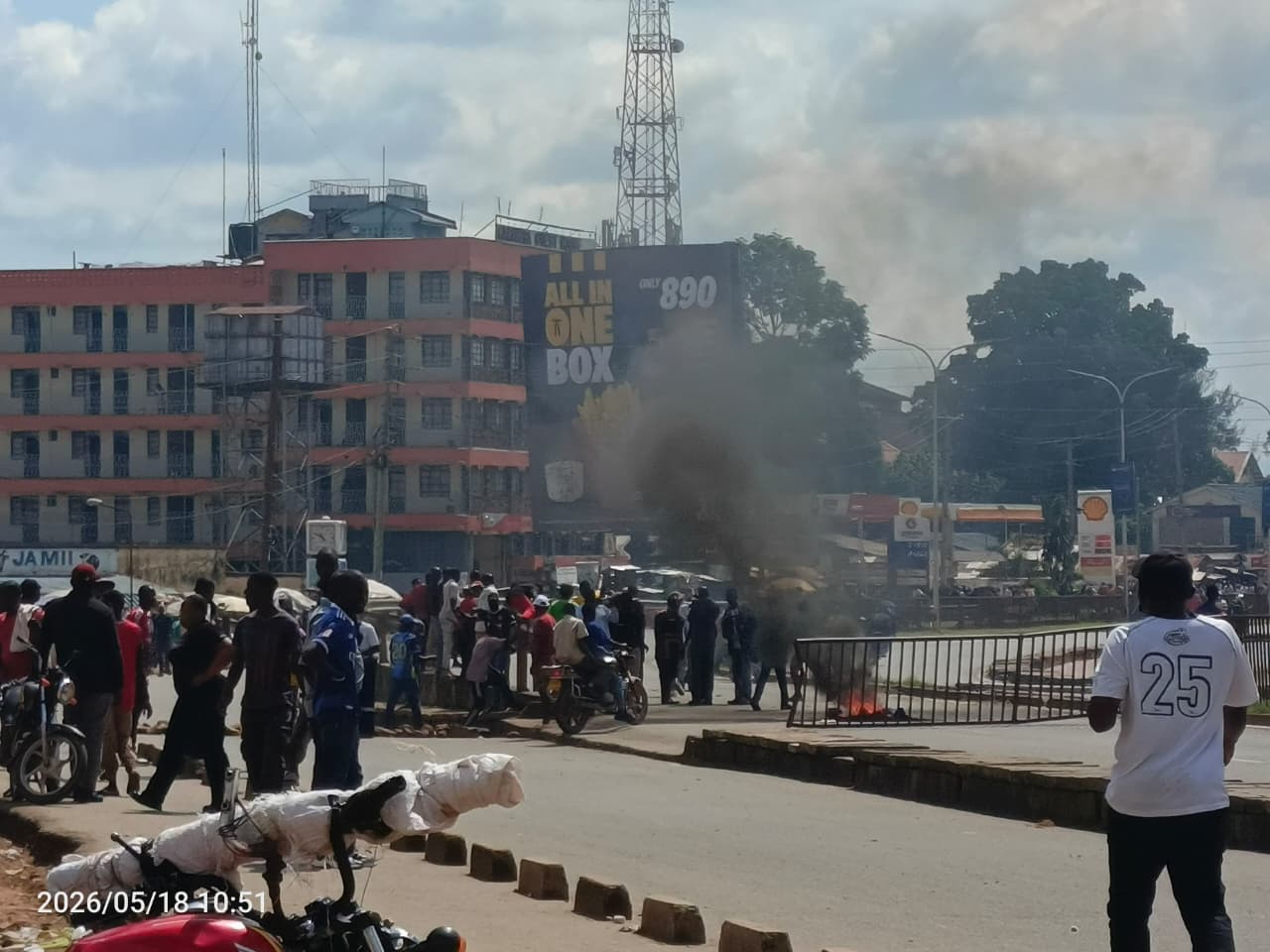
Two people were shot dead in Kakamega town during violent protests over rising fuel prices, as nationwide transport strikes crippled movement across many parts of the country.
Police fired tear gas canisters and live bullets on Monday to disperse protesters who had blocked roads with burning tyres and stones in Kakamega town. Several other people were injured during the clashes, according to witnesses.
Police opened fire on protesters in Kakamega after demonstrations descended into chaos, with groups of youths accused of looting business premises and attacking motorists and boda boda riders found operating on the roads.
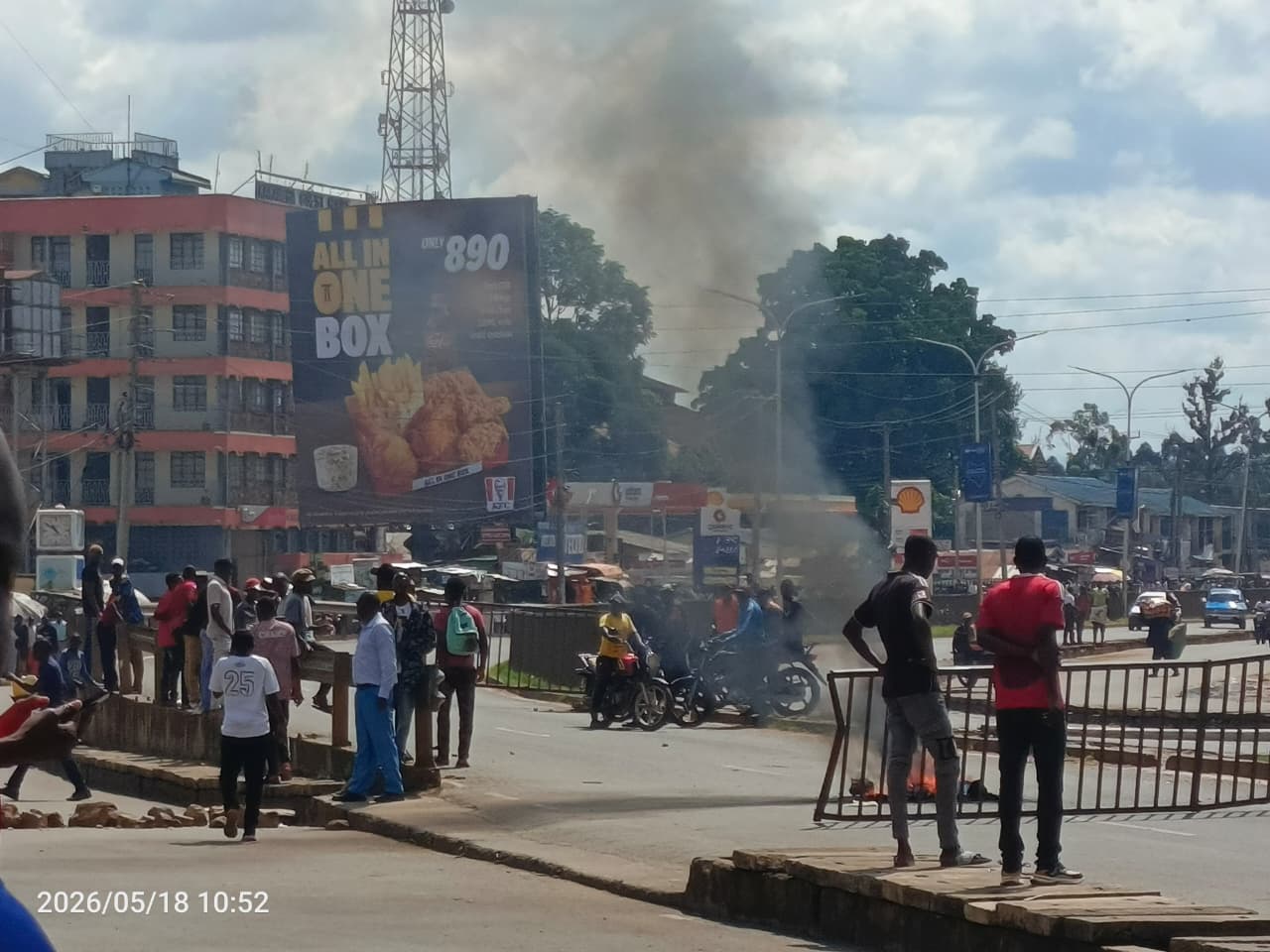
Witnesses said tensions escalated rapidly as angry protesters blocked major roads, forcing businesses to shut down while traders scrambled to protect their property.
“Several motorists abandoned their vehicles as crowds became increasingly aggressive in parts of the town. Police officers then moved in to disperse the demonstrators using tear gas before gunshots rang out, leaving two people dead and others injured as panic spread across the streets of Kakamega,” said an eyewitness who sought anonymity.
The demonstrations are part of a nationwide shutdown led by the Transport Sector Alliance, bringing together matatu operators, boda boda riders, cargo transporters and digital taxi drivers protesting against recent fuel price increases.
Transport services were paralysed across Western and Nyanza regions, including Kakamega, Bungoma, Busia and Kisumu, while disruptions were also reported in Nairobi.
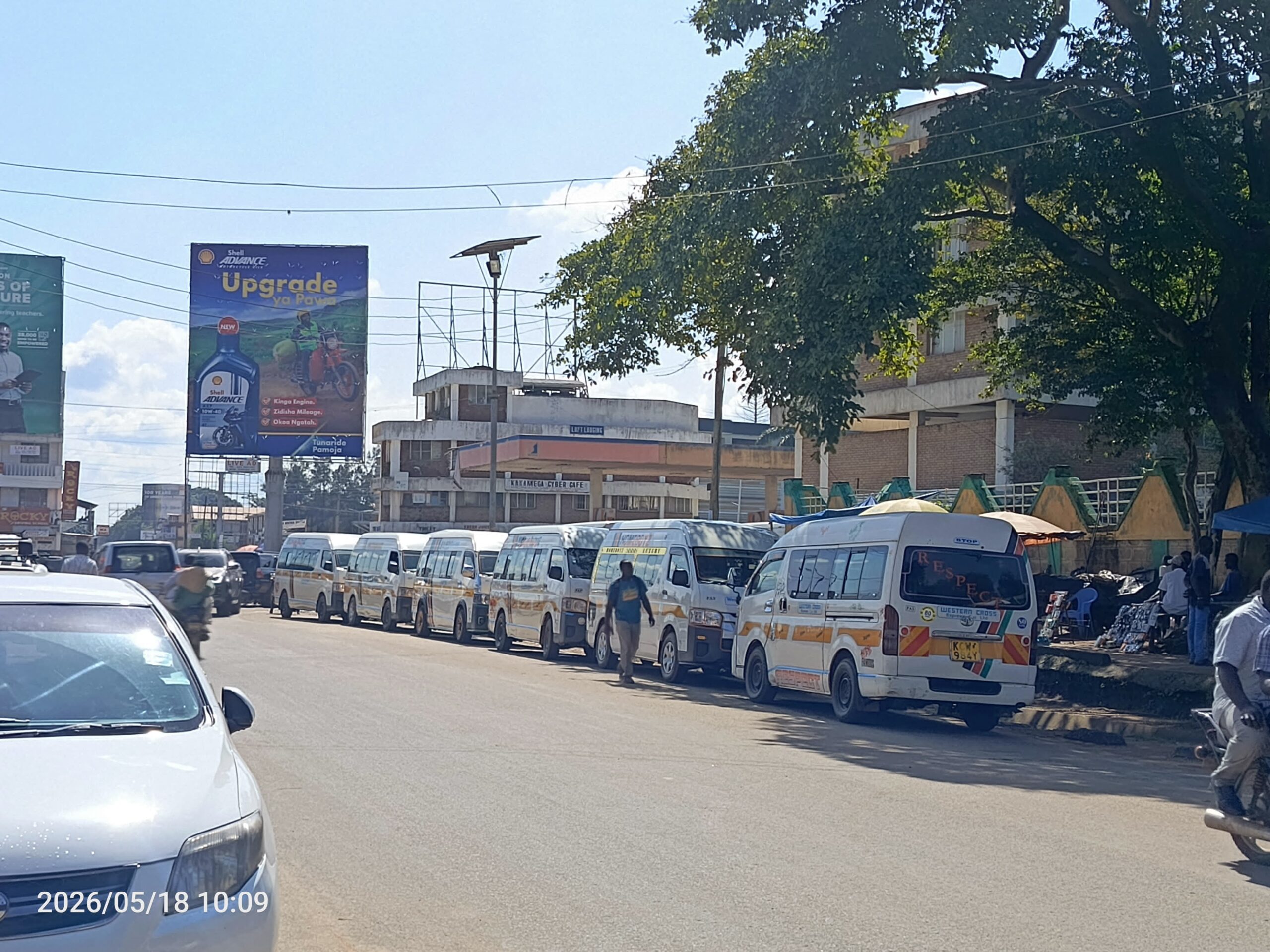
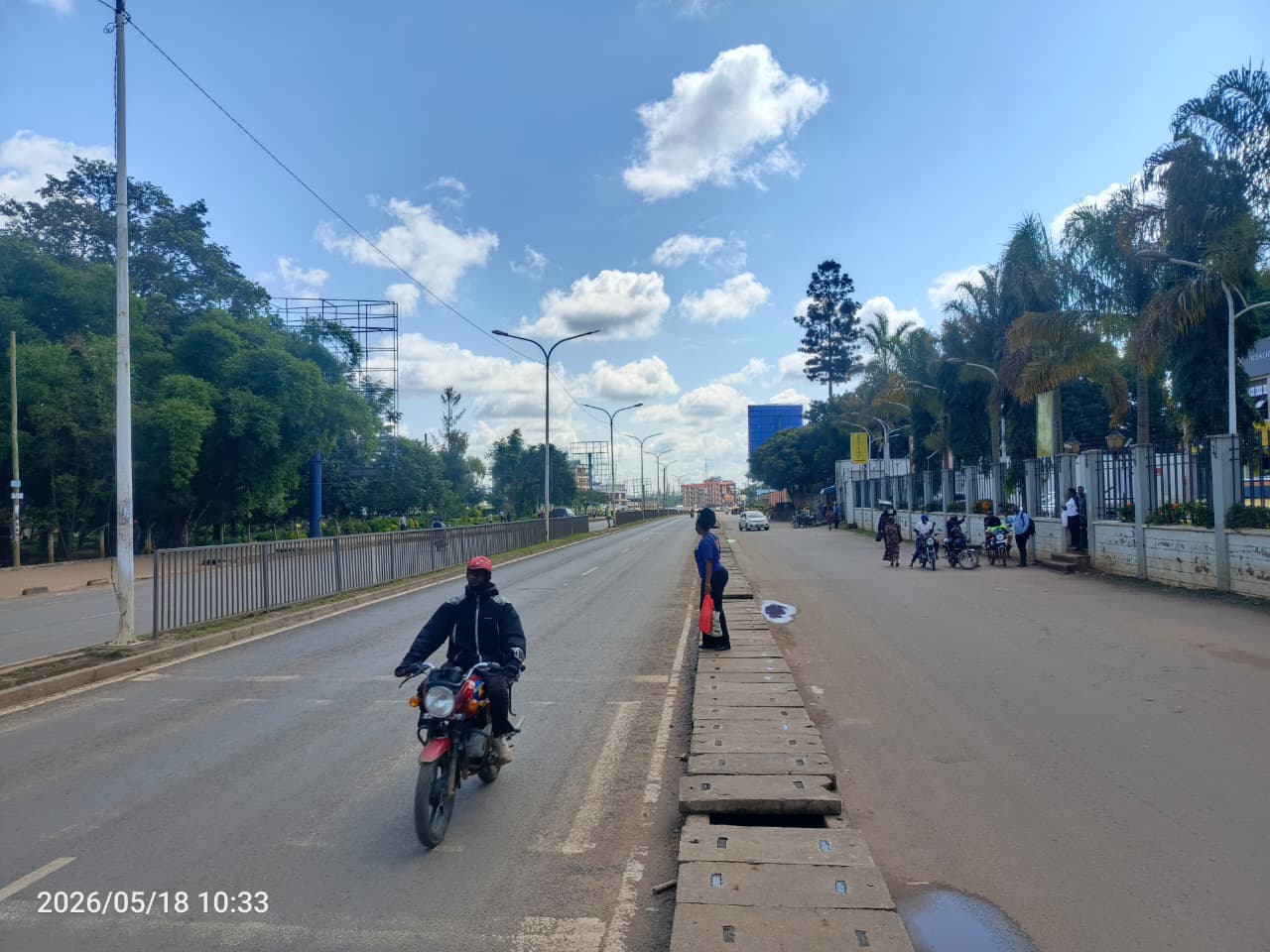
Bus parks remained crowded with stranded passengers as matatus and buses stayed off the roads. Hundreds of commuters were forced to walk to work after operators suspended services in protest.
Businesses closed early in some towns amid fears of escalating violence, while schools in several areas released learners before normal closing hours because of insecurity concerns.
Efforts to obtain a comment from Kakamega Central Sub-County Police Commander Vincent Kiprono on the killings of unarmed protesters and the use of gunfire during the demonstrations were unsuccessful, as he neither answered our calls nor responded to text messages
The protests were triggered by the latest fuel price review announced by the Energy and Petroleum Regulatory Authority (EPRA). Diesel prices reportedly rose by more than 23%, increasing pressure on transport operators and consumers already struggling with high living costs.
For many Kenyans, the crisis is now affecting daily survival.
In Kisumu, small-scale trader Monica Achieng’ says higher matatu fares are reducing the amount of stock she can afford to buy for her business.
“Sometimes I am forced to buy fewer items because transport takes too much money,” she said.
Boda boda rider John Wabwire fears the increase in fuel prices will push food and commodity prices even higher.
“When fuel prices go up, everything else follows,” he said. “Life is already expensive and people are suffering.”
Matatu workers say they are equally trapped by the crisis.
“It pains us to increase fares because passengers blame us for being inhumane, but fuel prices are high and vehicle owners still expect daily targets,” said Steven Ochieng’, a matatu tout in Kisumu.
Reporting by Bradley Nandasaba, Wesley Angote and Caren Owino