



By Caren Owino and Dickson Andati, Kisumu
The succession battle to replace Anyang’ Nyong’o as Kisumu governor in 2027 is rapidly escalating into one of ODM’s most intense internal contests in Luo Nyanza, a high-stakes political showdown drawing in party honchos, wheeler-dealers and restless grassroots supporters who are all pushing for open and cut throat nominations.
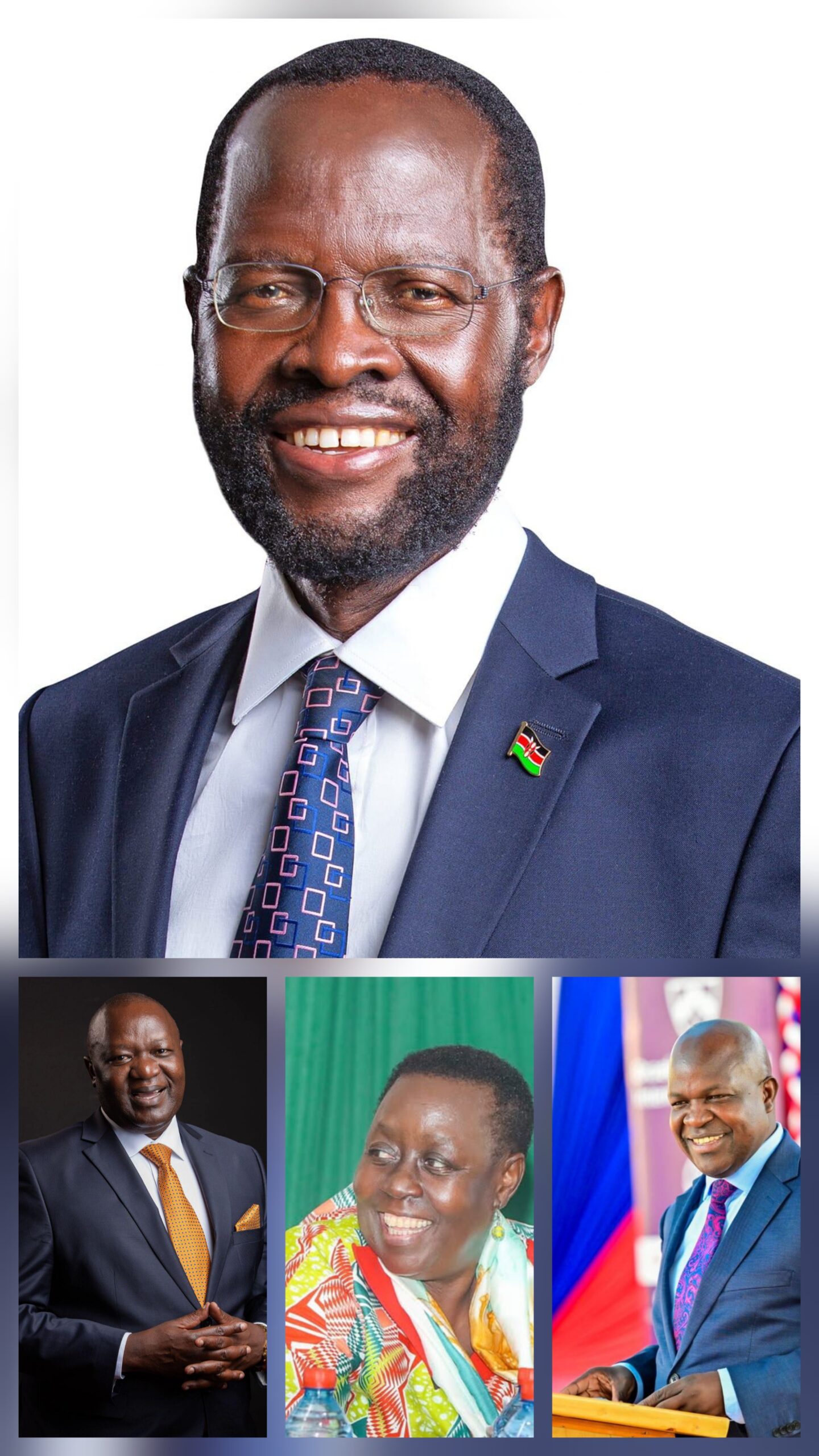
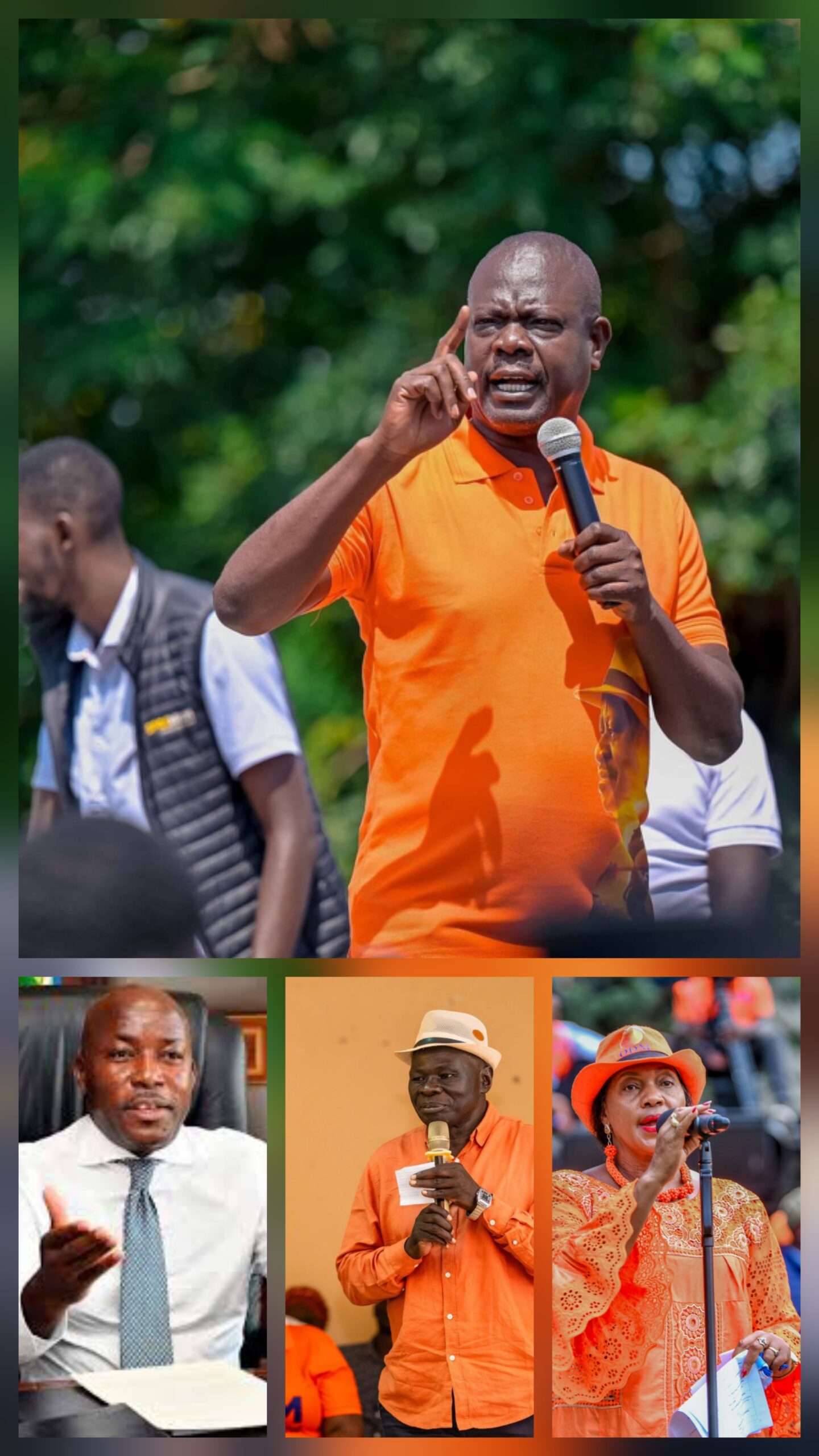
Several senior ODM politicians have already declared or signaled interest in the seat, including Mathews Owili, Tom Ojienda, Aduma Owuor, Joshua Oron, Ruth Odinga and Rosa Buyu.
The crowded field reflects widening succession tensions inside ODM as Nyong’o prepares to leave office after completing his second and final term.
At funerals, in churches, at village football grounds and in crowded fundraisers, the battle to succeed Governor Nyong’o has exploded into a bruising supremacy war threatening to reshape the future of ODM in its traditional Luo Nyanza stronghold.
Convoys snake through dusty trading centres. Youths chant campaign slogans beneath tents meant for mourning. Elders whisper about betrayal, clan arithmetic and money. But behind the public smiles, rival camps are quietly tearing into each other.
And at the centre of the unfolding storm is Deputy Governor Mathews Owili, the once quiet administrator who is now attempting the difficult leap from being a technocrat to a political kingpin.
For years, Dr Owili operated in the shadow of Prof Nyong’o, managing county affairs while the veteran governor dominated Kisumu’s political landscape. But with Nyong’o serving his final term, the deputy governor has emerged aggressively onto the campaign trail, mobilizing ODM ‘political troops’ and traversing the county’s 35 wards in search of political legitimacy.
“The seat of the Governor must be occupied by somebody from Nyakach, and he is none other than Dr Mathews Owili,” he recently declared.
But in Kisumu politics, power is never handed over quietly. And Owili’s rise has triggered fierce resistance from rivals determined to stop him before he consolidates control.
Nyakach MP Aduma Owuor who is also eyeing the governorship seat has publicly challenged the deputy governor’s record in office.
“Owili should tell us what he has done with his position before seeking the governor position,” Aduma said. “We made him who he is and he must account for his work in office.”
The remarks exposed deepening fractures within ODM as the succession battle intensifies.
For many residents, the race is no longer simply about who succeeds Nyong’o. It is becoming a referendum on the future of ODM itself and whether the party can survive without the towering political influence of Raila Odinga dominating Luo Nyanza politics.
For decades, ODM functioned almost like a political religion across the region. An ODM ticket was often enough to guarantee victory. Raila’s endorsement could make or destroy careers overnight. But that old certainty is fading.
Today, Kisumu’s succession race has become crowded, volatile and deeply fragmented.
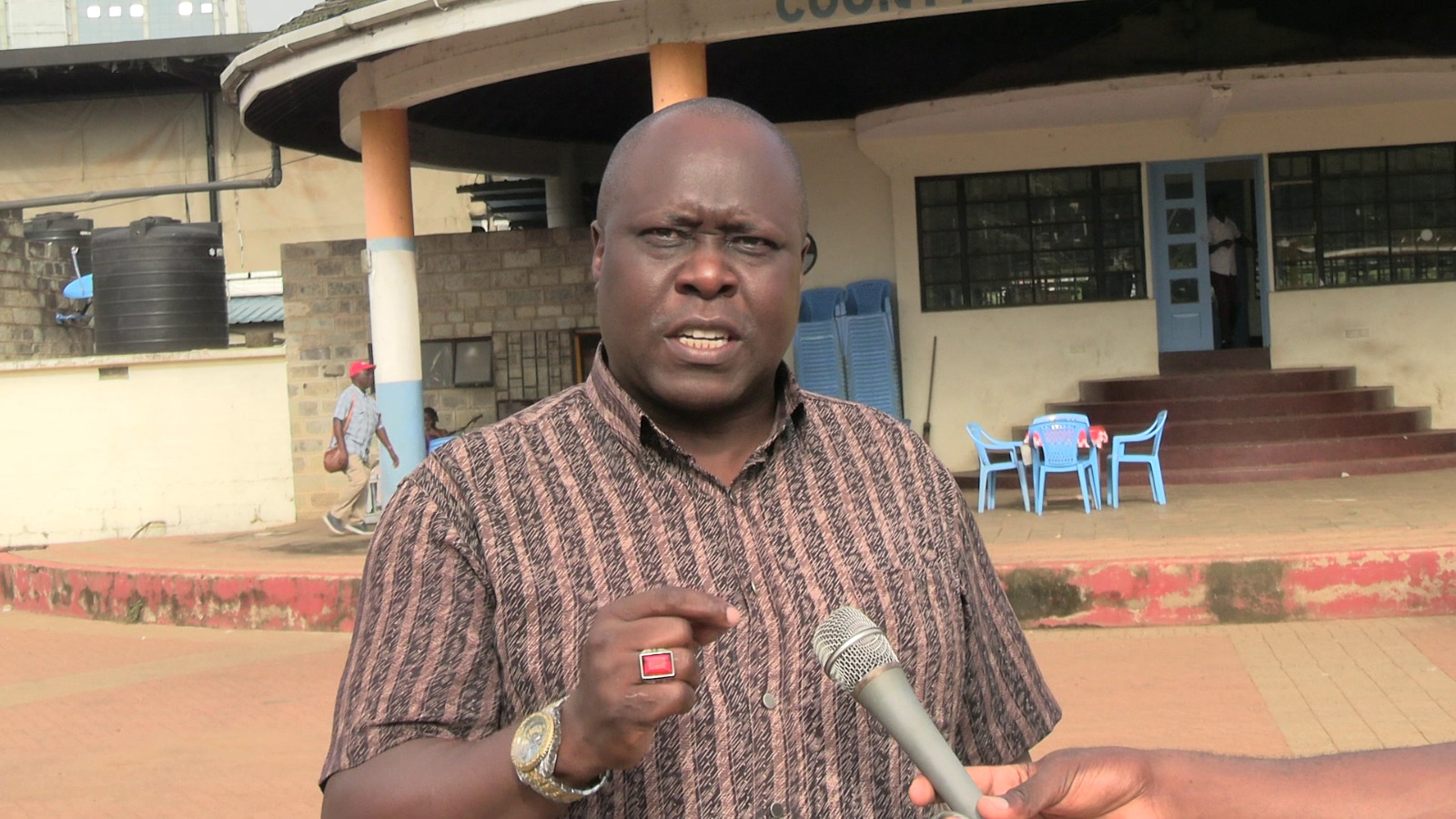
Senator Tom Ojienda has emerged as one of the most visible contenders, pouring resources into grassroots mobilisation through donations, women’s groups, youth meetings and community initiatives.
“If it wasn’t for the things I do with cash from my pocket, I would not be as popular as I am in Kisumu today,” Ojienda said. To Ojienda’s supporters see generosity but for his critics, they see dangerous money politics playing out.
Political analyst Odhiambo Liete warns that Kisumu’s gubernatorial contest is increasingly becoming a battle of financial muscle rather than ideas.
“We are turning Kisumu politics into politics of buying leadership with money,” he said. “Citizens feel good because they receive money and walk away. But after electing such leaders, what guarantee do they have that promises will be fulfilled?”
Liete argues that the scale of spending already visible in the race reflects a deeper crisis within ODM politics.
“The salary of a governor cannot match the amount being spent in campaigns,” he said. “So wananchi must ask themselves how that money will be recovered once somebody gets elected.”
“Joshua Oron is an elder who listens to people,” Liete said. “You do not hear him associated with violence or gangs. Kisumu needs a mature leader focused on the economy, business and how wananchi will benefit.”
Meanwhile, Kisumu Central MP Joshua Oron has built momentum through relentless grassroots visibility, appearing almost daily at funerals, fundraisers and local gatherings across the county.
Recently, elders from 13 Kano clans endorsed his candidature in Nyando, citing his involvement in education, health and water projects.
“I’m the most popular candidate whose leadership values resonate with the people,” Oron said. “I am confident I will win this seat by a landslide.”
To his supporters, Oron represents a calmer and more grounded alternative in an increasingly toxic political climate.
“Joshua Oron is an elder who listens to people,” Liete said. “You do not hear him associated with violence or gangs. Kisumu needs a mature leader focused on the economy, business and how wananchi will benefit.”
The contest has also drawn in Ruth Odinga, whose political influence and family name continue to command loyalty across sections of Luo Nyanza.
Ruth has repeatedly warned leaders against abandoning service delivery for premature campaigns.
“Before anyone can seek a higher office, they must first deliver fully on the mandate they have been given,” she said.
But behind the scenes, ODM insiders acknowledge that her political calculations could still shape alliances and endorsements within the party.
Former Kisumu Central MP Ken Obura has meanwhile chosen a more confrontational path, rejecting ODM entirely and declaring his intention to run as an independent candidate.
“Party nominations often disadvantage popular candidates,” Obura said. “My candidature will be people-driven, not party-sponsored.”
Obura has accused Nyong’o’s administration of poor governance and promised “a consultative leadership” focused on responsive policies and accountability.
Clan politics is also quietly shaping the battle. Nyakach leaders insist it is their turn to produce the next governor. Kano elders are rallying behind Oron. Other regions within Kisumu are carefully calculating how power should rotate after Nyong’o leaves office.
His candidacy reflects growing frustration among politicians who believe ODM nominations have historically been manipulated through favouritism and internal deals.
Now, grassroots leaders inside the party are demanding open and competitive nominations, warning that attempts to impose a preferred successor could trigger rebellion and weaken ODM’s dominance in Kisumu.
The fears are real. ODM’s once iron clad authority across Luo Nyanza is beginning to crack under the weight of internal rivalries, generational shifts and voter frustration over unemployment, inequality and stalled development.
Clan politics is also quietly shaping the battle. Nyakach leaders insist it is their turn to produce the next governor. Kano elders are rallying behind Oron. Other regions within Kisumu are carefully calculating how power should rotate after Nyong’o leaves office.
Money is flowing heavily into funerals, women’s groups, youth tournaments and church events as aspirants scramble to build loyalty early.
And beneath it all lies the unresolved question haunting ODM.
Without Raila’s direct political dominance, who now controls Luo Nyanza politics?
Before stepping back from active regional mobilisation, Raila had hinted at possible consensus talks among aspirants to preserve party unity.
“Eventually, we can only have one ODM candidate for governor,” he once said before passing away. “I plan to meet all the aspirants and agree on who should carry our banner.”
But many residents now believe the era of political kingmakers is slowly ending.
“At this moment, ODM as we knew it no longer exists,” Liete said “When Baba was there, he was the pillar holding ODM together. Candidates people disliked could still win if he endorsed them. But now wananchi have opened up politically. People want development and leadership.”
He compares ODM’s current transition to the decline of KANU after former President Daniel arap Moi lost political control.
“The system that guaranteed ODM dominance is gone,” he said. “By 2027, ODM will simply become like any other ordinary political party.”
But for now, one reality is undeniable. Kisumu’s succession war has already begun, fierce, personal and unpredictable.
And by the time voters finally cast their ballots in 2027, the battle may determine not only who governs Kisumu, but whether ODM can still command the unquestioned loyalty it once enjoyed across Luo Nyanza.