



By Faith Anene, Kakamega
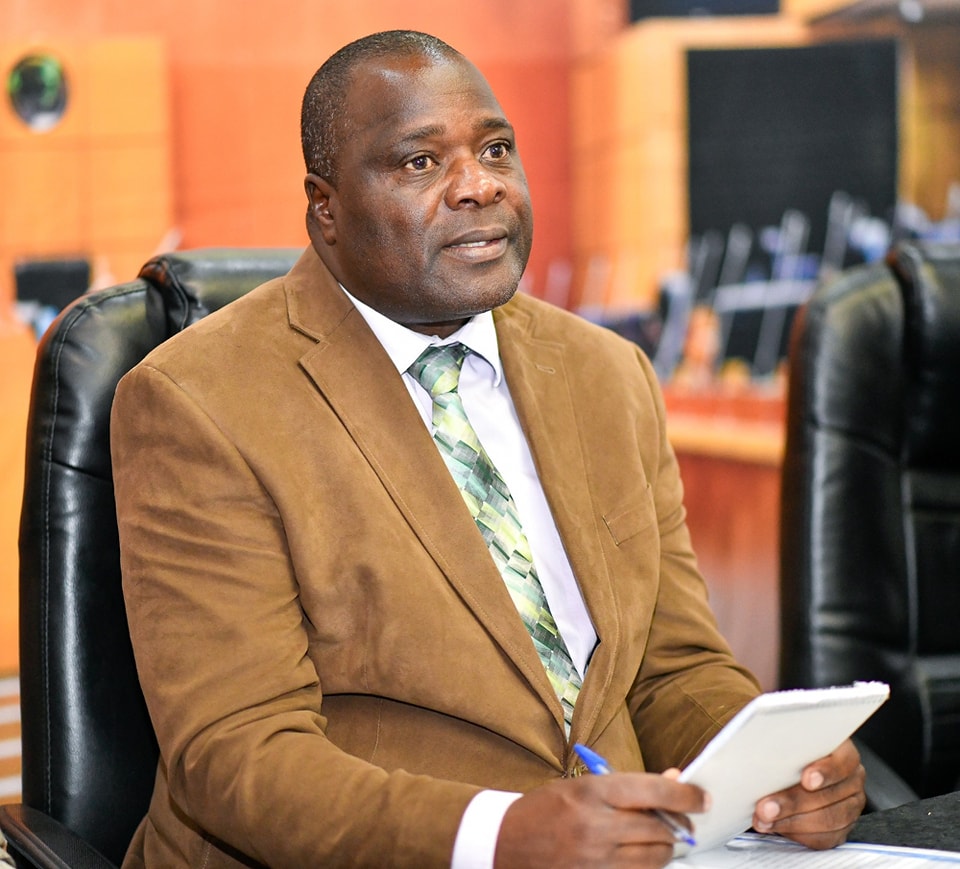
Lurambi MP Bishop Titus Khamala has announced plans to introduce a Bill in Parliament seeking to abolish boarding schools, arguing that the institutions have become increasingly difficult to manage due to rising cases of student indiscipline and unrest across the country.
The legislator said the proposal is aimed at addressing re-curing unrest in schools, which in recent years have resulted in destruction of property, disruption of learning programmes and closure of some institutions.
Speaking at St Andrew’s Kagwa Primary School in Eshisiru during the commissioning of an eight-classroom storey building and the issuance of Sh65 million bursaries to students from the constituency, Khamala said the government should reconsider the role of boarding schools in Kenya’s education system.
“The time has come for the Ministry of Education to re-examine the existence of boarding schools. I will be tabling a Bill in Parliament seeking their abolition as one way of addressing the growing cases of indiscipline among learners,” he said.
Khamala blamed parents for what he termed a failure to play their role in the upbringing and discipline of children, saying schools have increasingly been left to shoulder responsibilities that belong to families.
His remarks come against the backdrop of recurring school unrest that has plagued learning institutions over the years. Kenya has witnessed waves of student strikes, dormitory fires and destruction of school property, including the widespread unrest of 2008 and the 2021 spate of school fires that affected dozens of secondary schools across the country.
Education stakeholders have linked the disturbances to a combination of factors, including exam pressure, drug abuse, poor communication between students and school administrations, mental health challenges and changing social dynamics among learners.
The issue has remained a major concern for the Ministry of Education, prompting successive administrations to introduce various interventions aimed at improving discipline and student welfare.
The debate on school management has also gained prominence following recent changes at Jogoo House, where former Basic Education Principal Secretary Belio Kipsang Bitok was transferred from the State Department for Basic Education. The reshuffle came amid mounting concerns over challenges facing the education sector, including funding constraints, implementation of the Competency-Based Curriculum (CBC) and recurring cases of unrest in schools.
Khamala also faulted the Ministry of Education over delays in the release of capitation funds, saying the situation has left school heads struggling to manage institutions and meet operational costs.
The MP said inadequate and delayed funding continues to hamper effective administration of schools, exposing principals and head teachers to unnecessary challenges.
“Schools cannot operate effectively when capitation funds are delayed. Principals are forced to make difficult decisions yet they are expected to maintain high standards of learning and discipline,” he said.
At the same time, Khamala pledged to release constituency bursary funds early next year to ensure students remain in school without disruptions, particularly during the electioneering period.
He said investing in education remains a priority for the constituency and urged learners to remain focused on their studies despite the challenges facing the sector.
The proposal to abolish boarding schools is likely to spark national debate, with supporters arguing it could strengthen parental involvement in children’s upbringing, while critics may question its practicality given the role boarding institutions play in providing access to education for learners from remote and underserved areas.