



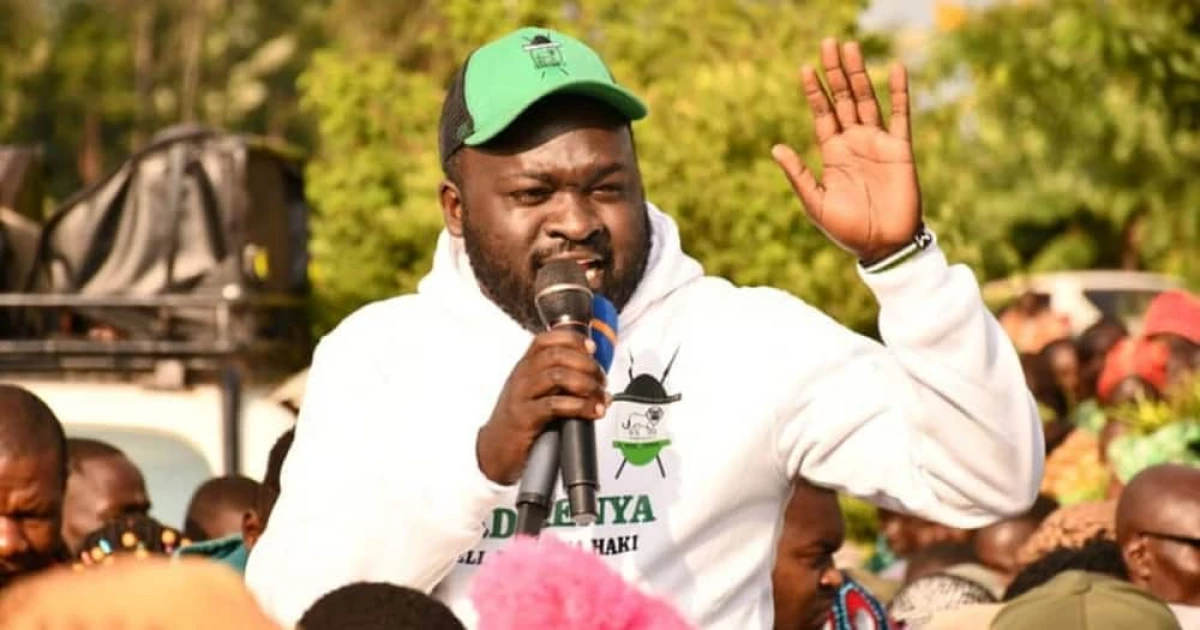
By Nelson Musungu, Bungoma
For 72-year-old Maria Namalwa from Kimilili, cataracts had reduced life to shadows. She could no longer work in her garden or see the faces of her grandchildren. Last week, she walked out of Bungoma County Referral Hospital with her vision restored – and without paying a shilling.
Maria was one of more than 300 residents who benefited from free cataract surgeries organised by Bungoma Senator David Wafula Wakoli in partnership with Lions SightFirst Eye Hospital. The operations, which would have cost families about KSh 24 million ($186,000) in private hospitals, were offered free of charge. Cataract surgery in Kenya can cost up to KSh 80,000 per eye, a price far beyond the reach of most rural households.
“This initiative has given people back their sight and their dignity,” Senator Wakoli said, promising to expand such medical camps to more underserved communities.
Patients from across Bungoma described the life-changing impact. In Matisi, 65-year-old Peter Wanyonyi said: “I thought I would die blind, but now I can farm again.” Rose Nabwire from Mateka added: “For years my daughter had to lead me everywhere. Now I can walk on my own.”
In Malakisi, 70-year-old John Barasa said he could finally return to his shop and provide for his family. From Chepyuk in Mt Elgon, mother of three Lydia Cheptoo said: “I will now see my children grow.” Retired teacher Samuel Khakasa in Tongaren told the BBC: “I had given up reading, but now I can read my Bible again.”
Globally, cataracts remain the leading cause of avoidable blindness, affecting more than two billion people. In East Africa, they account for nearly half of all blindness cases. In rural Kenya, demand for surgery is high, but facilities are overstretched and costs prohibitive.
Senator Wakoli’s influence, however, extends beyond health. In the Senate, he chairs the Agriculture, Blue Economy and Livestock Committee, where he has championed reforms in sugar and coffee. He was instrumental in the passage of the Sugar Bill to revive the struggling sugar industry and the Coffee Bill to protect smallholder farmers.
On the ground, his office has coordinated the distribution of 24,000 coffee seedlings to farmers in Bungoma, part of efforts to revive production and align with reforms passed in Parliament. Farmers who had abandoned coffee are now replanting, encouraged by prospects of fairer returns.
Wakoli has also established himself as a vocal critic of county spending. He recently questioned Bungoma’s expenditure of KSh 148 million on Madaraka Day celebrations, including reports that KSh 25 million went on flowers, while hospitals struggled with drug shortages. “This county cannot justify millions on flowers while patients go without medicine,” he told the Senate.
He has further pressed for youth access to public contracts, raised alarms about land grabbing in Bungoma, and challenged governance in state corporations over unaccounted losses.