



By Nelson Musungu,Bungoma
A 2025 report by Youth Alive Kenya (YAK) in partnership with Oxfam in Kenya, funded by Global Affairs Canada (GAC), has revealed the heavy toll unpaid care work continues to exact on women and girls across the country.
The report dubbed “Assessment of Time and Labour-Saving Infrastructure (TLSI) in Reducing and Redistributing Care Work in Kenya” presents findings from Nairobi, Kiambu, Mombasa and Nakuru counties, outlining how better infrastructure could help reduce and redistribute care responsibilities.
Tasks such as fetching water, cooking, cleaning, and supporting children, older persons or people with disabilities remain largely invisible and unrecognised in Kenya’s economy.
Women, particularly those in urban informal settlements, bear the greatest burden. While there has been some progress in expanding access to water and energy, the report notes that TLSI remains scarce due to high costs, poor infrastructure, and limited awareness.
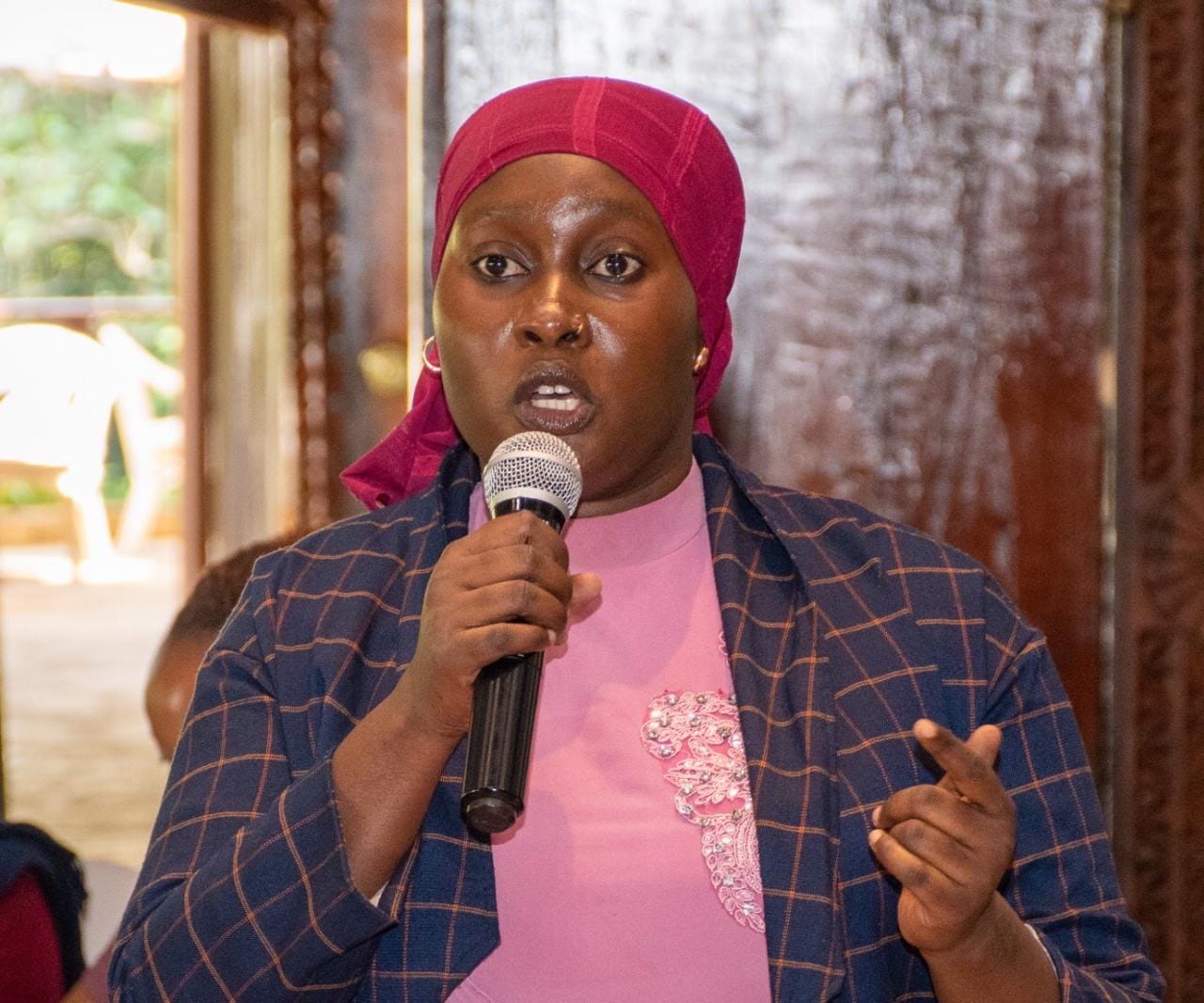
Rahma Issa, programmes officer for Social Well-being and Gender Equity at YAK, said the report goes beyond statistics.
“It shines a light on care work, a vital yet invisible contribution that is undervalued and disproportionately carried by women. Guided by the 5Rs (Recognise, Reduce, Redistribute, Reward and Represent), the report offers practical, community-driven solutions: recognising care work’s immense value to our economy, reducing the time and effort through better services, redistributing responsibilities fairly, rewarding care with fair wages and decent conditions, and representing caregivers in decisions that shape infrastructure,” she said.
The research captures stark contrasts: in rural Nakuru, households still depend on firewood and unpiped water, while in Mombasa, unreliable public supply forces families to buy from private vendors.
Even in relatively well-serviced counties such as Nairobi and Kiambu, the high cost of appliances like washing machines, clean cook stoves and refrigerators makes them out of reach for most low-income households.
Domestic workers who are key to the care economy often work under informal arrangements, lacking both training and trust to operate modern appliances. This entrenches a cycle of manual labour that limits women’s opportunities for education, paid work, and community participation.
The report identifies persistent barriers, including the high cost of appliances and care-related services, inadequate public investment in water and energy, limited understanding of TLSI benefits, and the absence of coordinated national policy or tax incentives for care-supportive technologies.
Private sector involvement is also low, with only five of 44 relevant institutions participating in the assessment.
To bridge the gap, the report urges government to integrate TLSI into national and county development plans, offer tax exemptions and import duty relief for relevant technologies, and support community-driven financing models to boost affordability.
It also calls for training and public awareness programmes targeting employers, care workers and service providers, alongside better gender-disaggregated data to guide investment and track progress.