



By Aines Wangila in Cape Town, South Africa
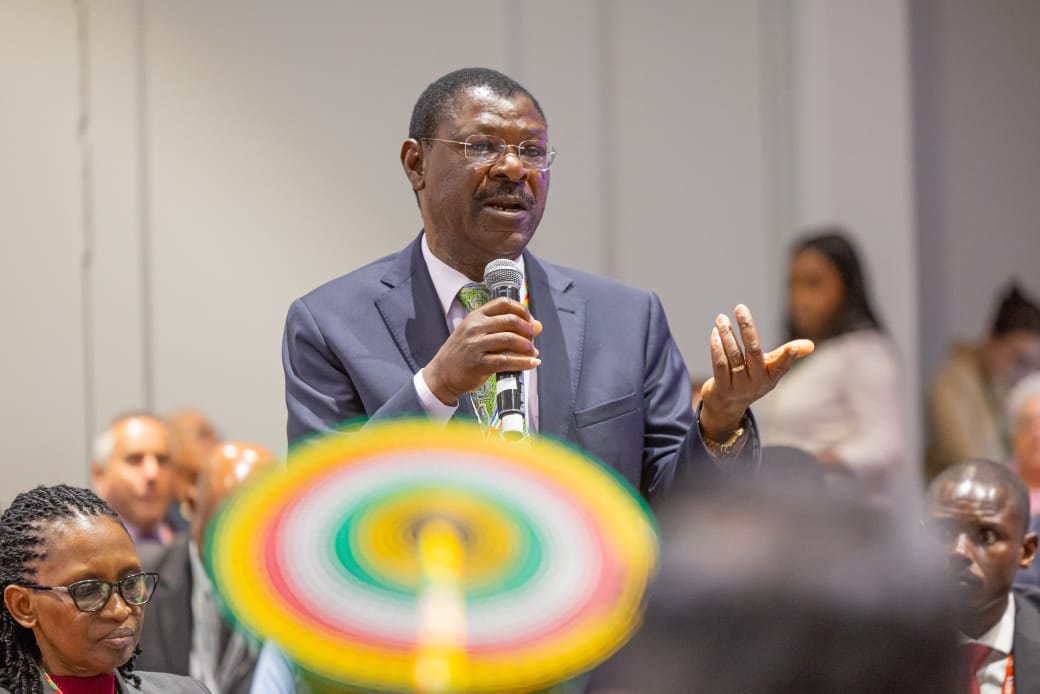
National Assembly Speaker Moses Wetang’ula has called for greater accountability from major greenhouse-gas emitters and urged developed countries to honour their commitments to support developing nations in addressing the effects of climate change.
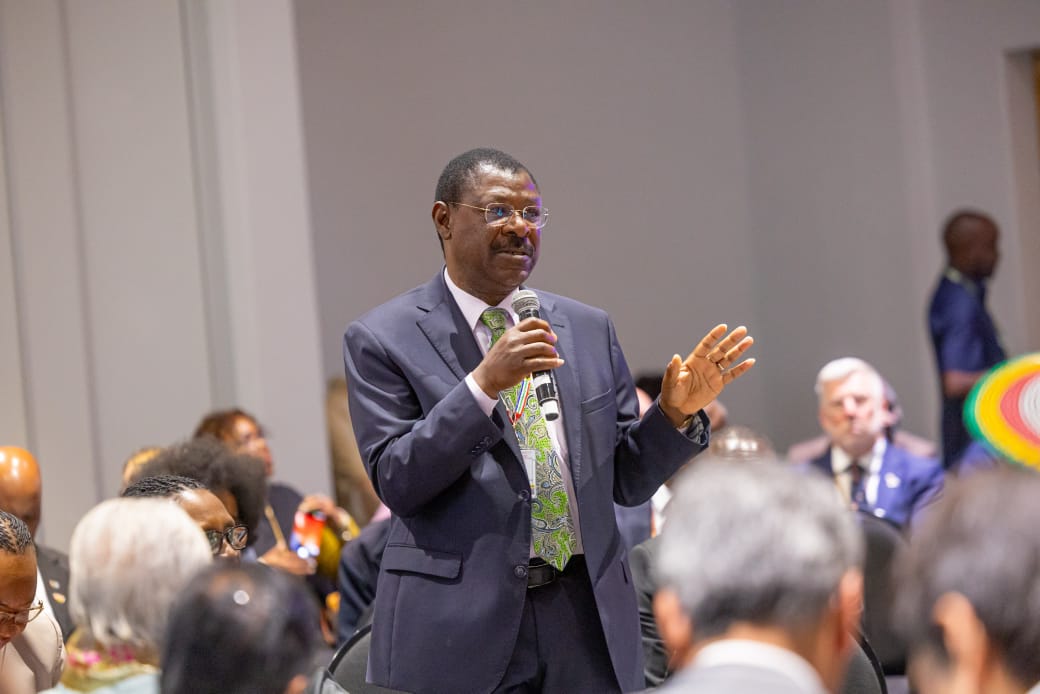
Speaking during a session on Parliamentary Leadership in Promoting Climate Adaptation and Resilience at the 69th Commonwealth Parliamentary Conference in Cape Town, South Africa, Wetang’ula said countries that have contributed relatively little to global emissions continue to bear a disproportionate share of the social and economic consequences of climate change.
The 69th Commonwealth Parliamentary Conference is being held in Cape Town from September 13 to 18, 2026, with climate adaptation and resilience among the issues being discussed by parliamentarians from across the Commonwealth.
Wetang’ula said the international community must strengthen implementation of existing multilateral climate commitments, arguing that vulnerable developing countries require greater financial and technical support to adapt to increasingly severe climate impacts.
“The Paris Agreement, adopted in December 2015 as a legally binding international treaty on climate change, requires major environmental offenders to take responsibility for meeting their commitments,” he said.
However, under Article 9 of the Paris Agreement, developed countries are specifically required to provide financial resources to assist developing countries with mitigation and adaptation, while developed countries are expected to continue taking the lead in mobilising climate finance. The agreement therefore provides a formal basis for Wetang’ula’s call for increased international support for developing countries.
The scale of the adaptation challenge is substantial. The Commonwealth Parliamentary Association estimates that developing countries will require between US$310 billion and US$365 billion annually by 2035 to meet their climate-adaptation needs.
Wetang’ula said many Commonwealth countries, particularly those with relatively low contributions to global greenhouse-gas emissions, are already experiencing extreme weather events, food insecurity, damage to infrastructure and economic losses associated with climate change.
According to the World Bank, Kenya accounts for less than 0.1 per cent of global greenhouse-gas emissions, yet the country is highly vulnerable to climate shocks. The Bank estimates that, without adequate adaptation measures, climate change could reduce Kenya’s GDP by as much as 7 per cent from the baseline by 2050.
The economic impact is already being felt. The International Monetary Fund estimates that climate change costs Kenya approximately 2 to 2.4 per cent of GDP every year. Droughts alone are estimated to cost about 8 per cent of GDP every five years, while floods cost approximately 5.5 per cent of GDP every seven years.
The historical cost of extreme weather has also been substantial. The IMF estimates that Kenya’s severe 2008–2011 drought affected approximately 3.7 million people, caused an estimated US$12.1 billion in damages and losses, and generated more than US$1.7 billion in recovery and reconstruction needs.
More recent climate observations indicate that the risks remain significant.
Kenya’s State of the Climate Report 2025, published by the Kenya Meteorological Department in March 2026, reports that the country’s average temperature has increased by approximately 0.88°C since 1960. The report also highlights increasingly unpredictable rainfall patterns and the continued occurrence of extreme weather events, including floods and heatwaves.
According to the report, such events have contributed to displacement, damage to infrastructure, agricultural losses, disease outbreaks and disruption of livelihoods and economic activities.
Wetang’ula said these realities demonstrate the need for stronger international cooperation and greater accountability in implementing climate commitments.
He also criticised attempts by some major emitters to dismiss climate initiatives as a “hoax”, saying such positions risk undermining international efforts to address the increasingly documented impacts of climate change.
“I challenge the Commonwealth to engineer a return to a multilateral approach to deal with the effects of climate change,” he said.
The Speaker observed that many countries have already enacted climate-change laws, policies and adaptation frameworks but continue to face consequences from climate-related hazards that transcend national borders.
“Climate change is no longer an issue for endless debate, thus, the need for greater accountability and concerted action by governments, legislators and other stakeholders to strengthen mitigation and adaptation efforts,” he said.
He called for governments, parliaments, international institutions and other stakeholders to strengthen climate governance while ensuring that vulnerable communities receive the resources required to adapt.
Homa Bay Senator Moses Kajwang’, who was among the panelists, highlighted Kenya’s investments in climate adaptation, including climate-smart agriculture, small-scale irrigation and the solarisation of agricultural value chains.
“Kenya has invested in smart agriculture, small-scale irrigation and the solarisation of value chains as climate adaptation initiatives, which have had a positive impact on local communities,” he said.
Kenya’s existing adaptation programmes include drought-tolerant crops, improved irrigation, water harvesting, climate-smart agriculture, early-warning systems and solar-powered water pumping.
The National Irrigation Authority has also implemented water-security and climate-adaptation interventions involving water pans, drip irrigation systems, greenhouses, storage facilities and pumping equipment as part of efforts to strengthen resilience in vulnerable areas.
Kajwang’ further challenged the Executive to submit climate-change action plans to Parliament within the required timelines to enable legislators to scrutinise and provide effective oversight of government preparedness and response to climate-related risks.
Kenya’s National Climate Change Action Plan 2023–2027 identifies food and nutrition security, water and the blue economy, disaster-risk management, agriculture, irrigation, forestry, health, energy and transport among priority areas for climate action.
The discussion in Cape Town therefore comes as countries face the twin challenge of reducing greenhouse-gas emissions while investing in adaptation measures to protect communities already experiencing the effects of a changing climate.
For Kenya, the figures underscore the challenge: the country contributes less than 0.1 per cent of global greenhouse-gas emissions, yet climate change is estimated to cost the economy 2–2.4 per cent of GDP annually.
Wetang’ula said the figures should strengthen, rather than weaken, the case for international cooperation, climate finance and collective action.
He urged Commonwealth parliamentarians to use their legislative and oversight powers to push for stronger implementation of climate commitments and ensure that climate adaptation remains a priority in national development planning.