



By Faith Anene, Kakamega
Kakamega elders have urged residents to reject unverified videos and social-media claims being used in political battles, warning that manipulated or decontextualized material could inflame tensions and damage reputations.
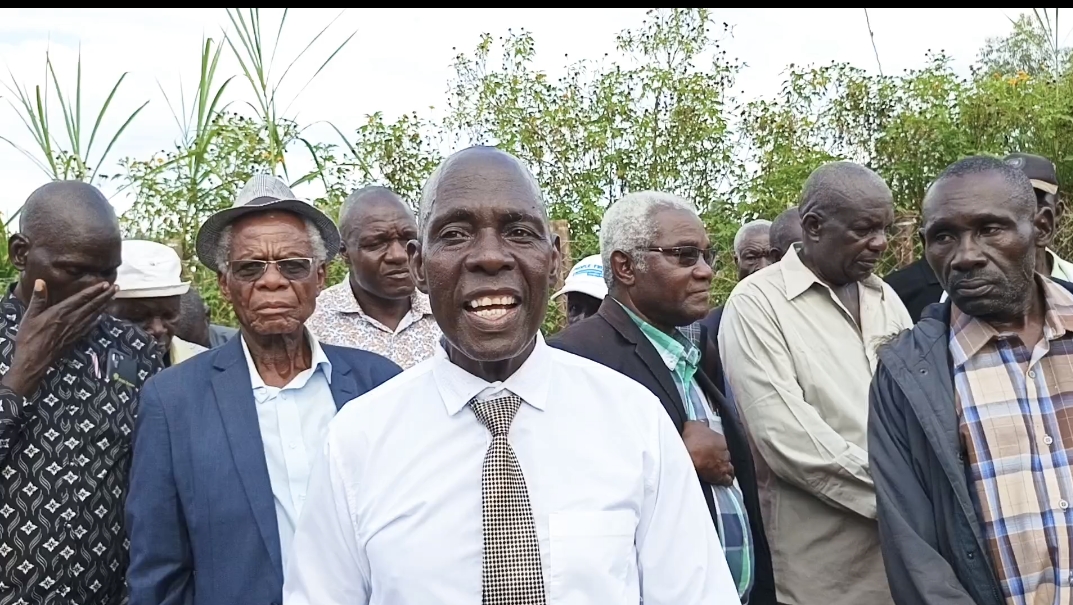
The elders, led by Samuel Asumwa and Elijah Chitayi, defended Governor Fernandes Barasa against claims circulating online that videos linked to his political activities before the 2022 General Election show him seeking the services of a traditional medicine practitioner for political advantage.
They said the footage had been taken out of context and did not, on its own, establish the allegations being made against the Governor.
“We must be careful about what we consume and what we share,” said Chitayi, urging residents to establish the authenticity and context of material before forwarding or publishing it.
The intervention comes amid increasingly bitter political exchanges between Barasa and former Kakamega Senator Cleophas Malala, whose rivalry has increasingly spilled onto social-media platforms.
The elders said the controversy should not be reduced to a contest between rival political camps, arguing that it raises broader questions about responsible political communication and the danger of allowing unverified material to shape public opinion.
They cautioned that political disagreements should not become an excuse for circulating allegations whose authenticity has not been independently established.
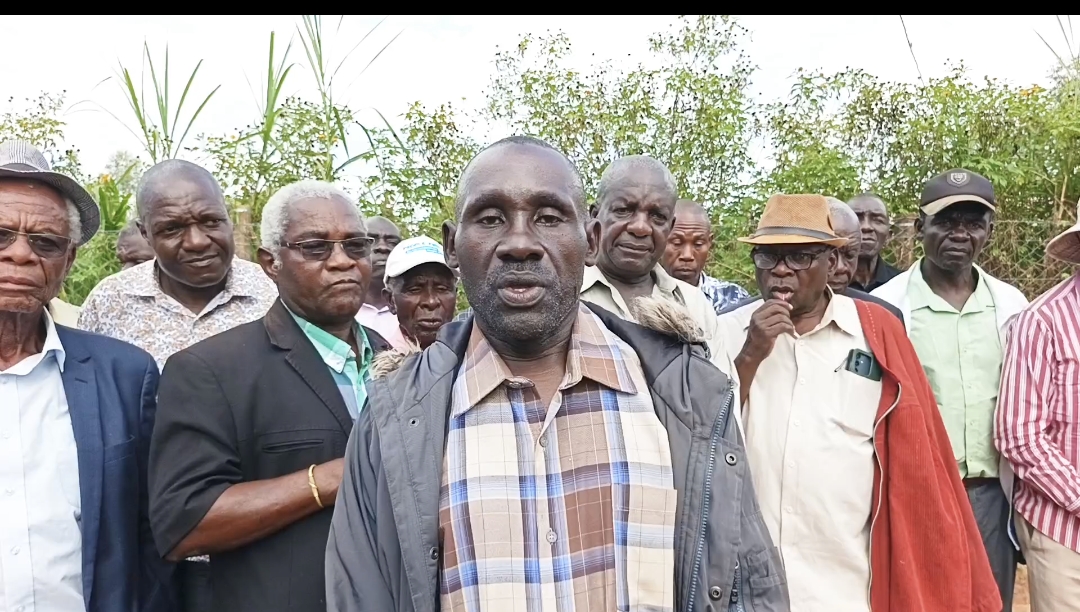
According to the elders, residents should establish when, where and why footage was recorded before drawing conclusions from short clips circulating on WhatsApp, TikTok, Facebook and X.
“A video can show an event without explaining it. A photograph can capture a moment without revealing what happened before or after,” they said, warning against captions and commentary that could impose meanings not supported by the original material.
The elders said their intervention was not intended to shield Barasa from scrutiny.
“All we are asking is for the politicians to criticise each other in a sober manner with facts,” said Asumwa.
They maintained that the Governor, like any other public official, should remain accountable to residents over his leadership, decisions and development record.
However, they said legitimate scrutiny should be distinguished from allegations based on material that has not been verified.
The elders, drawn from across Kakamega’s 12 sub-counties, urged politicians and their supporters to focus on policies, development records and competing visions for the county instead of personal attacks.
They warned that as political activity intensifies ahead of the next electoral cycle, old photographs, videos and statements could be retrieved, repackaged and deployed against political opponents.
The speed at which social-media content spreads, they said, makes the danger even greater.
A short video can attract thousands of views before the people featured have an opportunity to explain what happened, while repeated claims can gradually acquire the appearance of established fact.
The elders therefore called for residents to adopt a simple rule: verify before believing and verify again before sharing.
“The immediate task is to lower the political temperature,” said Chitayi. “Residents of Kakamega should not allow themselves to be turned into instruments for spreading material they have not verified.”
They also challenged political leaders to exercise restraint, saying political differences should be addressed through evidence, public debate and competing ideas.