


By Faith Anene, Kakamega
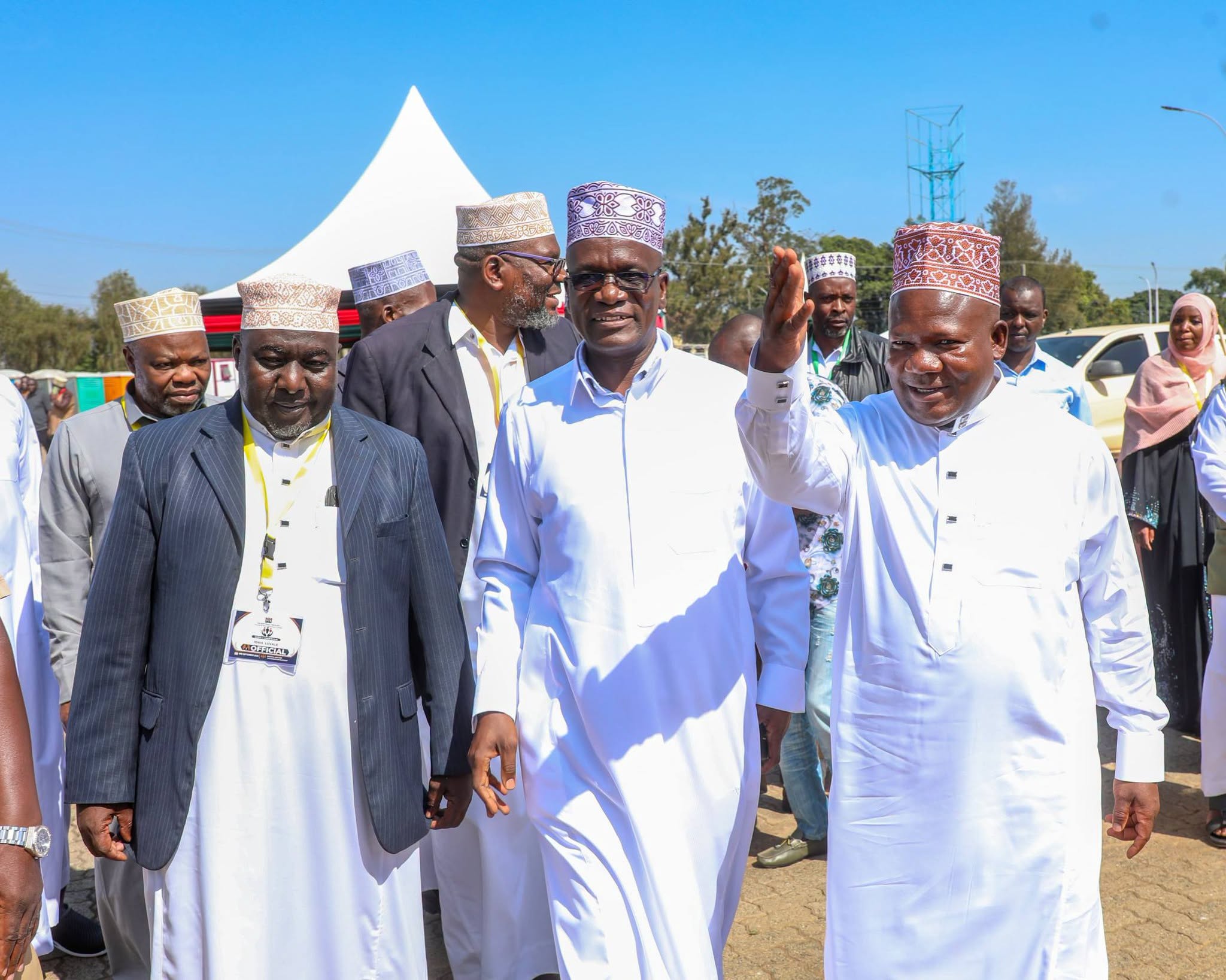
The Government has stepped up efforts to involve communities in economic planning, with Muslim leaders and other stakeholders from five Western Kenya counties meeting in Kakamega to discuss economic development and the role of citizens in shaping government programmes.
The Gumzo la Uchumi Mashinani forum, held at Bukhungu Stadium, brought together Muslim leaders and stakeholders from Kakamega, Bungoma, Busia, Vihiga and Trans Nzoia counties. The meeting focused on inclusive economic growth, public participation and strengthening collaboration between communities and government.
Principal Secretary for Economic Planning Dr Boniface Makokha said the initiative was intended to take economic discussions closer to citizens while giving communities an opportunity to contribute to national development plans.
“Gumzo la Uchumi Mashinani is about taking economic dialogue directly to the grassroots,” Makokha said, urging residents to participate in discussions on government planning and budgeting.
Makokha said communities should be able to identify their development priorities, including schools, hospitals, classrooms and transport needs, instead of leaving decisions entirely to officials.
He said grassroots participation was critical because local residents understand the challenges facing their communities and can help identify projects that require government intervention.
The PS also highlighted the role of local structures in identifying development needs, saying project priorities should originate from communities and their representatives.
State Department for National Government Coordination Principal Secretary Ahmed Abdisalan said public participation was necessary to ensure government programmes respond to the needs of ordinary Kenyans.
Kakamega Governor Fernandes Barasa said development planning must put communities at the centre, arguing that government programmes should deliver benefits across different parts of the country.
“Development must be inclusive and benefit our people at the grassroots,” Barasa said.
The forum also witnessed the launch of the Western Muslim Council (WEMUCO) SACCO, with leaders saying the initiative would promote financial inclusion by enabling members to save, access credit and invest.
Barasa welcomed the SACCO, while Malava MP David Ndakwa urged residents to embrace savings and investment as tools for improving household incomes.
“We must empower our people economically so that they can become self-reliant and take advantage of the opportunities available to them,” Ndakwa said.
National Chairman of the Council of Imams and Preachers of Kenya Sheikh Abdalla Ateka said Muslim leaders were prepared to work with the Government and other stakeholders to advance economic empowerment.
Ateka urged religious leaders to use their influence to mobilise communities around education, entrepreneurship, savings and other programmes aimed at improving livelihoods.
“We must ensure that our communities are not left behind in the country’s economic transformation,” he said.
Makokha said the Government also wanted to establish a network of trusted and capable community leaders who could help communicate government programmes, mobilise residents and relay grassroots concerns to authorities.
He said such leaders could help bridge the gap between government institutions and communities, particularly on issues affecting local development.
The meeting also highlighted the need for greater engagement between religious leaders and government officials. Makokha said the Government had previously maintained a distance from religious leadership but was now seeking greater dialogue and feedback.
“We want to speak with you. We want to hear your views,” he said.
Makokha outlined three objectives of the forum: sharing government achievements, listening to citizens and building a network of trusted and capable community leaders.
He said communities should judge leaders based on their work and available evidence rather than promises, stressing the importance of data in government planning.