



By David Otieno and Sharleen Blessings, Kakamega
The first cry of a newborn is usually a sound of relief, a sign that life has arrived safely.
But in many homes across Western Kenya, that joy has often been followed by years of unanswered illness, recurring pain, rushed hospital visits and silent grief.
Some children begin swelling in their hands and legs before their first birthday. Others develop persistent fevers, severe anemia and unexplained body pain. Many die before doctors can even explain what was wrong.
For generations, families in Kakamega County have lived under the shadow of sickle cell disease – a hereditary blood disorder that continues to quietly claim young lives.
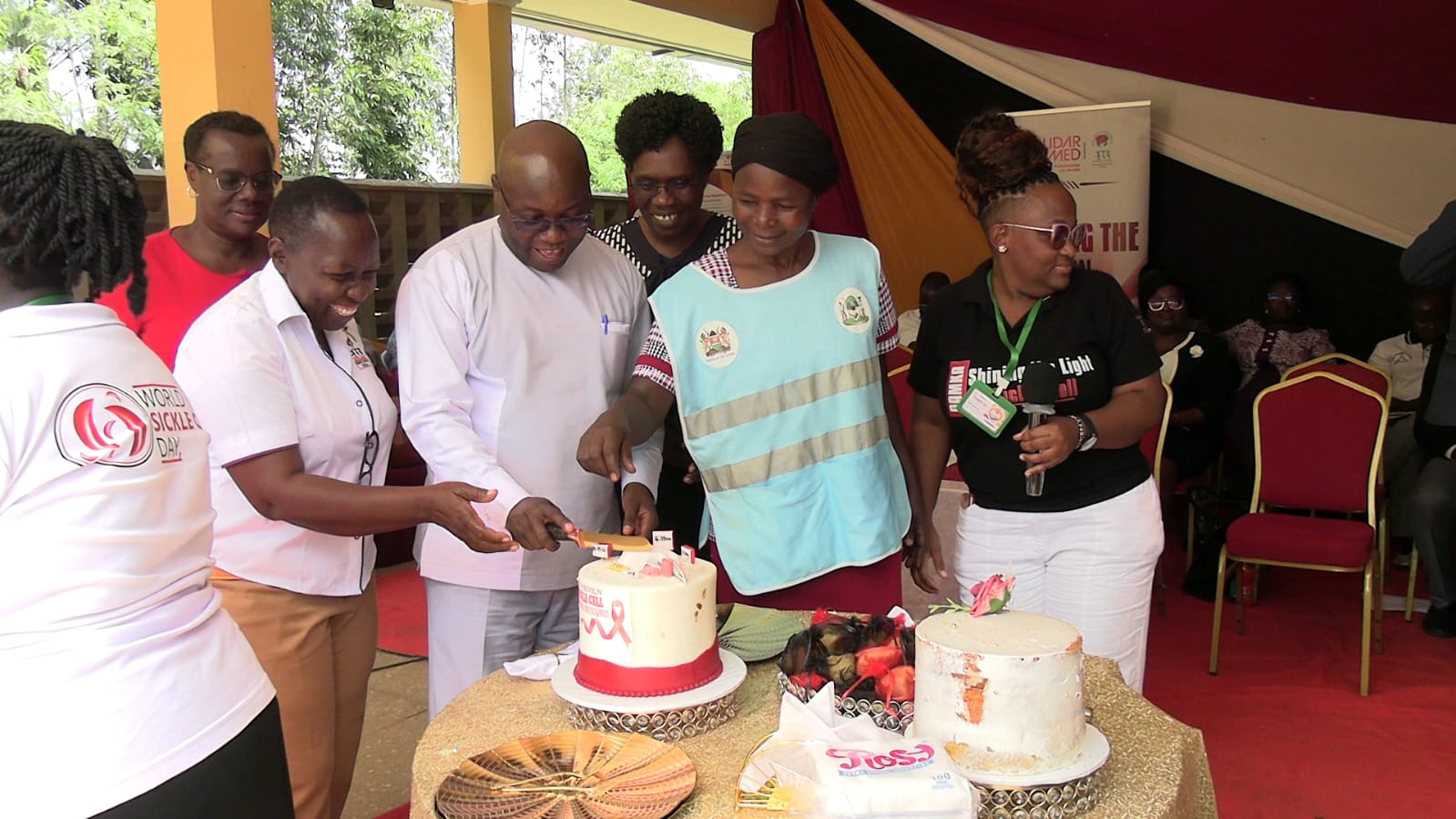
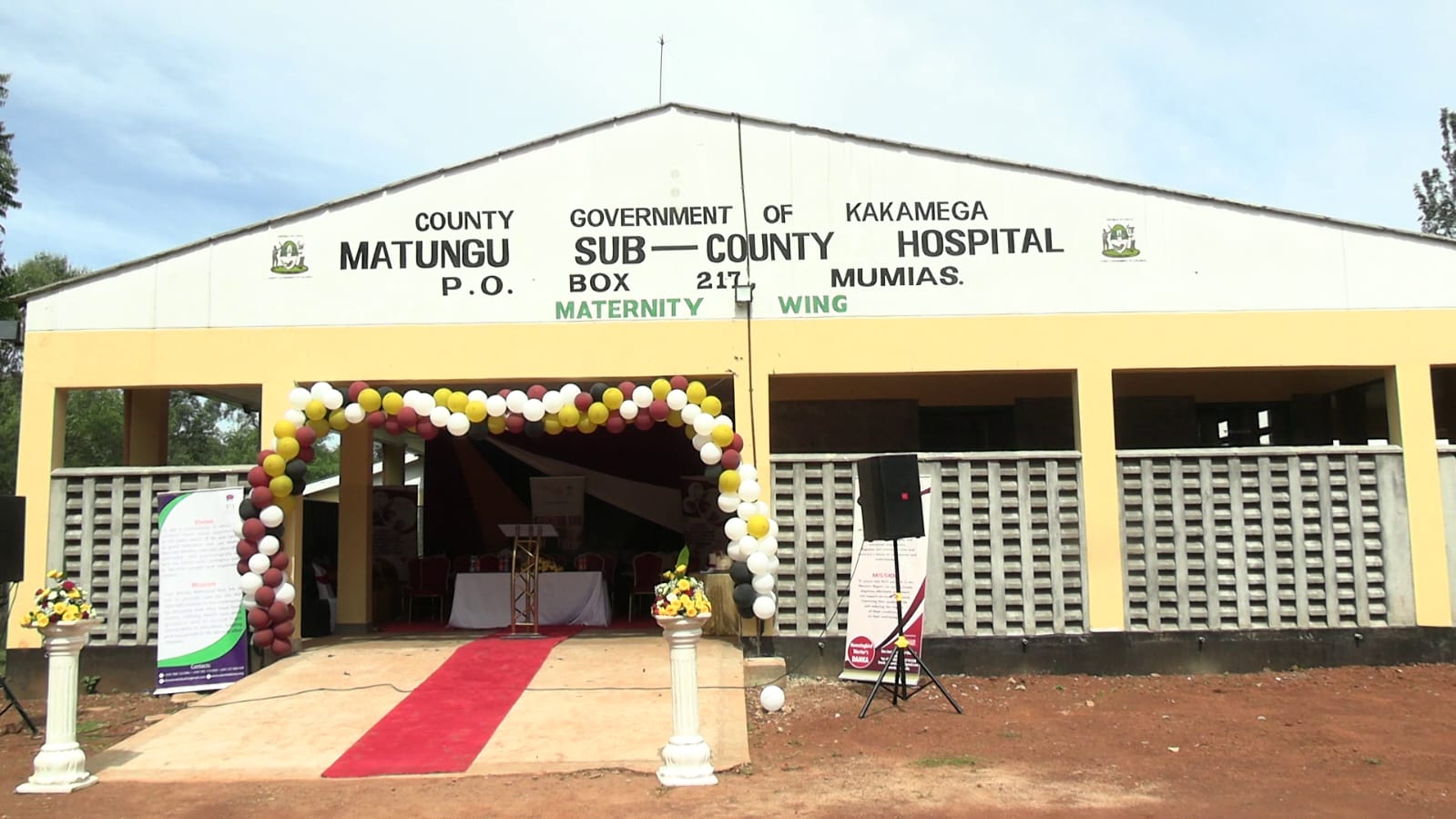
Now, that story has started changing. Healthcare workers, researchers, county officials and development partners at Matungu Sub County hospital launched Kakamega County’s first-ever newborn screening program for sickle cell disease, which is an ambitious initiative aimed at ensuring babies are tested immediately after birth so treatment can begin before deadly complications emerge.
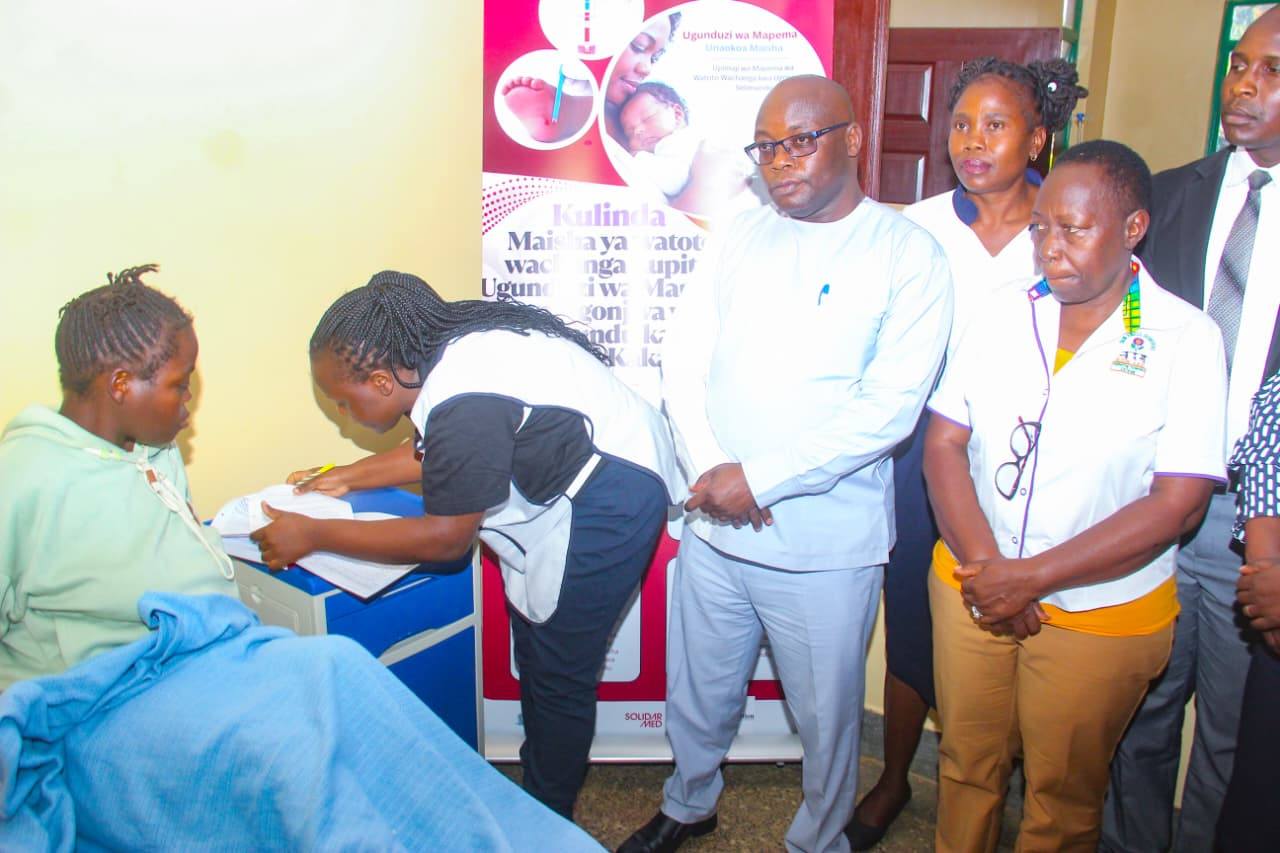
The program, being implemented through a partnership between the Kakamega County Department of Health, Don Amolo Memorial Kids Ark (DAMKA) and Masinde Muliro University of Science and Technology (Mmust) is expected to save hundreds of young lives through early diagnosis, treatment and long-term follow-up care.
At the launch, DAMKA founder and director Dorothy Caroline Mabunde described the initiative as a historic turning point not only for Kakamega, but for the entire country.
“Today we are excited to be part of this great initiative born by the Kakamega County Government to screen newborn babies in all the 12 sub-counties completely free of charge,” she said.
For Mabunde, who has spent years working with children living with sickle cell disease, the program is deeply personal.
“Early diagnosis makes all the difference. Having worked with children over the years who live with sickle cell, I know this is a game-changer,” she said.
Under the program, a small blood sample is taken from newborn babies shortly after birth and tested for sickle cell disease. Health experts say the process takes only a few minutes, but the impact can last a lifetime.
Ordinarily, private screening services can cost families thousands of shillings, money many rural households simply do not have.
But in Kakamega, county officials say every baby born in participating public health facilities will now receive the service free of charge, regardless of whether the mother is registered under the Social Health Authority (SHA) or not.
“We encourage all mothers in Kakamega County to walk into the facilities and have their babies delivered there because that means they will access free screening at no cost,” Mabunde said.
“Those found with the disease will immediately be linked to treatment and follow-up care. This is an opportunity no mother should miss.”
Already, more than 200 babies have been screened in four sub-counties of Matungu, Mumias, Butere and Khwisero. However, Matungu has recorded the highest numbers so far.
“We are seeing very high numbers in Matungu and Butere because we border Nyanza on one side and Busia on the other,” Mabunde explained. “Currently, we support more than 600 children in just three sub counties.”
She emphasized that the initiative is fully owned by the county government, with partners only providing technical and logistical support. “This is a county government project. We are only partners supporting the initiative,” she said.
Sickle cell disease, also known as sickle cell anaemia, is a group of inherited blood disorders in which red blood cells become abnormally shaped and rigid, forming a crescent or sickle-like appearance instead of the normal round shape. These distorted cells block blood flow and reduce the amount of oxygen reaching different parts of the body, causing severe pain, organ damage, chronic anemia and recurrent infections.
Both men and women can inherit the disease. Medical experts explain that for a child to develop sickle cell disease, both parents must carry the abnormal gene — even if the parents themselves show no symptoms.
According to the Ministry of Health, at least 14,000 children are born with sickle cell disease in Kenya every year. Across sub-Saharan Africa, between 50 and 90 percent of affected children die before their fifth birthday if the disease is not diagnosed and managed early.
The burden is particularly heavy in Western, Nyanza and Coastal regions, affecting at least 17 counties nationally. Across Africa, an estimated 240,000 babies are born with the condition annually.
Speaking during the launch, Kakamega County Executive Committee Member for Health Livingstone Imbayi said the county had decided to confront a disease many communities had long ignored.
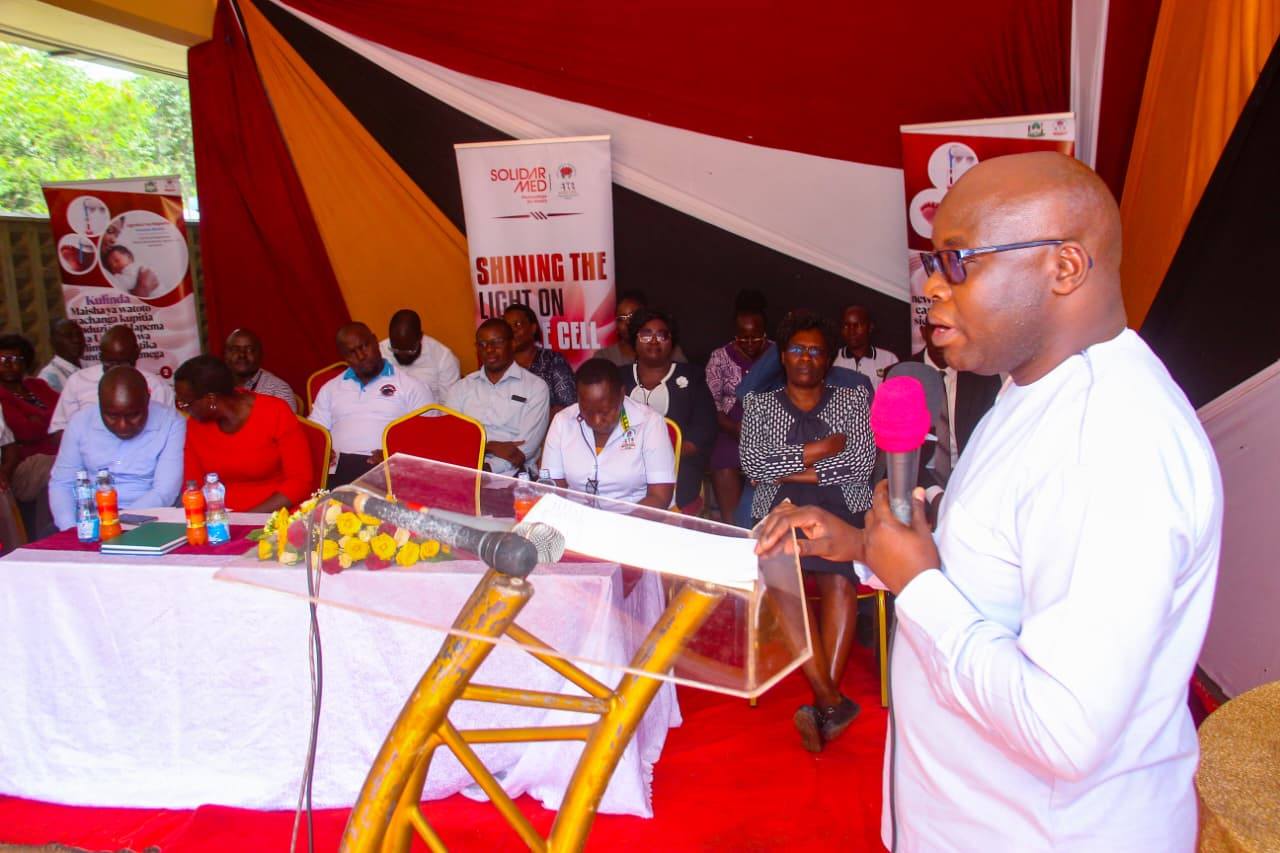
“Today is a very important day for the Ministry of Health and for the people of Kakamega,” he said. “Many people had forgotten that this disease exists within our communities.”
Imbayi warned that sickle cell disease weakens the body’s ability to fight infections and can severely affect vital organs including the liver, kidneys, spleen and even eyesight.
“Many people have lost their lives simply because they did not know they were suffering from this disease,” he said.
The county now plans to roll out screening services to all 202 government health facilities, including Level Two, Three, Four and Five hospitals. “If they are found to have the disease, we will treat them free of charge,”
The county is also strengthening blood donation campaigns to support patients requiring regular transfusions at the Kakamega County General and Teaching Referral Hospital blood bank.
For researchers at Masinde Muliro University of Science and Technology, however, the project is about more than screening babies. It is also about uncovering the true scale of the crisis.
Dr. Beatrice Mukabane, a lecturer in reproductive health, midwifery and child health and principal investigator of the project dubbed Saving Newborn Lives Through Point-of-Care Early Diagnosis of Sickle Cell Disease in Kenya, said researchers want evidence that can directly influence healthcare policy and treatment.
“We wrote the proposal, we were funded, and now we want to find out whether what we have been saying about Kakamega having high numbers is really true,” she said.
The research team will collect and analyze data from the screening program while also assessing community awareness gaps and training healthcare workers on sickle cell management.
“Most research findings remain in journals, but for this project, we do not want that to happen,” Mukabane said.
“Our intention is to use the results to improve treatment, awareness and support systems for sickle cell patients.”
Researchers are also exploring whether pregnant mothers could eventually be tested earlier during antenatal care to help families better understand the risks before delivery.