



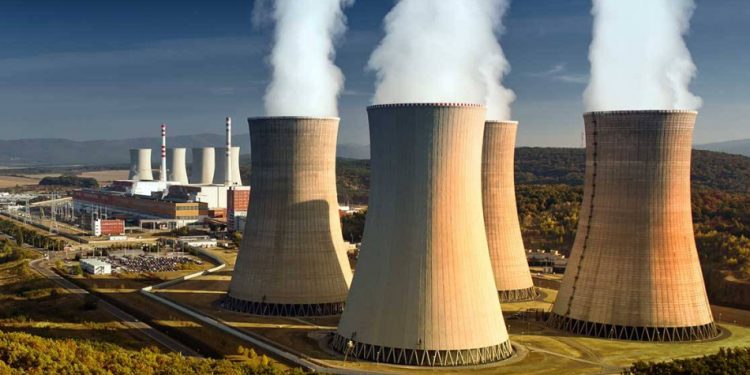
Kenya’s push into nuclear energy is not just about adding megawatts to the grid -it’s about building a knowledge economy, securing green investments, and preparing a skilled workforce for decades to come by linking academia with industry.
By Aines Wangila, Kakamega
Kenya’s journey towards nuclear power has taken a major step forward after the Nuclear Power and Energy Agency (NuPEA) signed a Memorandum of Understanding (MoU) with Masinde Muliro University of Science and Technology (MMUST) to train the next generation of nuclear experts.
The partnership aims to prepare a skilled workforce for the country’s first nuclear power plant, planned for Siaya County.
Construction of the facility is scheduled to begin in 2027, with the plant projected to come online by 2034.
Once complete, it will require a staggering 10,000 nuclear-grade workers from nuclear engineers and reactor operators to masons, welders, carpenters, and plumbers.
Preparing such a diverse and highly skilled workforce cannot happen overnight. For NuPEA, collaboration with universities and technical institutions across the country is the cornerstone of making Kenya’s nuclear dream a reality.
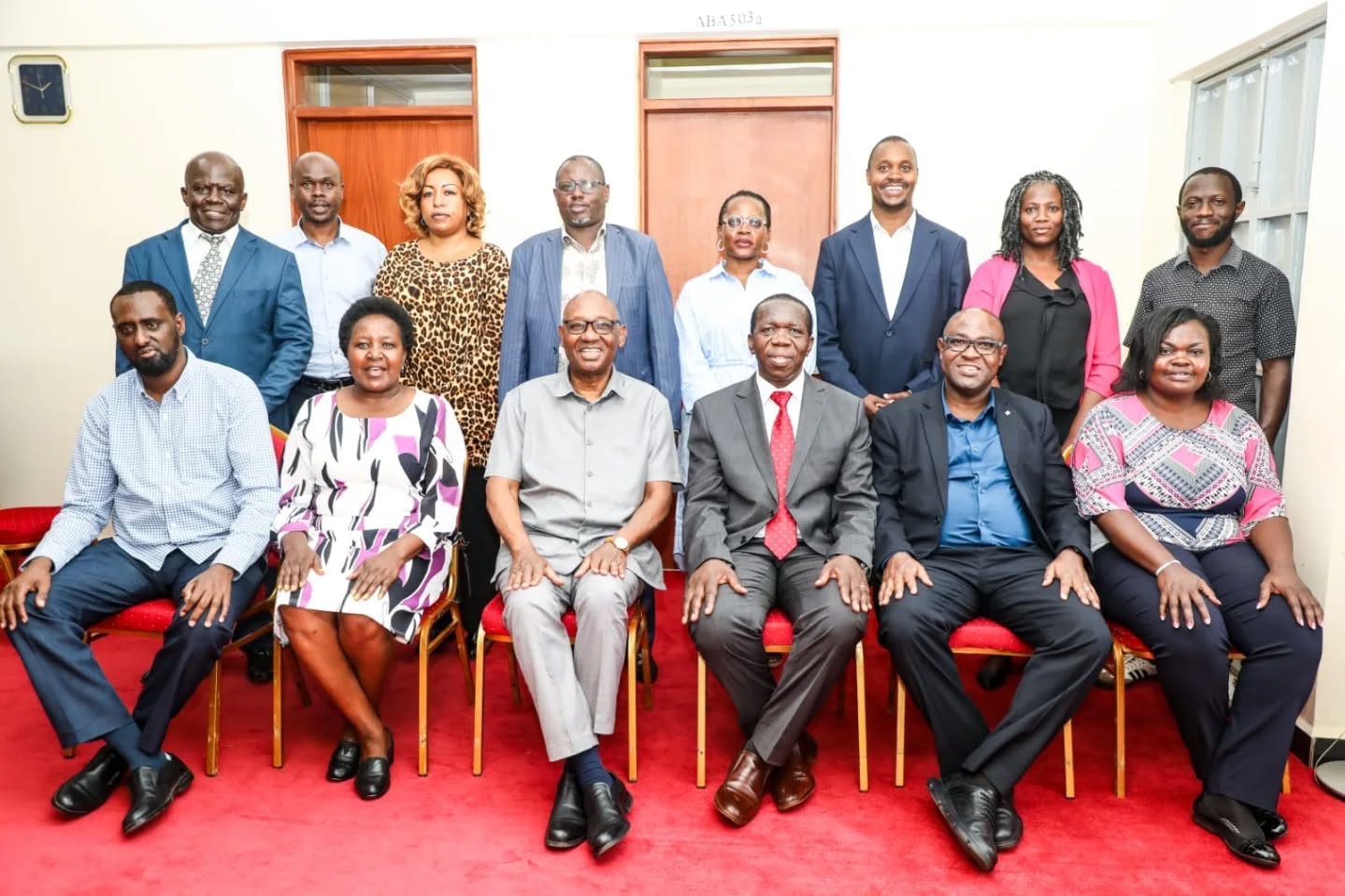
The MoU was signed by MMUST Vice Chancellor Prof. Solomon Shibairo, NuPEA Chairman Eng. Prof. Lawrence Gumbe, and Chief Executive Officer Justus Wabuyabo.
At the signing, Prof. Shibairo announced that MMUST will roll out a diploma programme in nuclear technology by January 2026, beginning with 25 students before expanding into a degree programme.
Currently, Kenya has an installed electricity capacity of about 3,400 megawatts, largely reliant on geothermal, hydro, and wind. While renewables dominate the supply, they face intermittency challenges: droughts reduce hydropower, rainy seasons affect solar output, and wind remains variable. Nuclear power, in contrast, provides stable baseload energy.
“We are crafting a diploma programme and, if needed, we can start as early as January,” Prof. Shibairo said. “We will begin with a diploma before moving to a degree. In the long term, this is not just about nuclear scientists — we also need masons, carpenters, welders, and many other specialists.”
Prof. Shibairo noted that nuclear technology is already part of everyday life, pointing out that many Kenyans have interacted with it in hospitals during X-rays or MRI scans. Beyond medicine, isotopes are also used in agriculture, engineering, and advanced research techniques such as Nuclear Magnetic Resonance (NMR) scanning.
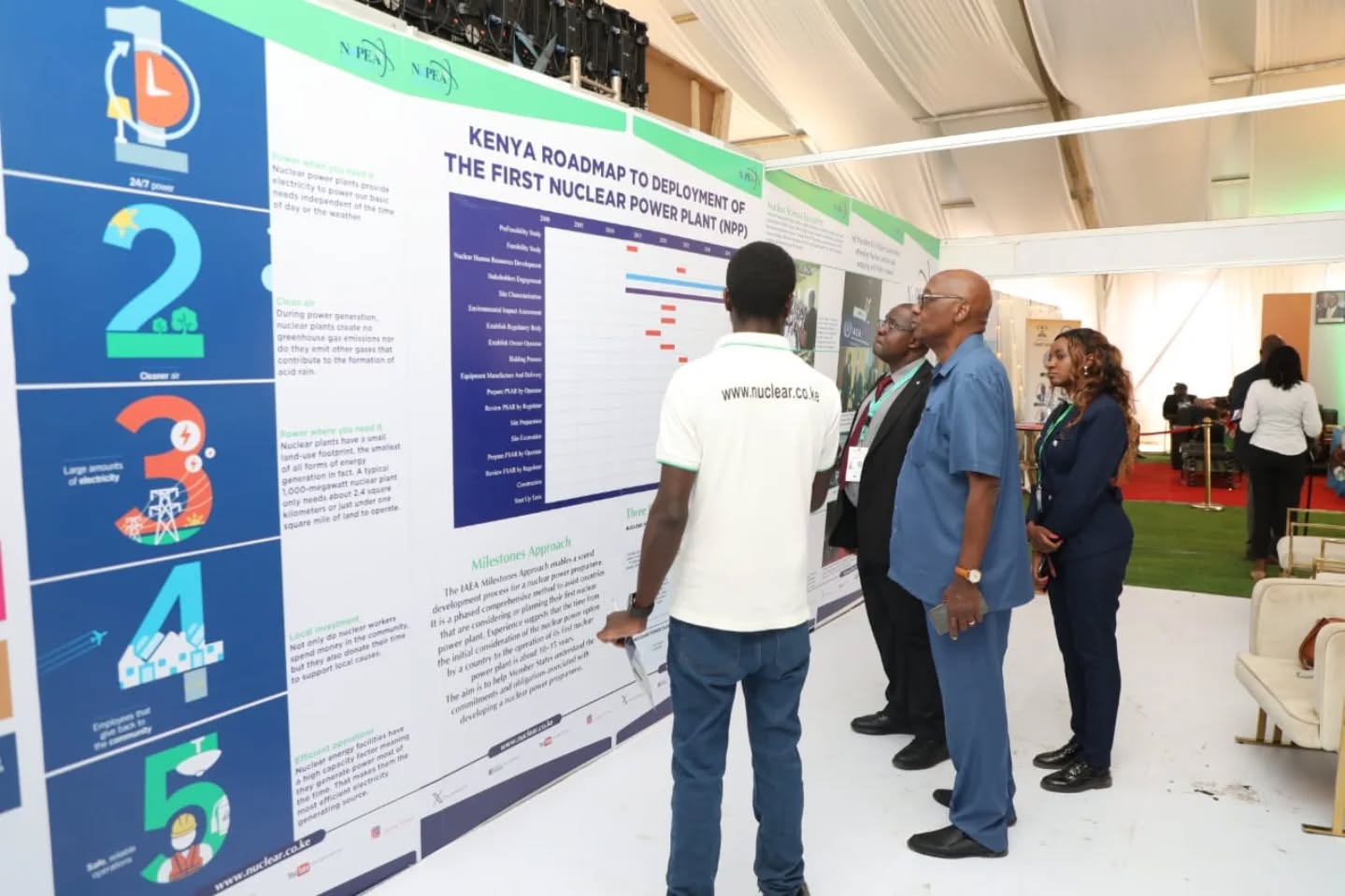
For decades, Kenya’s engagement with nuclear science has been limited to medical applications and small research units. The new partnership marks the country’s most ambitious attempt to expand nuclear science into the energy sector.
With MMUST joining institutions such as Pwani University, Jaramogi Oginga Odinga University of Science and Technology (JOOUST), and Kisumu National Polytechnic, NuPEA is building a pipeline of local nuclear talent.
“Kenya cannot rely on foreign expertise alone. We must develop our own engineers, scientists, and technicians to ensure sustainability and national ownership of this programme,” said Prof. Gumbe.
He described the partnership as a long-term initiative that will also expand into research areas where nuclear technology has multiple applications — including medicine, agriculture, weather forecasting, and engineering.
“Without a local workforce, the nuclear programme would be just a paper plan. Universities are where the dream becomes a reality,” he said.
Prof. Gumbe emphasized that NuPEA, which has the legal mandate to implement Kenya’s nuclear programme, will ensure the project is safe.
“This collaboration will open opportunities for Kenyans to train in nuclear energy technology and support the rollout of the programme in our country. I want to assure Kenyans that nuclear energy is safe. Its construction and operation will be guided by the International Atomic Energy Agency (IAEA), which enforces very stringent safeguards,” said Prof Gumbe
The timing of the initiative is strategic. Kenya is developing a research reactor, a smaller facility that will serve as a training ground for students while producing medical isotopes and supporting advanced research.
According to NuPEA’s 2023–2027 Strategic Plan, the research reactor is a critical stepping stone for building skills and regulatory confidence before the Siaya plant is commissioned.
NuPEA CEO Justus Wabuyabo underscored the importance of public engagement in the rollout. “We are actively engaging the public through forums, churches, youth groups, and county leadership structures so that we can reach the grassroots and have an open conversation with people. We need to assure them that this technology is safe and secure,” he said.
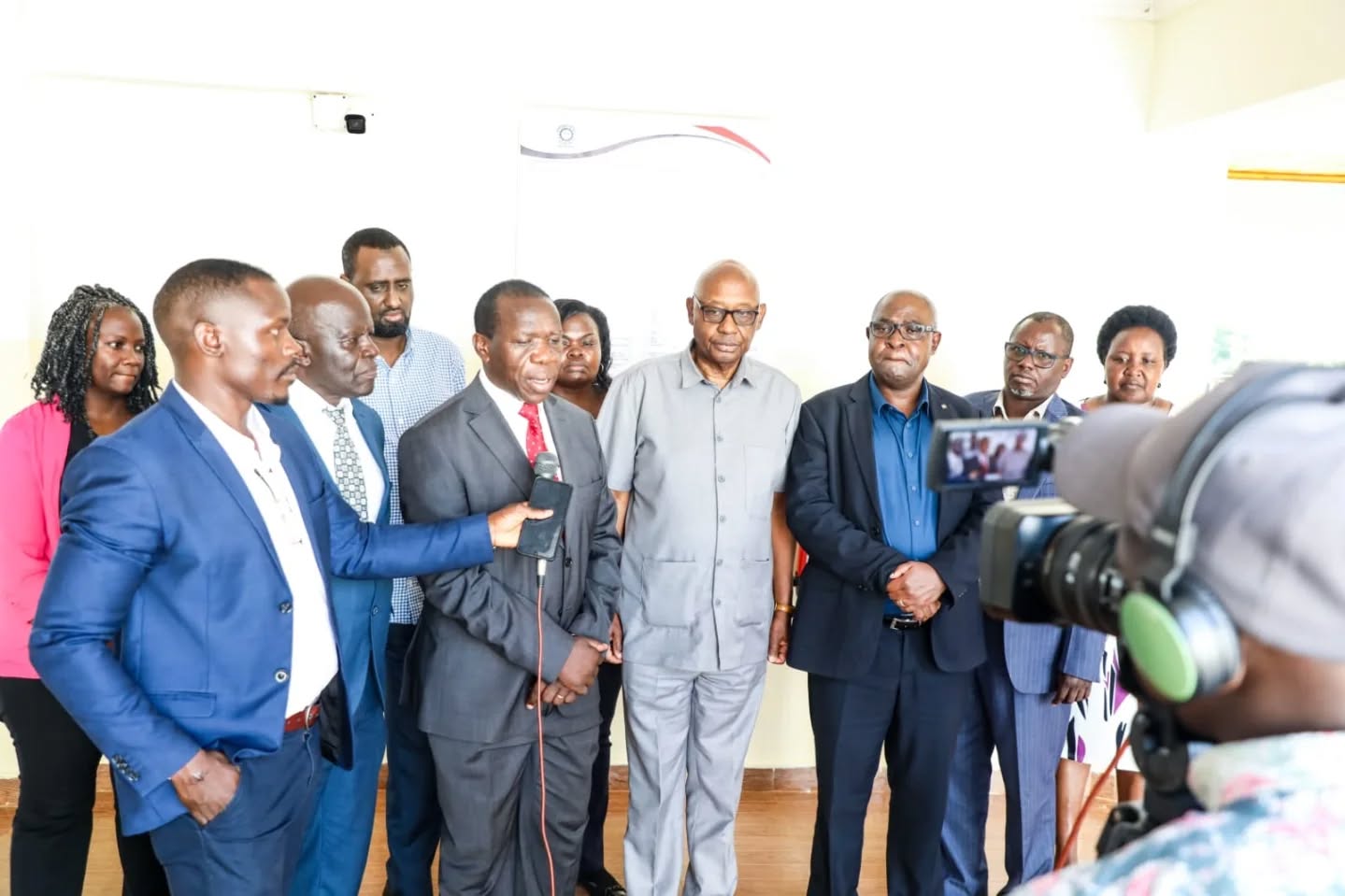
He stressed that Kenya is not acting in isolation. “This is not a leap into the dark. Every step is taken under IAEA guidance,” he added. “Industrialisation requires reliable power 24/7. Nuclear provides that anchor.”
Currently, Kenya has an installed electricity capacity of about 3,400 megawatts, largely reliant on geothermal, hydro, and wind. While renewables dominate the supply, they face intermittency challenges: droughts reduce hydropower, rainy seasons affect solar output, and wind remains variable. Nuclear power, in contrast, provides stable baseload energy.
The government’s Vision 2030 and the updated National Energy Policy position nuclear as a solution to Kenya’s long-term energy needs. By 2040, Kenya aims to generate up to 20,000 megawatts of nuclear power, cementing its status as a regional energy hub.
After years of feasibility studies, Siaya County has emerged as the frontrunner for the nuclear plant site. NuPEA has identified eight possible locations, including Ugambe, Sirongo, and Manywanda. Seismic, hydrological, and environmental assessments are underway, and by 2026, one preferred and one alternate site will be selected.
The project, with an estimated cost of more than Sh500 billion (about US$4 billion), is expected to be one of Kenya’s largest infrastructure investments.
Kenya’s move mirrors wider continental ambitions. South Africa’s Koeberg Nuclear Plant, commissioned in the 1980s, remains Africa’s only operational nuclear facility, though it has faced costly refits and community safety debates.
Egypt is constructing a massive four-reactor complex at El Dabaa with Russian financing, targeting 4,800 megawatts by the 2030s. Ghana, meanwhile, is pursuing a gradual approach, focusing on research reactors and exploring small modular reactors (SMRs).