



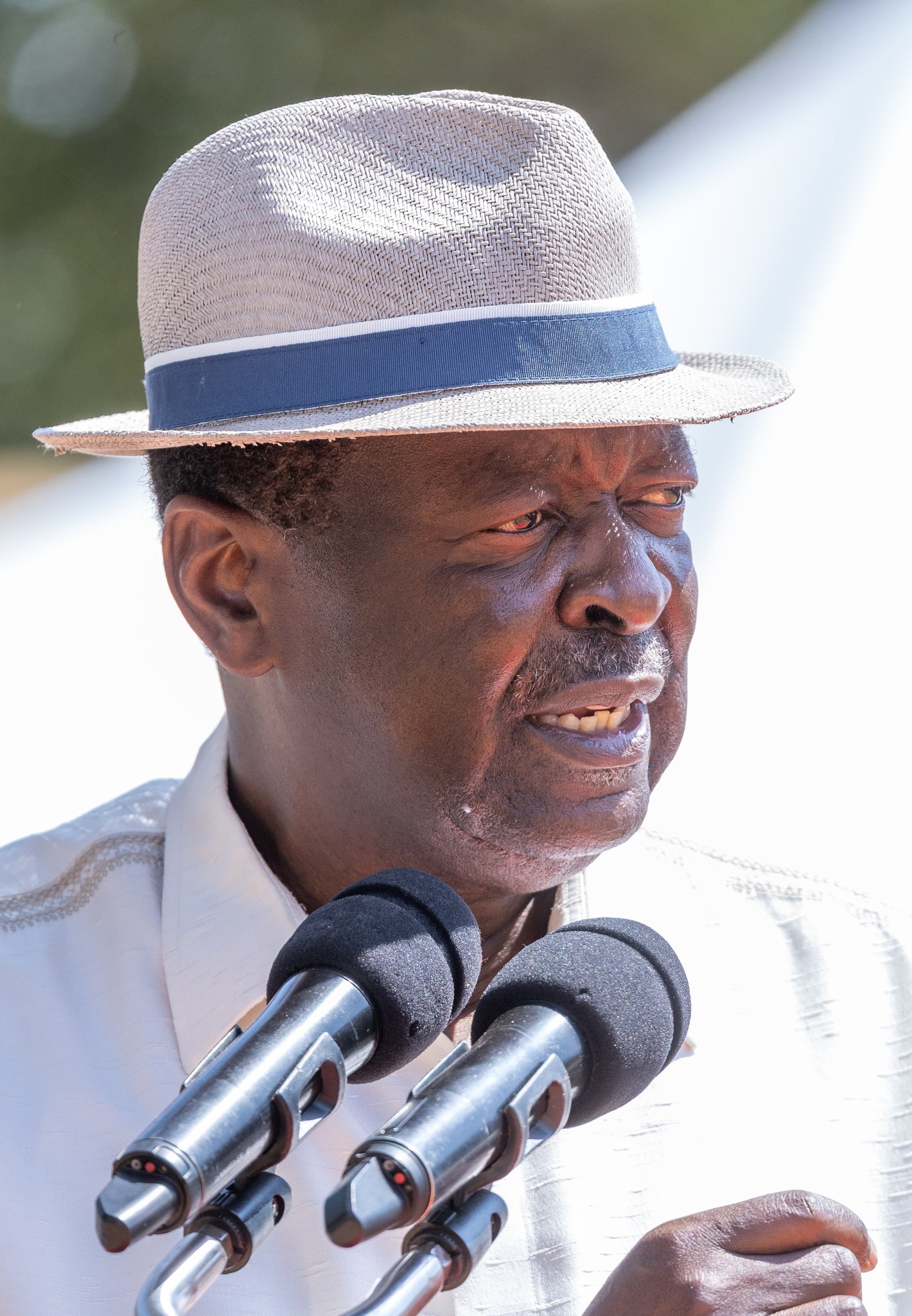
The Malava mini polls are more than a local contest; they are a verdict on Musalia Mudavadi’s survival in Ruto’s administration. A win secures his bargaining power in 2027, but defeat risks reducing him to a spectator in Kenya Kwanza’s succession politics.
By Faith Anene, Kakamega
The dusty campaign trails of Malava constituency are about to become the unlikely stage for one of the most consequential political tests facing Prime Cabinet Secretary Musalia Mudavadi- a defining moment that could determine his survival in President William Ruto’s Kenya Kwanza coalition beyond 2027.
The November 27th by-election, triggered by the death of MP Malulu Injendi, has grown into far more than a local parliamentary contest.

In Nairobi, it is being framed as a referendum on Mudavadi’s political relevance and his ability to deliver Western Kenya, a region that has long proved elusive for Ruto’s UDA party.
Ndakwa’s support comes mainly from the southern Abashu bloc, Panyako commands loyalty from the northern Abatobo clan, while Busiega appeals to the Abasonje lineage. Clan arithmetic has historically dictated outcomes here as much as party machinery, with voters aligning more with lineage loyalties than ideology.
For Mudavadi, who in March this year, folded his once influential Amani National Congress (ANC) party into UDA, the stakes could not be higher. His political wager rests on David Ndakwa, Kabras West MCA and Minority Leader in the Kakamega County Assembly, who clinched the UDA ticket after beating Ryan Malulu, the late MP’s son, in controversial primaries.
A victory for Ndakwa would elevate Mudavadi’s standing at the 2027 negotiating table, giving Ruto confidence that he can help tilt Western Kenya in favour of Kenya Kwanza. But a loss, especially to Azimio’s Democratic Action Party-Kenya (DAP-K) or the Democratic Congress Party (DCP) aligned to Deputy President Rigathi Gachagua would expose Mudavadi’s fragility, reducing him to a marginal figure in a coalition already defined by competing power centres.
The race is shaping up as a three-horse contest. Ndakwa, flying the UDA flag with the unexpected endorsement of ODM, faces Seth Panyako, the combative secretary-general of the Kenya National Union of Nurses, running on DAP-K.
Panyako nearly unseated Injendi in 2022, garnering over 20,000 votes, and is now widely seen as the frontrunner.

Also in contention is Edgar Busiega Mwanga of DCP, a close ally of former Kakamega Senator Cleophas Malala, whose candidacy is being closely watched as a proxy test of Gachagua’s influence in Western Kenya.
Lesser-known aspirants, such as Joab Manyasi (DNA), Wilberforce Tuvei (UDP) and Caleb Sunguti (Roots Party), add colour to the race but are unlikely to alter the outcome.
ODM’s decision to stand down and back Ndakwa has injected fresh intrigue. Kakamega Governor Fernandes Barasa, ODM’s county chair, described the move as part of a “broad-based government” strategy, pledging to marshal ODM resources behind UDA’s candidate.
Yet the endorsement has only deepened rifts in ODM’s Western wing, already fractured by a bitter chairmanship tussle between Barasa and Lugari MP Nabii Nabwera.
At the same time, Kakamega senator and Senate Majority Whip Boni Khalwale has broken ranks, declaring support for Panyako and accusing Mudavadi of “shortchanging” Ryan Malulu during UDA primaries.
Khalwale has vowed to personally lead Panyako’s rallies, escalating the stakes for Mudavadi.
The landscape is further complicated by the manoeuvres of National Assembly Speaker and Ford Kenya leader Moses Wetang’ula, who recently hosted a high-powered ODM delegation led by former Deputy Party Leader Wycliffe Oparanya at Lurambi MP Titus Khamala’s home.

The meeting has fuelled speculation of looming defections to Ford Kenya, underscoring the volatility of Western politics, where the elusive dream of Luhya unity continues to drive alliances and betrayals ahead of 2027.
But beyond party wrangles, the Malava by-election has exposed the raw clan dynamics that define politics in the constituency.
Ndakwa’s support comes mainly from the southern Abashu bloc, Panyako commands loyalty from the northern Abatobo clan, while Busiega appeals to the Abasonje lineage. Clan arithmetic has historically dictated outcomes here as much as party machinery, with voters aligning more with lineage loyalties than ideology.
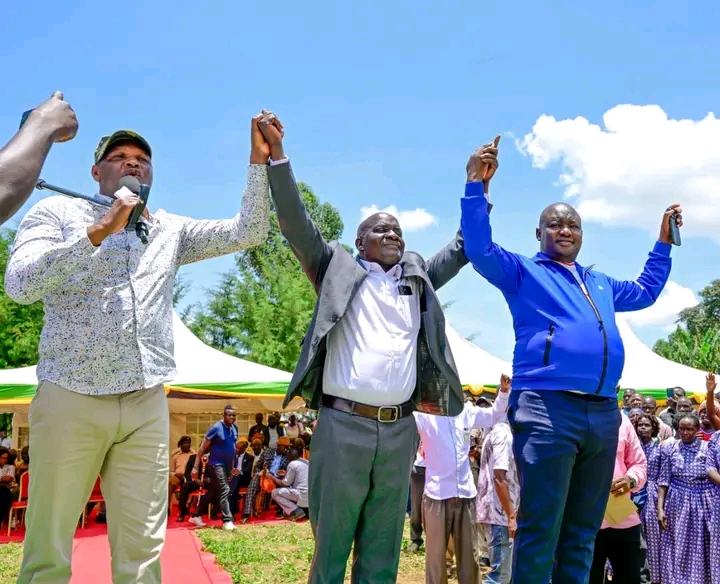
Currently, UDA is engaged in damage control after a botched nomination process that left deep scars. Defeated aspirants, including Simon Kangwana, Leonard Shimaka and Rhyan Injendi, have each staged thanksgiving rallies in recent weeks, with Ryan’s October 1st event drawing a muted reception a sign that the party’s influence may already be waning.
With President Ruto’s confidant Farouk Kibet looking on, he pledged support for Ndakwa and vowed to keep Malava within UDA. “Despite the differences, I choose unity. Malava should remain in UDA,” Rhyan told his supporters.
The party is struggling to contain the fallout, even as opposition candidates capitalise on the discontent.
What makes this contest particularly significant is that Malava has, for decades, aligned itself with the government of the day, choosing proximity to power over opposition politics.
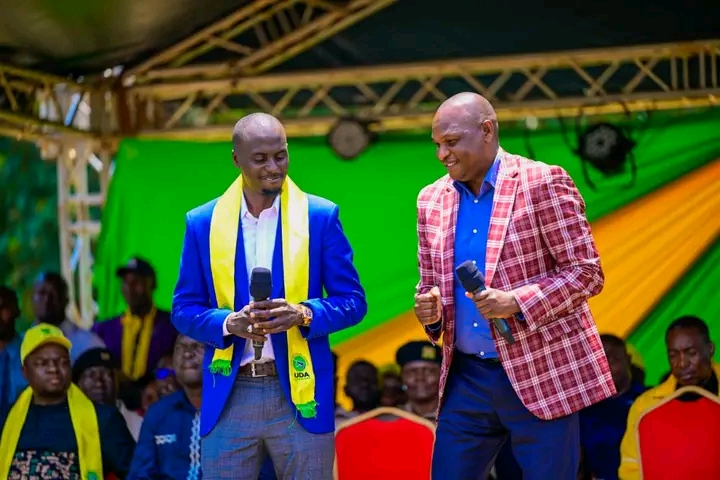
If the seat slips to Panyako and the opposition, it would be the first time Malava walks away from government, a development that would not only alter the constituency’s political identity but also deal a crushing blow to Mudavadi, who has staked his authority on delivering the seat.
For Ruto, Malava is a litmus test of whether his Western Kenya charm offensive is working.
For Mudavadi, it is existential. If Ndakwa wins, Mudavadi walks into 2027 as a man who can still command his backyard.
If he loses, he risks being reduced to a passenger in Kenya Kwanza’s high-stakes coalition politics, a humiliating fall for a man once hailed as the steady hand of compromise.