



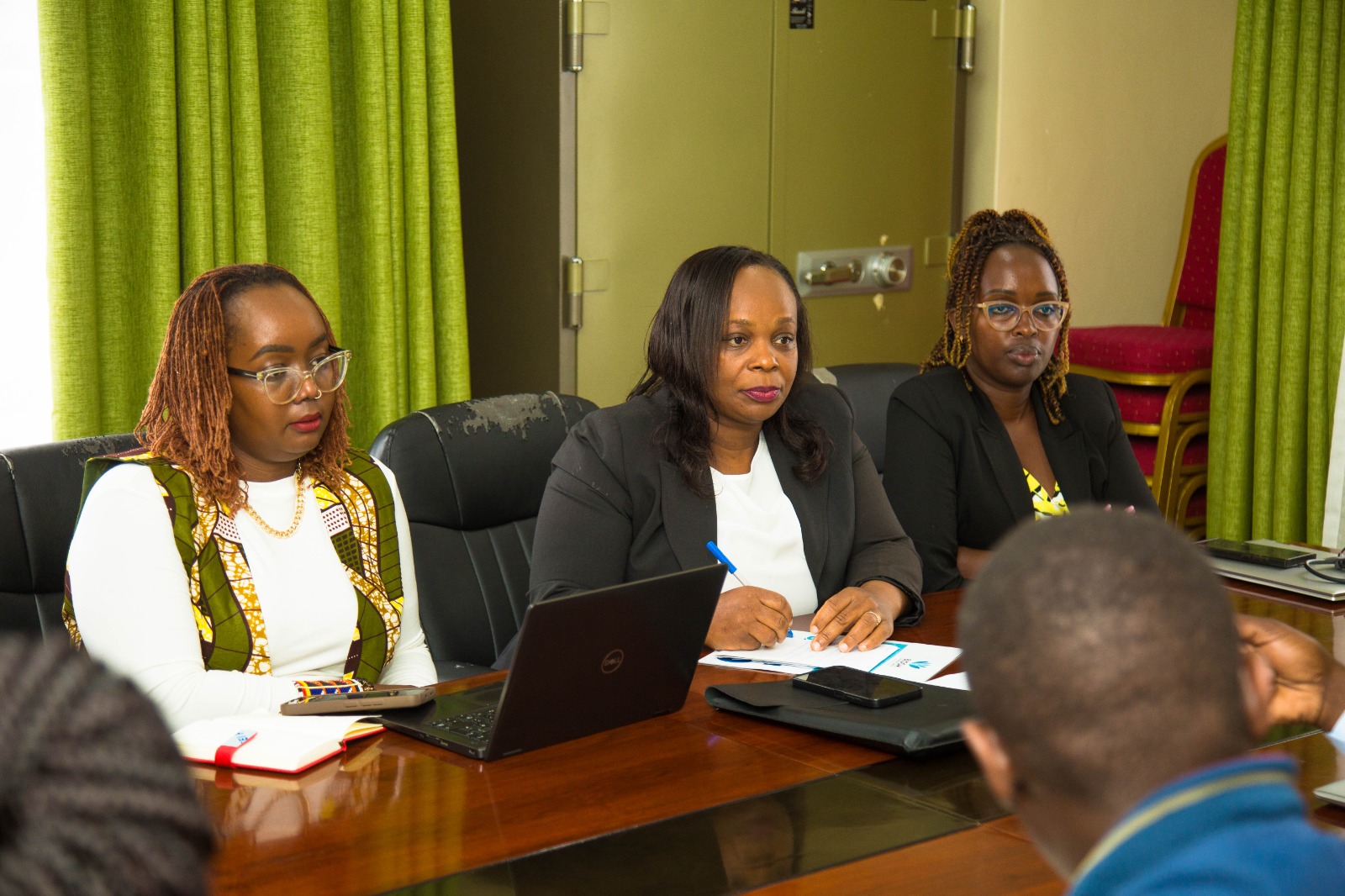
By Nelson Musungu, Bungoma
The Dyslexia Rising Africa conference 2025 (DRAC25) will take place on 20th- 21st August 2025 at the Kenya Institute of Special Education (KISE) under the theme: Rewriting Neurodiversity Narrative: From Stigma to Strength.
Organized by Bloom Dyslexia Centre in partnership with the Kenya Institute of Special Education, Dyslexia Organization Kenya, Dyslexia Tanzania, Africa Dyslexia Organization (Ghana), Black Literacy Matters (USA) and other strategic partners, DRAC25 will convene over 300 delegates from across Africa and beyond.
The two-day event will bring together policymakers, educators, researchers, corporate leaders, technology innovators, parents and youth to confront one of the most overlooked issues in Africa’s education and development landscape – learning differences such as dyslexia.
Dyslexia is one of the most common learning differences worldwide, affecting millions across Africa.
Between 10 -15% of school-aged children may experience dyslexia, yet most remain unidentified and unsupported.
In many cases, the lack of awareness, diagnostic resources and teacher training means children often struggle in silence, facing stigma, school dropout and limited economic opportunities.
In Kenya and across the continent, dyslexia is still poorly understood and under diagnosed. Only a fraction of children who need support receive it, leading to significant educational and social barriers.
Without intervention, learners are at risk of falling through the cracks.
The Dyslexia Rising Africa Conference 2025 will be one of the first high-level pan-African gatherings dedicated exclusively to Neurodiversity.
By uniting government leaders, educators, researchers, tech innovators and lived-experience voices, the event aims to reframe dyslexia from stigma to strength.
It will catalyze education reform, policy action, and workforce inclusion, positioning Africa as a leader in building a future where every learner can thrive.
“Across Africa, millions of children and adults face systemic barriers because of how their brains process language. Too often, this leads to stigma, school dropout and underemployment. DRAC25 is about shifting the narrative from deficit to strength and embedding Neurodiversity into policy, education and economic inclusion,” said Esther Muchiri Wamai, Founder and CEO of Bloom Dyslexia Centre.
She further said that the highlights of the conference include: Keynote Sessions exploring dyslexia in multilingual African contexts, inclusive government policies, teacher training, family and community engagement, workplace inclusion and the role of sports and technology in supporting learners.
Panel discussions on stigma reduction, youth voices, inclusive workforce practices, mental health, policy reforms and assistive technologies.
Workshops and breakout Sessions offering practical skills for educators, parents and advocates, with a focus on evidence-based literacy instruction, inclusive sports, and cutting-edge EdTech solutions.
The Inaugural Neurodiversity Inclusion Awards (August 21, 3–5 pm), hosted by Tonee Ndungu, honoring organizations, educators, advocates and young change makers who are driving progress in inclusion and equity for neurodivergent individuals across Africa.
These awards will shine a spotlight on innovation, courage and leadership in transforming systems for future generations.
“By convening regional and global experts alongside lived-experience voices, DRAC25 will catalyze policy reform, education transformation and workforce inclusion, ensuring that Neurodiversity is recognized not as a barrier but as an untapped source of strength and innovation,” she stated.