



By Faith Anene | Bungoma
The songs began long before the man himself appeared.
Like a tide gathering strength before the waves break, voices swept across Kitale’s Kenyatta Stadium, echoed along the highways of Trans Nzoia County and finally crashed into Bungoma’s historic Posta Grounds.
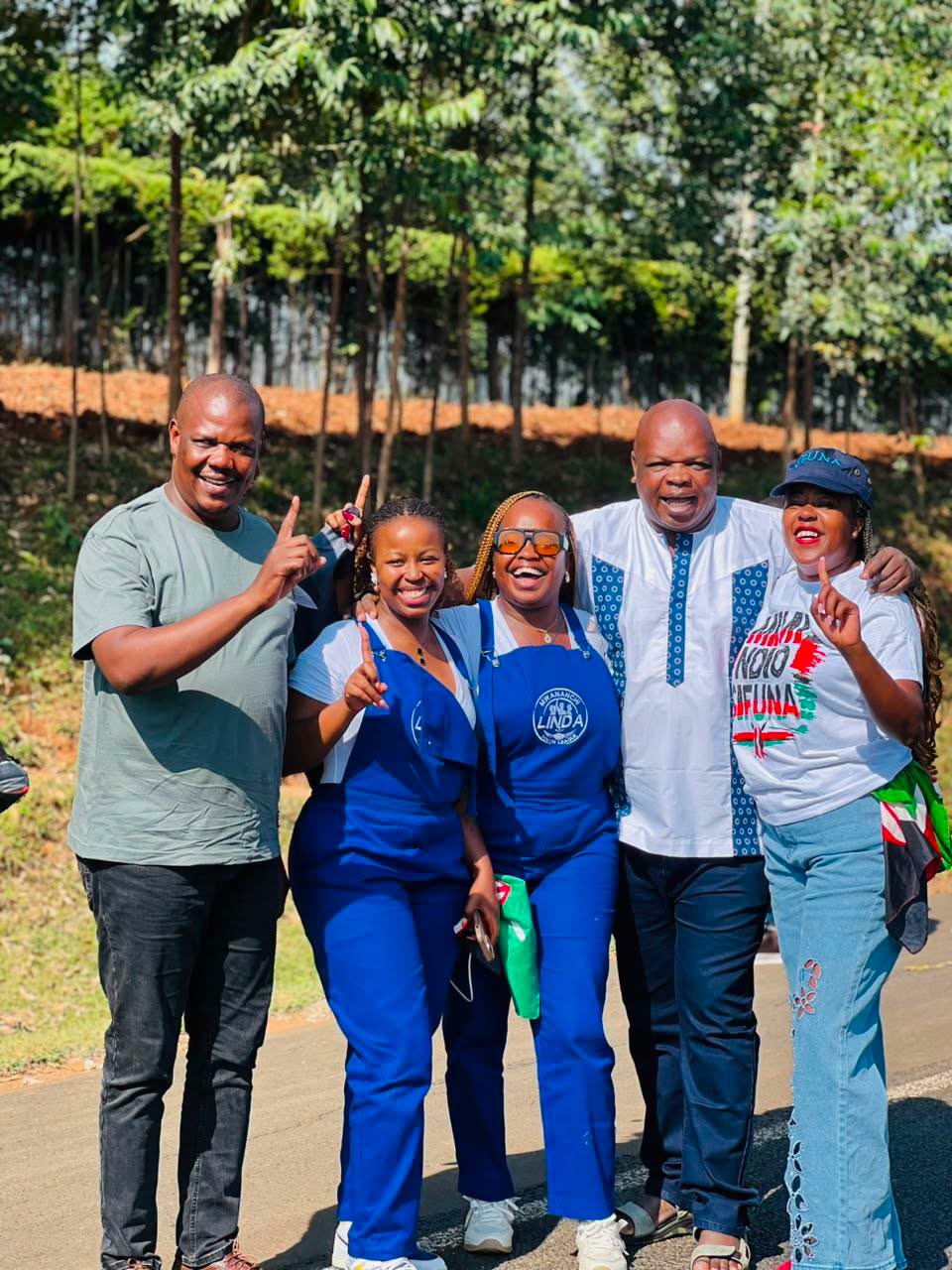
Draped in the colours of the Linda Mwananchi movement, thousands sang, danced and hoisted placards bearing the messages: “Sisi Ndio Sifuna” and “2027 Is Our Time.”
On the surface, it was a homecoming tour. But in the theatre of Kenyan politics, it carried the feel of the opening chapter of a much larger story.
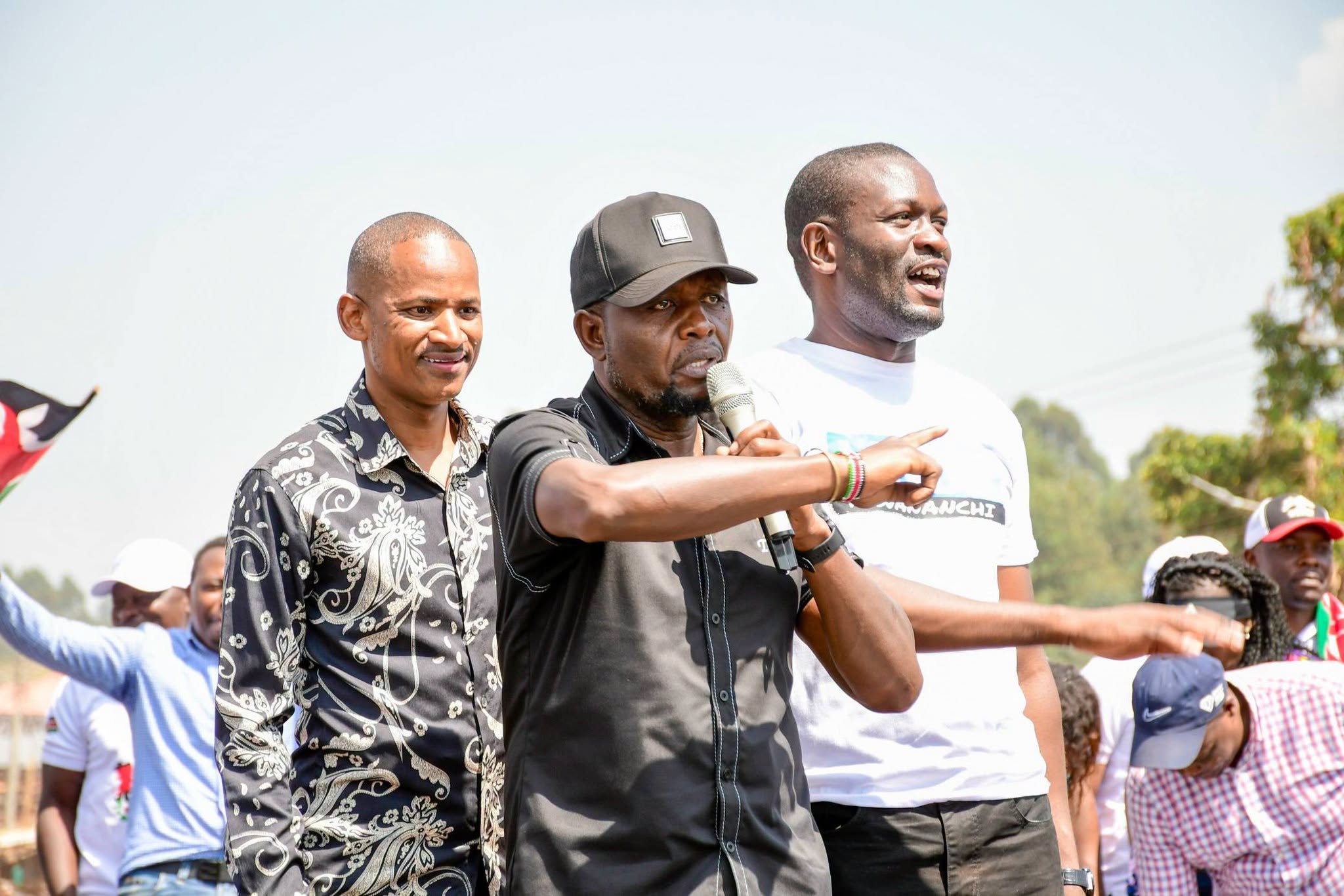
For two days, Nairobi Senator Edwin Sifuna traversed Western Kenya, launching blistering attacks on President William Ruto’s administration, defending the opposition’s agenda and increasingly presenting himself as the face of a new political generation.
More importantly, the rallies reflected a growing sentiment that after decades of watching leaders from other regions ascend to State House, the Mulembe nation was beginning to believe that one of its own could finally make the journey.
For decades, Western Kenya has produced some of the country’s most influential political figures—Masinde Muliro, Michael Wamalwa Kijana, Musalia Mudavadi, Moses Wetang’ula and Eugene Wamalwa.
Yet none has become president.
Instead, the region has repeatedly found itself shaping governments, negotiating coalitions and occupying senior positions in Cabinet, while the country’s highest office remained beyond its reach.
Throughout Sifuna’s tour, speaker after speaker returned to that enduring political reality.
Their message was strikingly similar: perhaps Western Kenya’s greatest obstacle has never been a lack of numbers, but a failure to unite behind one leader.
Kombo’s Blessings
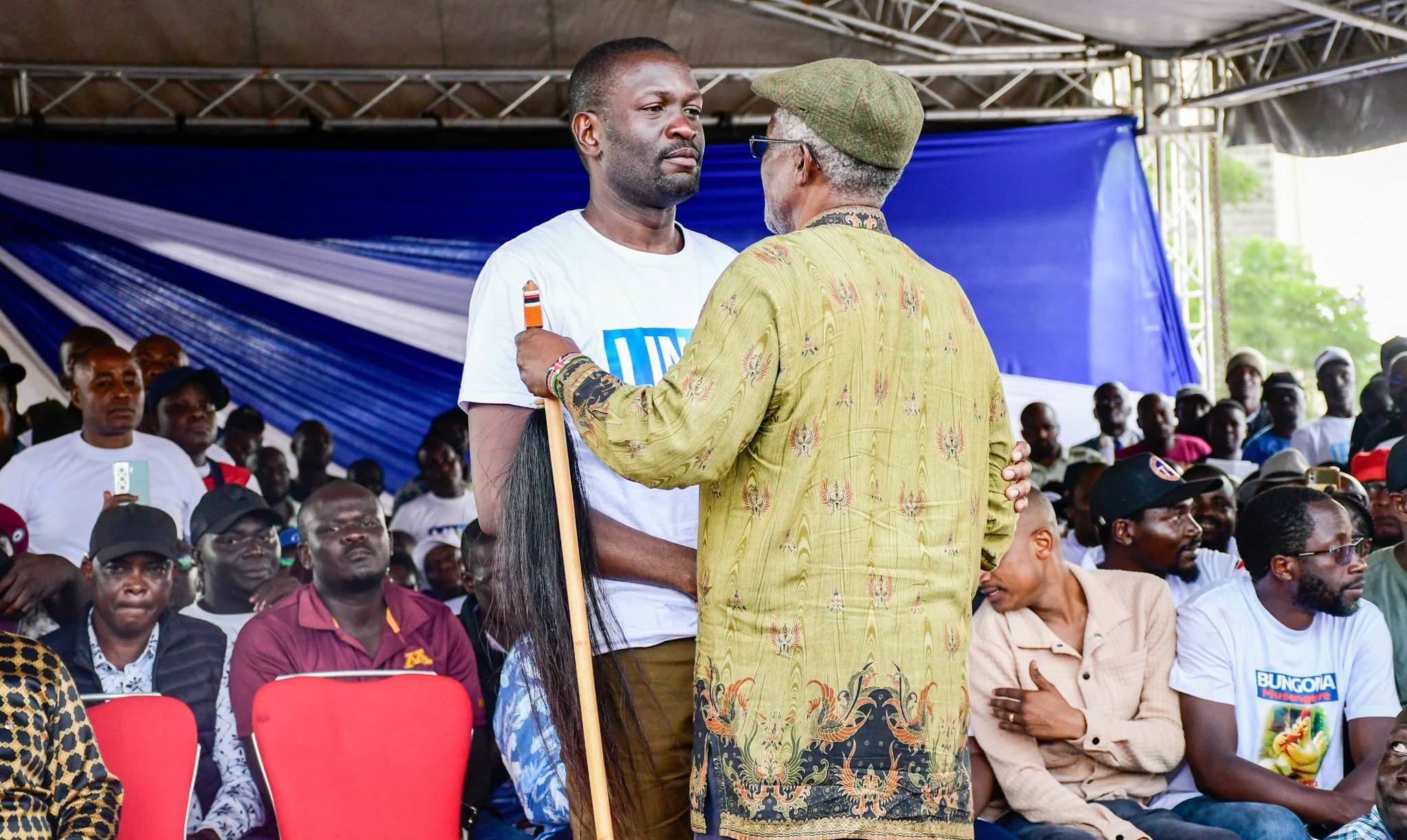
The defining moment came at Bungoma’s historic Posta Grounds when veteran politician and former Cabinet minister Musikari Kombo slowly walked to the podium before thousands of supporters.
His remarks instantly elevated the rally from a regional political gathering into a moment of national significance.
“At this very Posta Grounds, I blessed Uhuru Kenyatta and he became President. I also blessed William Ruto here, and today he is President,” Kombo recalled.
“Now I am giving you my son, Edwin Sifuna. I am entrusting him to the nation. Let us begin by supporting him here at home before asking the rest of Kenya to support him for the presidency.”
In Western Kenya, political elders continue to command immense respect.
To many supporters, Kombo’s endorsement symbolized the passing of the torch from one political generation to another.
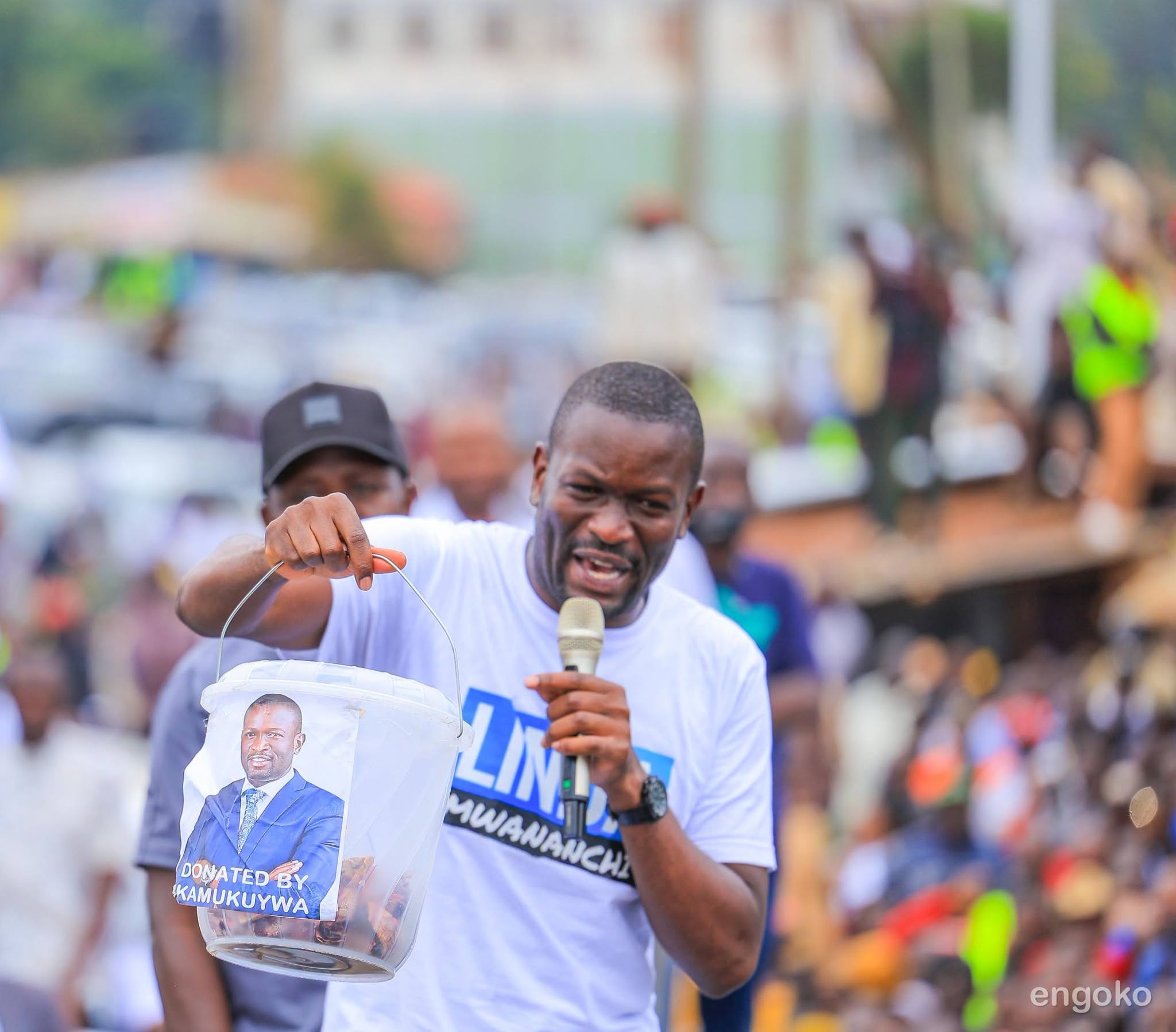
It also reinforced a growing perception that Sifuna is increasingly being viewed as a potential presidential contender.
The curse of two centres of power
If Kombo offered the blessing, Trans Nzoia Governor George Natembeya supplied the political diagnosis.
His speech became the ideological centerpiece of the entire tour.
Rather than simply endorsing Sifuna, Natembeya argued that Western Kenya’s greatest political weakness has been decades of internal rivalry.
He described it as a political curse.
“For decades, external forces gave us two kings so we would destroy each other,” Natembeya said.
“But today, the two centres of power are dead. Sifuna has become the singular uniting factor across the entire region. He is going to lead the Mulembe nation straight to power, exactly the way Wamalwa Kijana united our people in 2002.”
Natembeya traced what he described as a long history of politically engineered divisions.
He invoked history not to reopen old wounds, but to remind supporters of a recurring political pattern that has repeatedly weakened Western Kenya’s bargaining power.
“From the ideological clashes between Masinde Muliro and Elijah Mwangale, the fierce political contests involving Martin Shikuku and Musalia Mudavadi, the rivalry between Michael Wamalwa Kijana and Mudavadi, the battles between Musikari Kombo and Mukhisa Kituyi, Kombo and Moody Awori, to the enduring competition between Moses Wetang’ula and Eugene Wamalwa, Western Kenya has repeatedly allowed internal rivalries to overshadow its collective bargaining power.”
Natembeya then addressed speculation that he and Sifuna would eventually compete for the presidency.

“Many people thought I would fight with my younger brother, Edwin Sifuna, over the presidency. But we have talked, we understand each other, and today I am publicly declaring that I am backing him.”
He went further : “From today onwards, Sifuna is the spokesperson of our community. We must stop wasting our energy fighting one another and instead unite behind a leader who can articulate our interests and take our voice to the national stage.”
His message was clear: That every generation has produced leaders of national stature, but persistent internal competition has denied Western Kenya the unified political voice necessary to seriously pursue the presidency.
The presidency that never came
Political analyst Kwendo Opang’a says Western Kenya occupies a unique place in Kenya’s political history.
“Western Kenya has long occupied a unique place in Kenya’s political landscape. Its leaders have shaped governments, forged powerful coalitions and held some of the country’s most influential Cabinet positions. Yet despite their enduring influence at the centre of power, the region has never produced a president.”
That paradox has defined the region’s politics for decades.
Masinde Muliro built one of Kenya’s strongest opposition movements but died before his national vision matured.
Michael Wamalwa Kijana came closest to the presidency before his death in 2003 while serving as Vice-President.
Musalia Mudavadi served as Vice-President and later Deputy Prime Minister but never converted those offices into a successful presidential bid.
Moses Wetang’ula has remained one of Kenya’s most influential politicians but has repeatedly opted for coalition politics rather than mounting an independent presidential campaign.
A new political generation
Throughout the rallies, Sifuna deliberately positioned himself as the face of a younger political generation.
He criticised heavy taxation, questioned the implementation of the Social Health Authority (SHA), and promised to revive struggling industries, including Nzoia Sugar Company.
“We cannot continue overtaxing Kenyans while hospitals have no medicine and farmers cannot afford production,” he said.
Embakasi East MP Babu Owino urged young people to embrace leaders willing to challenge the political establishment and defend ordinary citizens.
Siaya Governor James Orengo called for constitutionalism, accountability and stronger democratic institutions, arguing that Kenya’s future depends on leaders who defend the rule of law rather than political personalities.
The challenge ahead
Political excitement, however, does not automatically translate into presidential victory.
Analysts say Sifuna still faces formidable hurdles.
He must first consolidate support within ODM—or successfully transition his support base to the emerging Linda Mwananchi movement if he eventually leaves the party.
Beyond Western Kenya, he will also need to build a broad national coalition.
No presidential candidate in Kenya has won solely on the strength of regional support.
Political analyst Javas Bigambo argues that endorsements from respected regional leaders help establish legitimacy but are only the beginning.
“Successful presidential candidates begin with strong regional bases before constructing national coalitions. Regional enthusiasm is important, but it must eventually translate into national appeal.”
Political analyst Herman Manyora reaches a similar conclusion.
“Western Kenya has significant voting numbers. But history shows those numbers only matter when they are united and connected to broader national alliances.”
The other side
Not everyone is convinced that the opposition’s momentum will translate into electoral success.
Kenya Kwanza leaders have dismissed the rallies as premature campaign theatrics.
President William Ruto has repeatedly challenged opposition leaders to move beyond criticism and offer practical alternatives, insisting that his administration remains focused on implementing the Bottom-Up Economic Transformation Agenda (BETA).
Speaking in Amagoro, Busia County, Ruto said: “The Opposition are an existential threat to our country. They are not only a threat to our economy but also to the future of our children. We ask Kenyans to rally behind this Government, a transformative administration that is driving growth and expanding opportunities for everyone. Those who are not for progress and development should not stand in the way of our country’s transformation.”
Whether Sifuna’s Western Kenya tour marks the birth of a credible presidential campaign or merely another chapter in the region’s long search for State House remains uncertain.
What is undeniable, however, is that a conversation once confined to whispers is now being declared from rally platforms.
For the first time in years, Western Kenya is not merely discussing who to support for president. It is openly asking whether the next president could come from among its own.