



By Nelson Musungu, Bungoma
Farmers have been advised to remain vigilant against counterfeit seeds as the long rains planting season begins, following reports that fraudulent traders are flooding the market with fake farm inputs.
Experts warn that planting counterfeit seeds can result in low germination rates, poor yields and significant financial losses for farmers who rely on the season for food and income.
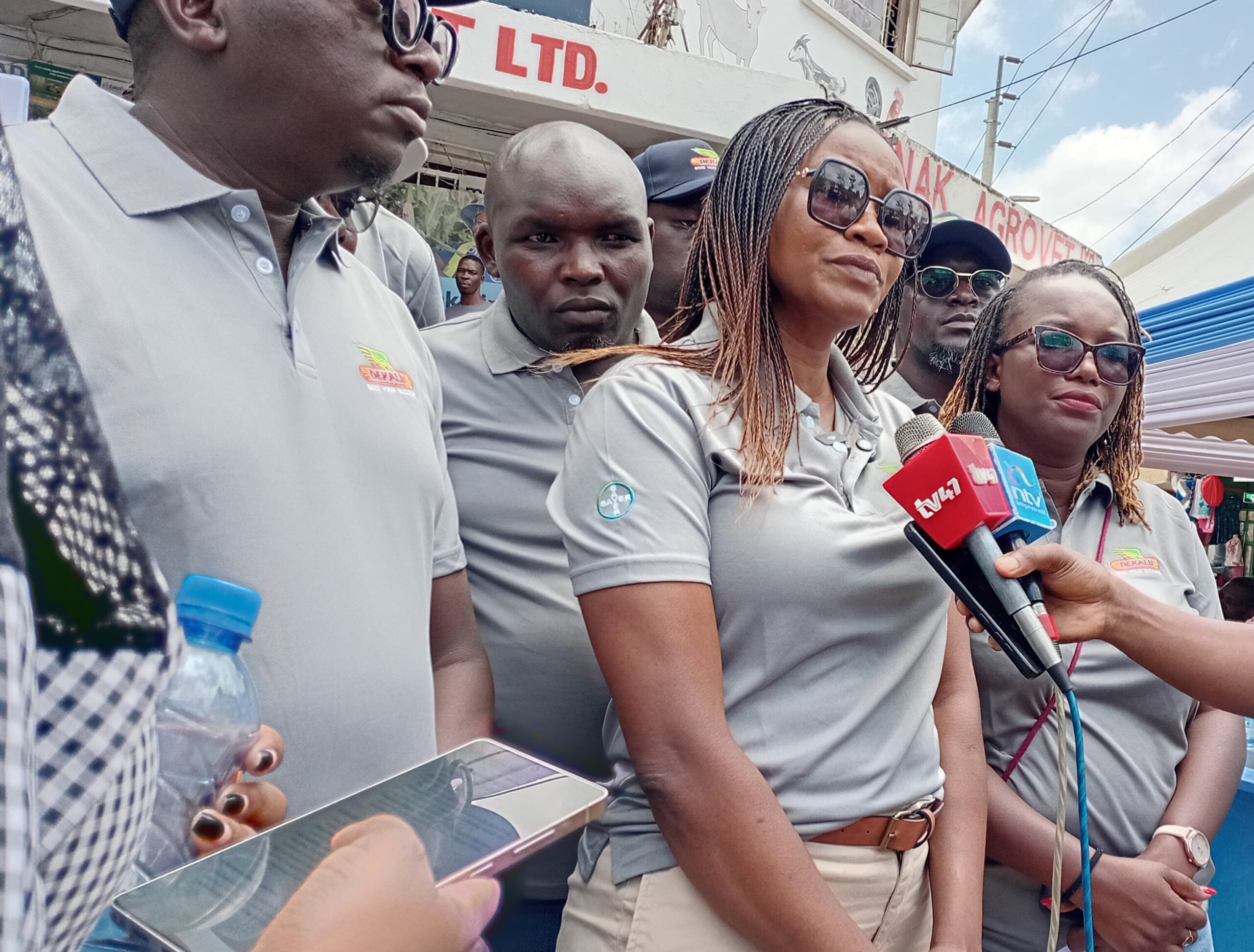
Speaking during a farmers’ sensitisation forum at Ronak Agro-Vet in Bungoma on Friday, Everlyne Musyoka, Head of East Africa at Bayer, urged farmers to purchase certified seeds from accredited agro-dealers.
Musyoka noted that the company focuses on empowering smallholder farmers, who produce about 80 per cent of the food consumed in Sub-Saharan Africa.
“Strengthening food security begins with equipping farmers with accurate information, including where to source genuine farm inputs,” she said.
Farmers were advised to check certification labels, expiry dates and batch numbers, and to ensure seed packaging has not been tampered with. Musyoka cautioned that counterfeit seeds may appear genuine but often perform poorly once planted.
She observed that fake seeds typically record low germination rates, are more vulnerable to pests and diseases and fail to mature uniformly, leading to heavy crop losses. She urged farmers to report suspicious dealers to relevant authorities and avoid buying seeds from hawkers or unregistered vendors operating in open-air markets.
Musyoka also underscored the importance of early land preparation, proper spacing, soil testing and timely planting to maximise yields during the rainy season.
She disclosed that the company aims to reach 21 million farmers in low- and middle-income countries to enhance productivity among smallholders, who account for the bulk of food production.
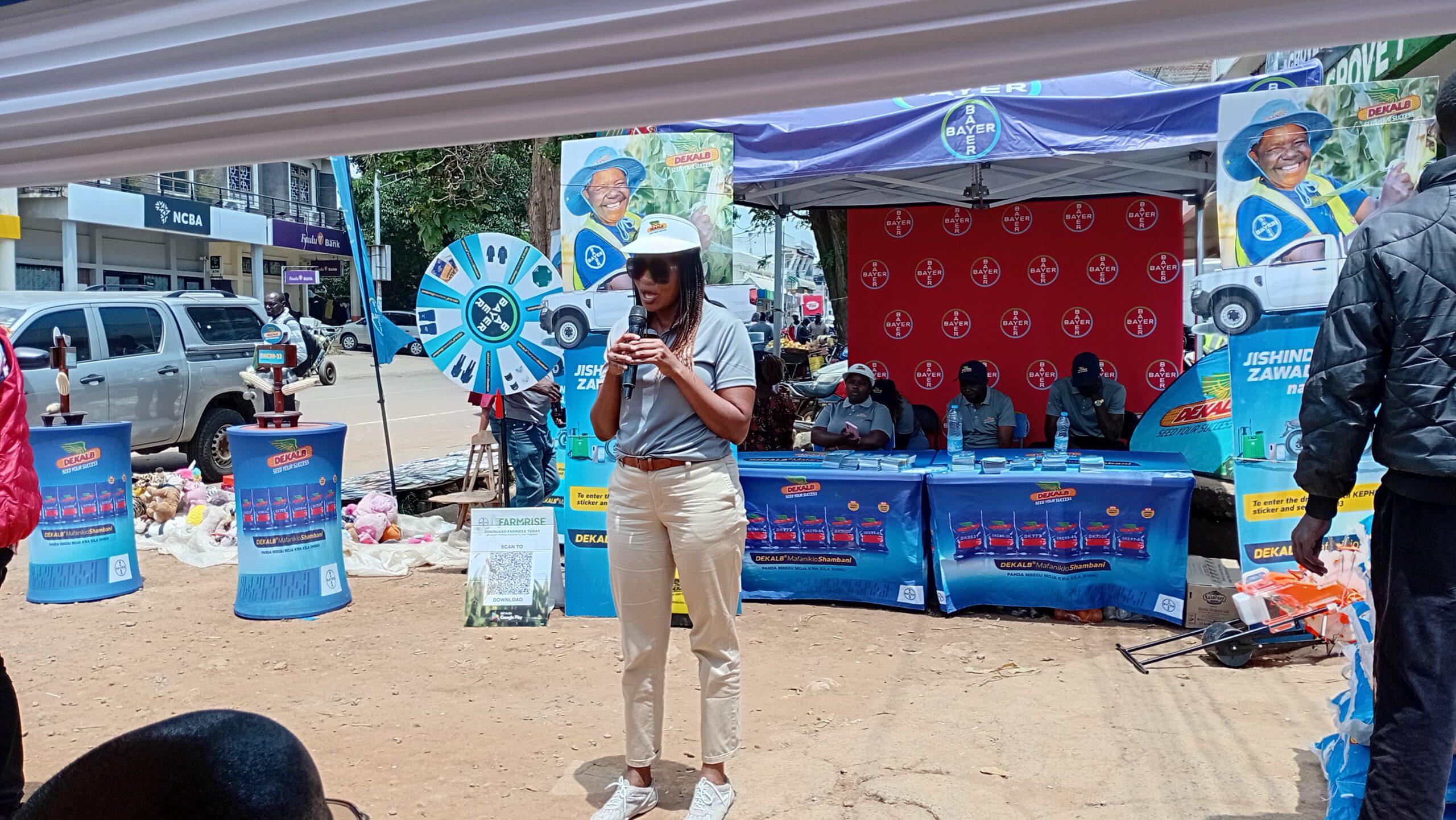
On seed authenticity, she said the company is collaborating with the government to ensure that all seeds certified by the Kenya Plant Health Inspectorate Service (KEPHIS) bear an official verification sticker.
All certified seed packets in the country, including vegetable seeds, carry the KEPHIS sticker. Farmers are encouraged to scratch the sticker to reveal a code and send it via SMS to 1379 to confirm authenticity. They then receive a message indicating whether the seed is genuine or counterfeit.
Musyoka added that, besides supplying certified seeds, the company has introduced a customer reward programme. Farmers who purchase and verify the products through the KEPHIS sticker receive assorted gifts, with a pickup truck set as the grand prize.
Abigael Lusweti, a farmer from Bumula Sub-county, commended the organisers for holding the sensitisation forum ahead of the planting season, saying the information shared would help boost productivity.
She noted that such forums play a critical role in educating farmers about fraudulent traders in the market. Wafula added that sustained engagement would enable farmers to distinguish between counterfeit and certified seeds, ultimately improving yields.
Meanwhile, Erick Wekesa, a farmer from Tongareni Sub-county, urged farmers to exercise caution when selecting seed varieties during the long rains season. He advised them to seek guidance from certified agro-dealers to better understand which seed varieties perform well during both the long and short rains.