



By Faith Anene – Kisumu
When Dr Eunice Achieng Fwaya stood before a packed hall at the NeuroConnect Therapy Centre in Kisumu, her voice trembled with emotion.
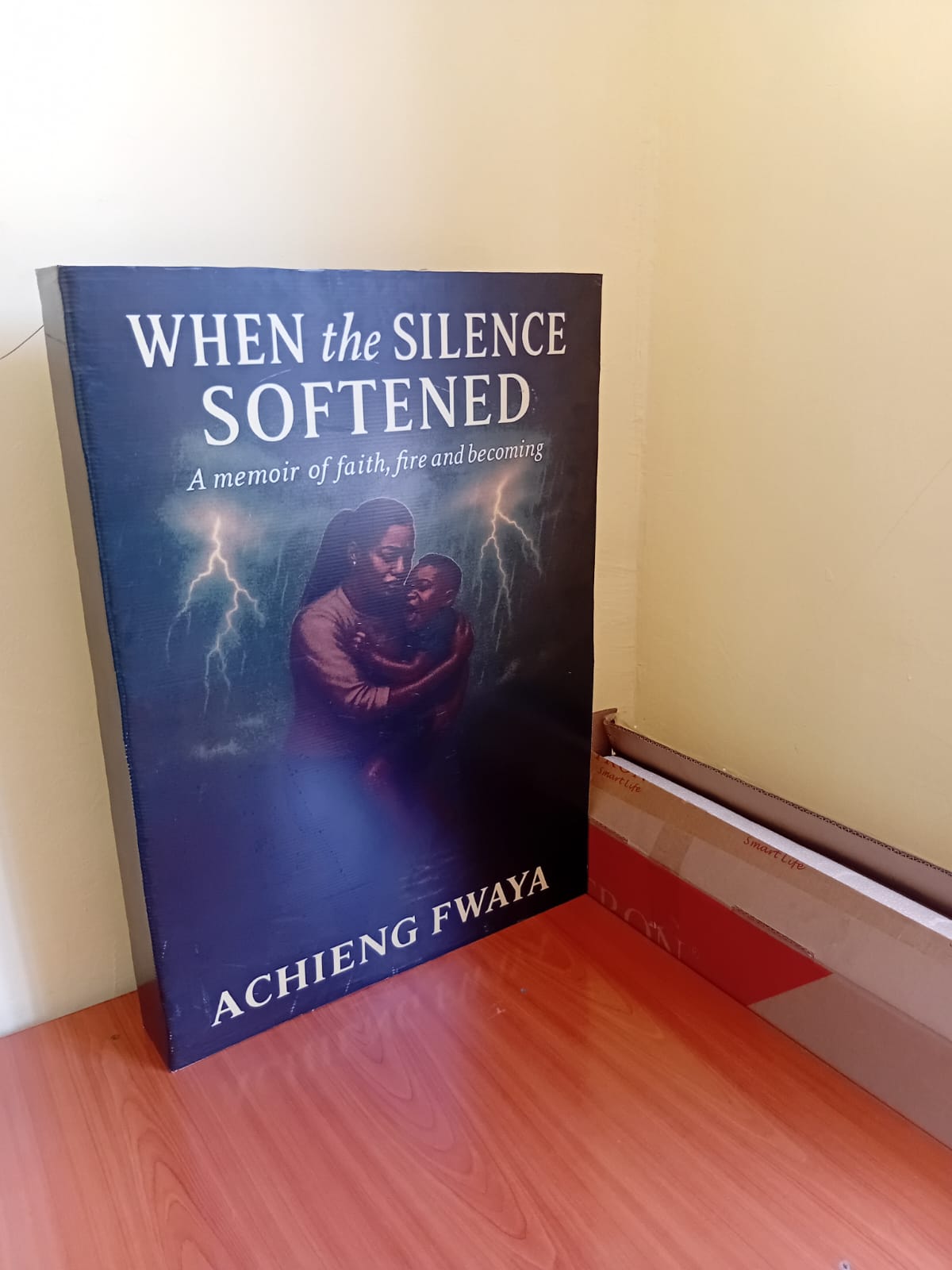
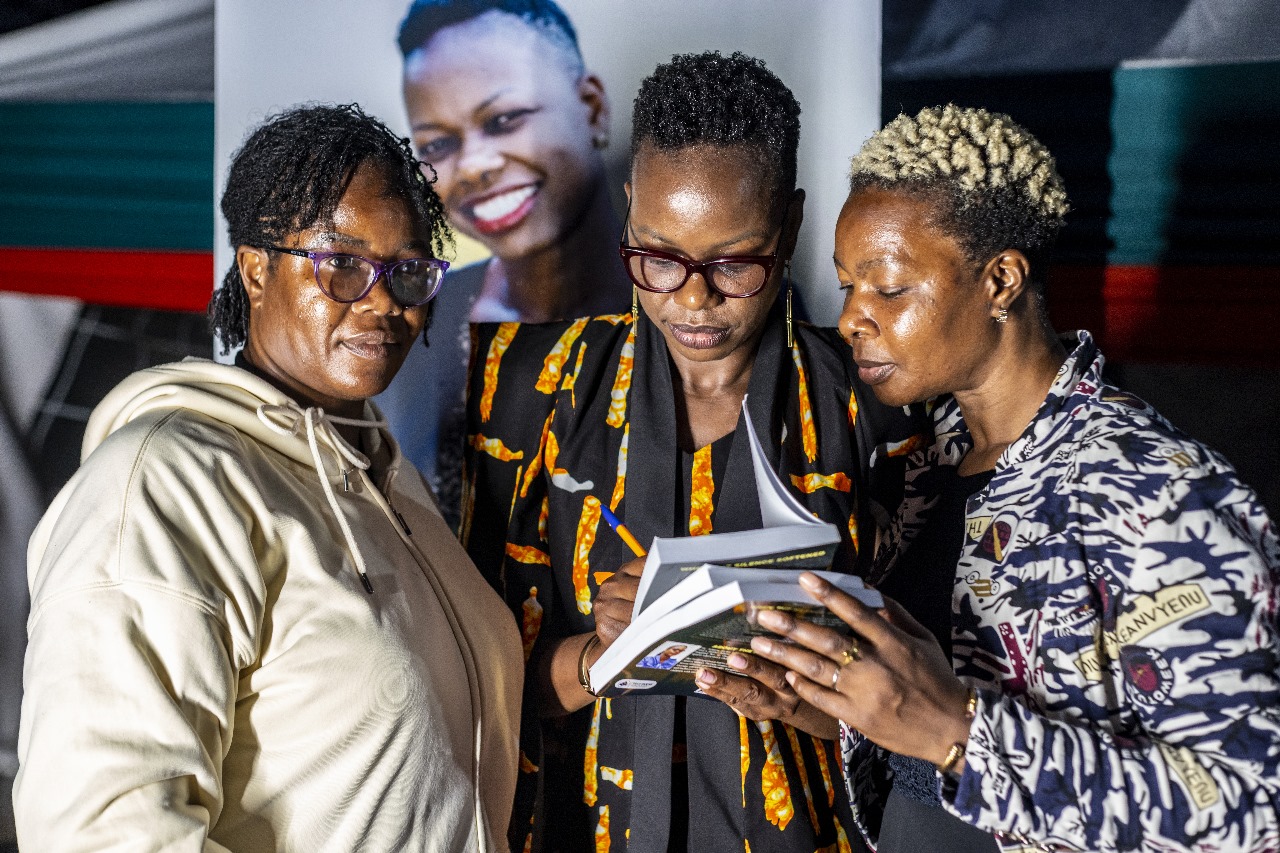
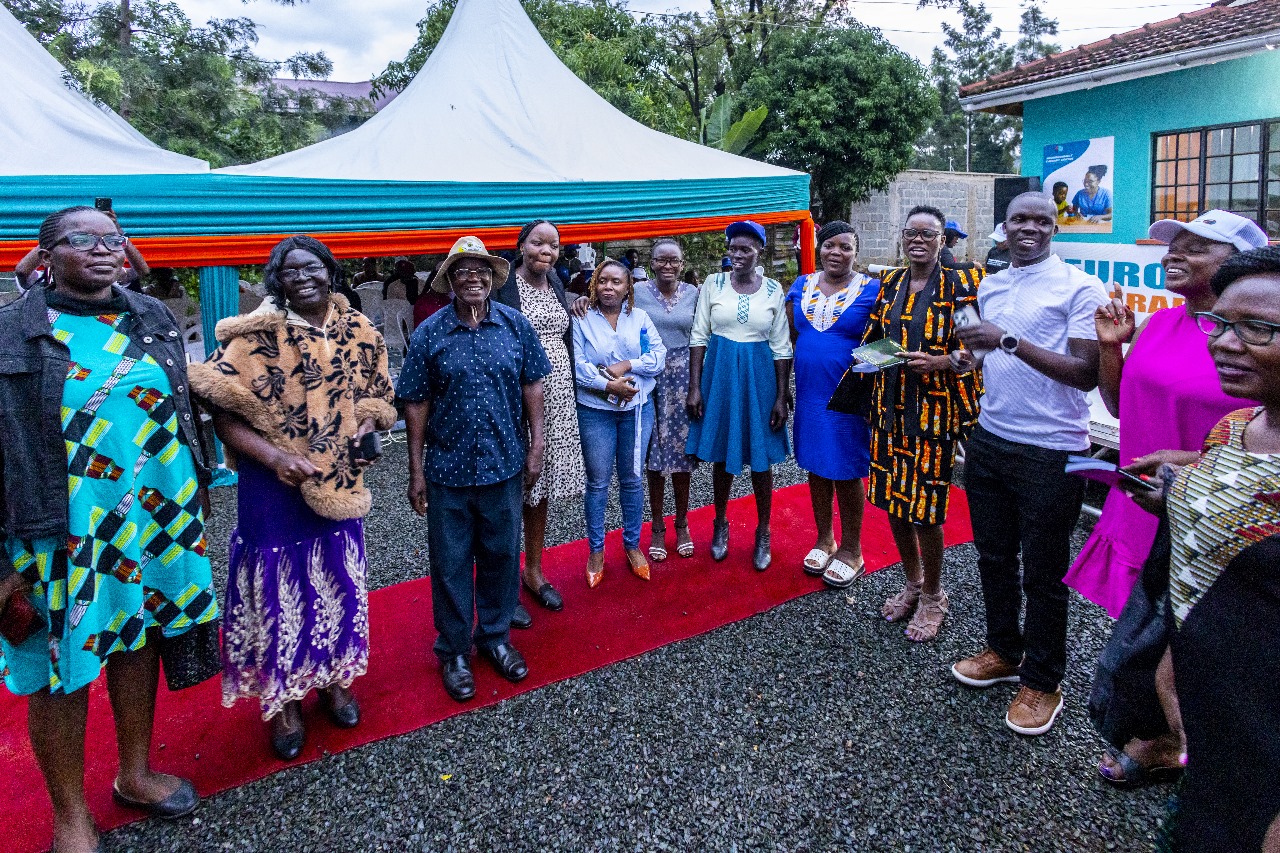
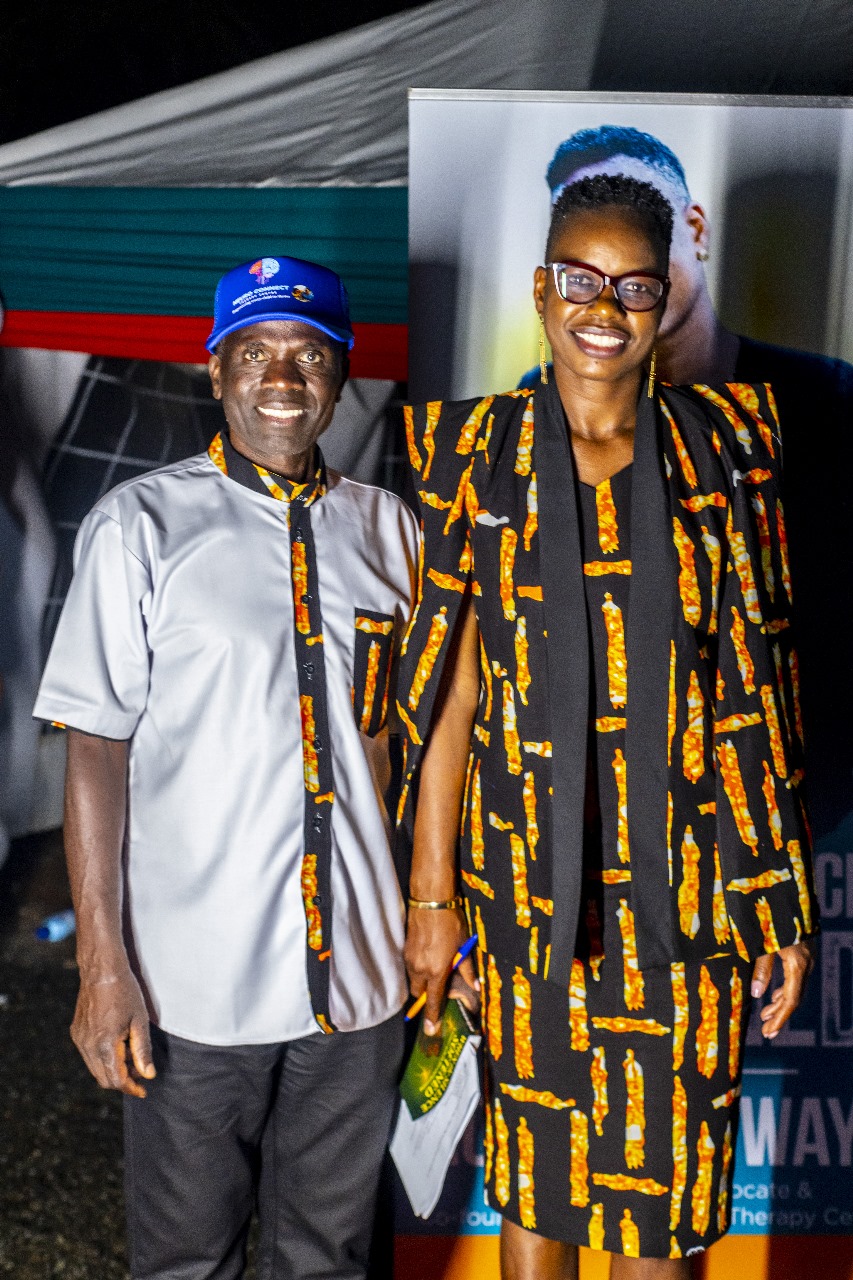
Parents, teachers, therapists, and friends gathered under the open sky with some clutching tissue while others holding hands as she launched her new book, ‘When the Silence Softened’.
“Today… my heart is full,” she began. “What you are witnessing is not just a book launch, it’s a rebirth. A celebration of grace, grit, and growth.”
Her words carried the weight of lived experience. Behind the calm composure stood a mother who had walked through years of confusion, stigma, and heartbreak and emerged with a message that is reshaping how Kenya understands autism and neurodiversity.
Dr Fwaya’s journey began a decade ago when she noticed her son, Kennedy, wasn’t responding like other children. “The world had words for it ~ autism,” she recalled. “But all I had were questions that had no answers.”
At the time, there were few local specialists, and stigma was rife. She moved from hospital to hospital, visiting many schools, only to be turned away repeatedly.
“In Western, Nyanza, and Rift Valley, we have no resident speech therapist. At NeuroConnect, we had to hire one to take care of such cases.”
Her voice wavered as she described moments of despair. “Sometimes when I was tired and depressed, I would just find a place to sleep and forget I had a son, because I knew my family, especially my mother and my elder sister, were taking care of him. They were my strongest support system.”
Public spaces were no refuge either. “One day at a barber shop, my son got violent because of sensory sensitivity when he was being shaved,” she said. “People gathered and said demons were in my son. I stood outside the kinyozi, helpless.”
Even church was no longer safe. “Sometimes I stayed home because the congregants would stare at my son irritably, making me extremely uncomfortable.”
Kennedy, now ten, was eventually taken to the Neurogen Institute of Brain and Spine in Mumbai, India, where he received intensive neurorehabilitation. “For the first time, there was progress,” said Dr Fwaya. “But when we returned home, the harsh reality hit me again, the absence of accessible, high-quality neurorehabilitation services meant my child, and many others like him, were left without support.”
So she turned to writing. “When I started ‘When the Silence Softened’, I wasn’t writing to inspire anyone,” she said. “I was writing to breathe.” Each page became an outlet and eventually, a mission. “With every word, the pain softened… the silence softened… and purpose was born.”
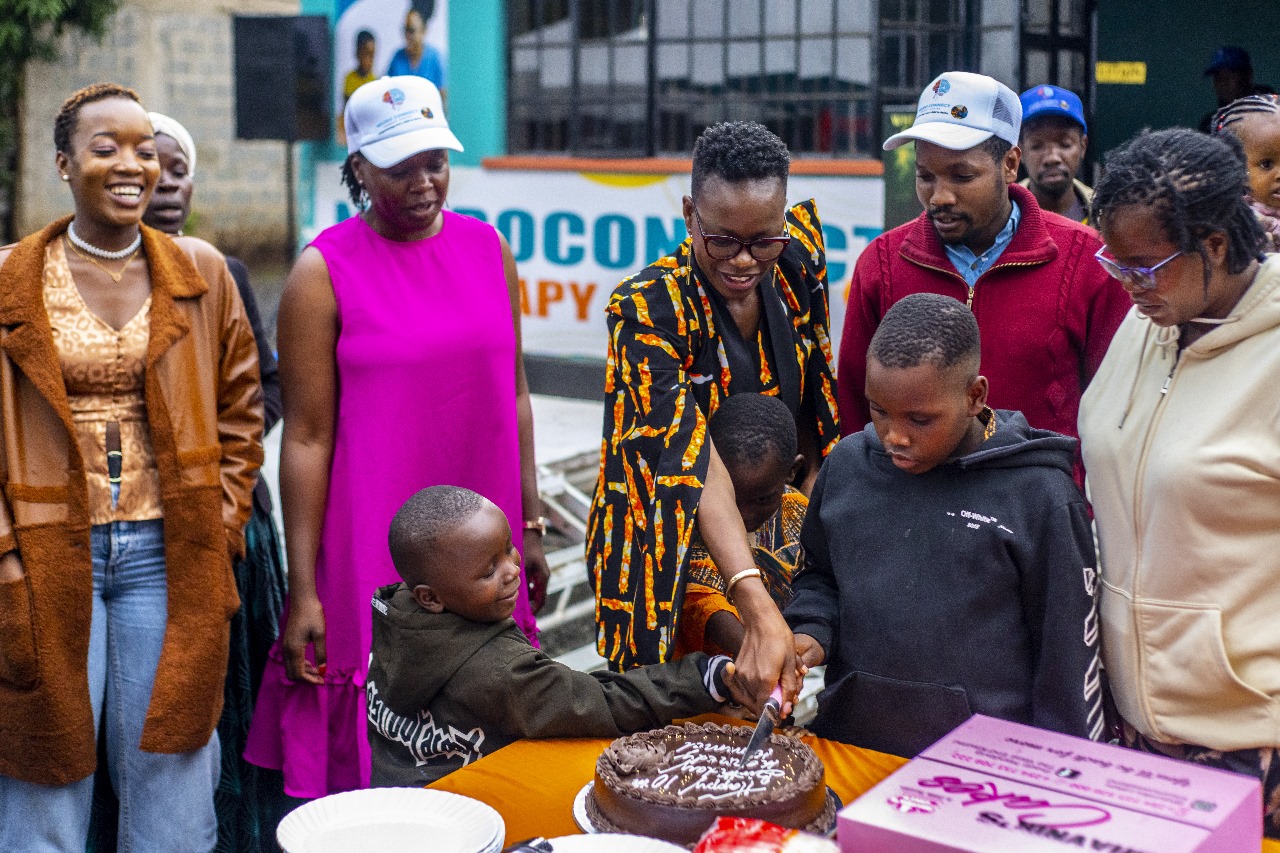
That purpose became the NeuroConnect Therapy Centre, officially launched on October 25, 2025, in Mamboleo, Kisumu that has now a beacon of hope for children with autism and other neuro-developmental conditions.
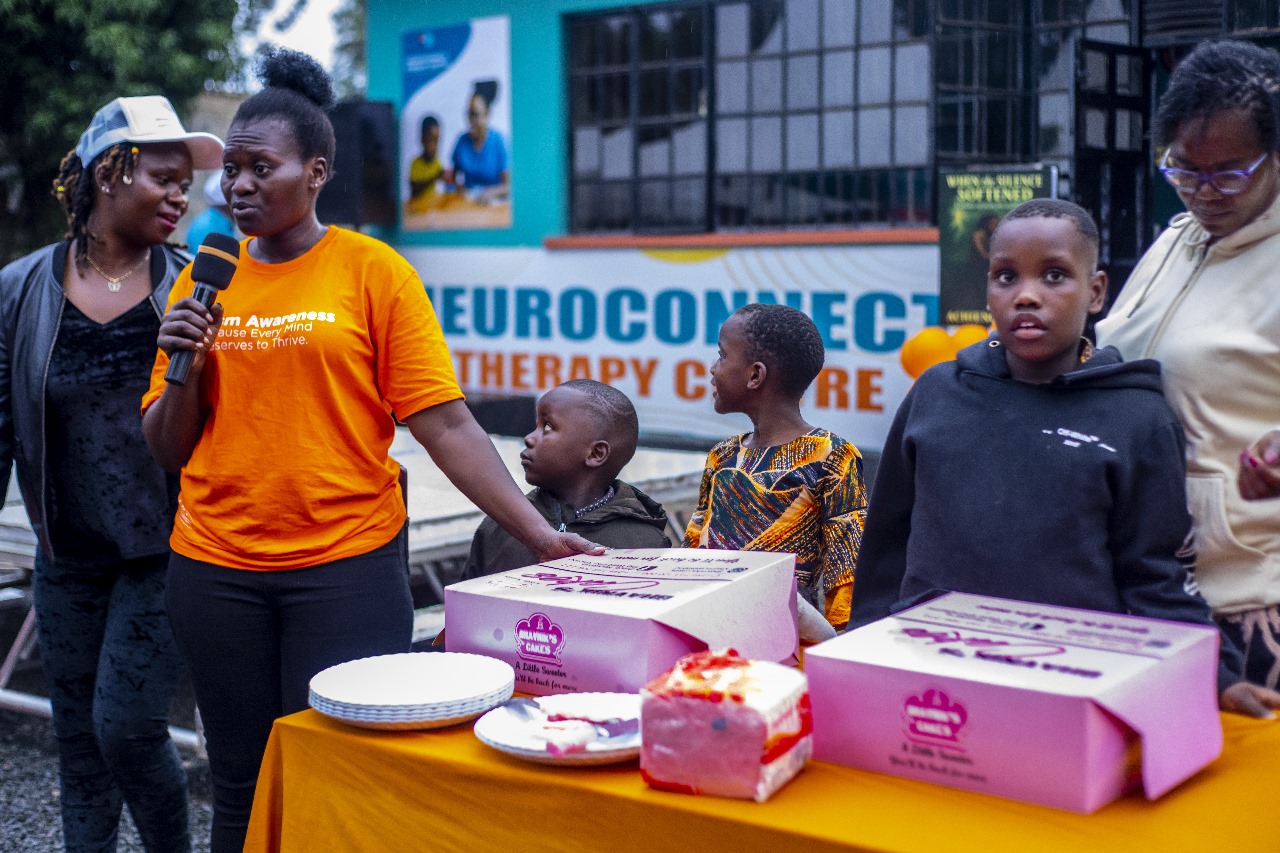
“What began as one mother’s struggle became a shared dream,” Dr Fwaya told the crowd. “I wanted a place where children could laugh freely, therapists could work passionately, and parents could finally exhale, knowing better that their child was understood.”
Besides Dr Fwaya, the vision of establishing the NeuroConnect Therapy Centre in Kisumu became a reality through the unwavering support and collaboration of its dedicated board members led by Dr. Jackton Omoto, Dr. Eunice Achieng Fwaya, Pst. Alfred Lubanga, Mr. Frederick Oluoch, Mr. Thadayo George Odhiambo, and Mr. Victor Were together with its directors, led by Dr. Tindi Felix, Dr. Tom Okwaroh, Dr. George Ougo, and Dr. Dominic Omollo, whose shared commitment, expertise, and leadership that turned a once distant dream into a centre of hope for children with neurodevelopmental disorders.
NeuroConnect offers a full range of therapies and inclusive education programs designed to meet each child’s unique needs.
The centre provides speech therapy at KSh2, 500 per session, focusing on language and communication development. But when undertaken daily for a month, the cost is discounted to up to Ksh833 per session. Occupational therapy goes at KSh1000 which helps the children strengthen fine motor and adaptive skills.
For emotional and social growth, play therapy sessions are available at KSh1000, while physiotherapy, also at KSh1000, supports coordination and mobility improvement.
The centre runs inclusive classrooms that provide peer-supportive and tailored learning environments, alongside special education support that offers individualized curriculum plans and progress tracking.
To promote holistic well-being, NeuroConnect also offers outdoor programs and deep tissue massage, each costing KSh1000.
For families seeking an all-inclusive approach, the centre provides a comprehensive therapy package at KSh50, 000, combining multidisciplinary care tailored to every child’s developmental journey.
All services, if subscribed for on a monthly basis, comes down to Ksh833 per therapy, per session.
Every session, Dr Fwaya says, is a statement: “We don’t fix children. We empower them. We don’t label differences. We celebrate them.”
Autism remains one of Kenya’s least understood conditions. The Autism Society of Kenya (ASK) estimates that nearly one in 25 children, which translates to about 2.2 million Kenyans are on the autism spectrum.
The World Health Organization (WHO) ranks Kenya 46th globally in autism prevalence, with boys four times more likely to be diagnosed than girls.
Yet despite the growing numbers, most services are concentrated in Nairobi. Rift Valley, Nyanza and Western Counties have little to no access to trained therapists, forcing parents to either travel long distances or go without help altogether.
Experts say early diagnosis, between 18 months and 3 years can significantly improve communication and social outcomes. But stigma, limited awareness, and lack of screening tools continue to delay intervention.
“We need a system that listens,” Dr. Fwaya said. “Our children are not broken, they are beautifully wired differently. It’s our duty to create systems that fit them, not force them to fit into ours.”
Behind NeuroConnect’s success is a team that shares her vision. Led by Sharon Amollo, fondly called Mama Tariq, the therapists and caregivers have built what Dr. Fwaya calls “a home of healing and hope.”
“To my team, family, and the founding board members, thank you for believing before it was visible,” she said. “You gave your time, your minds, and your hearts to shape what we see here today.”
Her gratitude extended to parents and caregivers who, like her, have faced judgment and exhaustion. “If your child struggles to speak or connect, please hear this, you are not failing. You are fighting. And that makes you powerful,” she said, her voice thick with emotion.