



By Aines Wangila, Kakamega
President William Ruto has unveiled a new digital platform, “Kuna Form,” aimed at connecting young Kenyans with government-backed business and job opportunities, in what he describes as part of a deliberate strategy to tackle the country’s youth unemployment crisis.
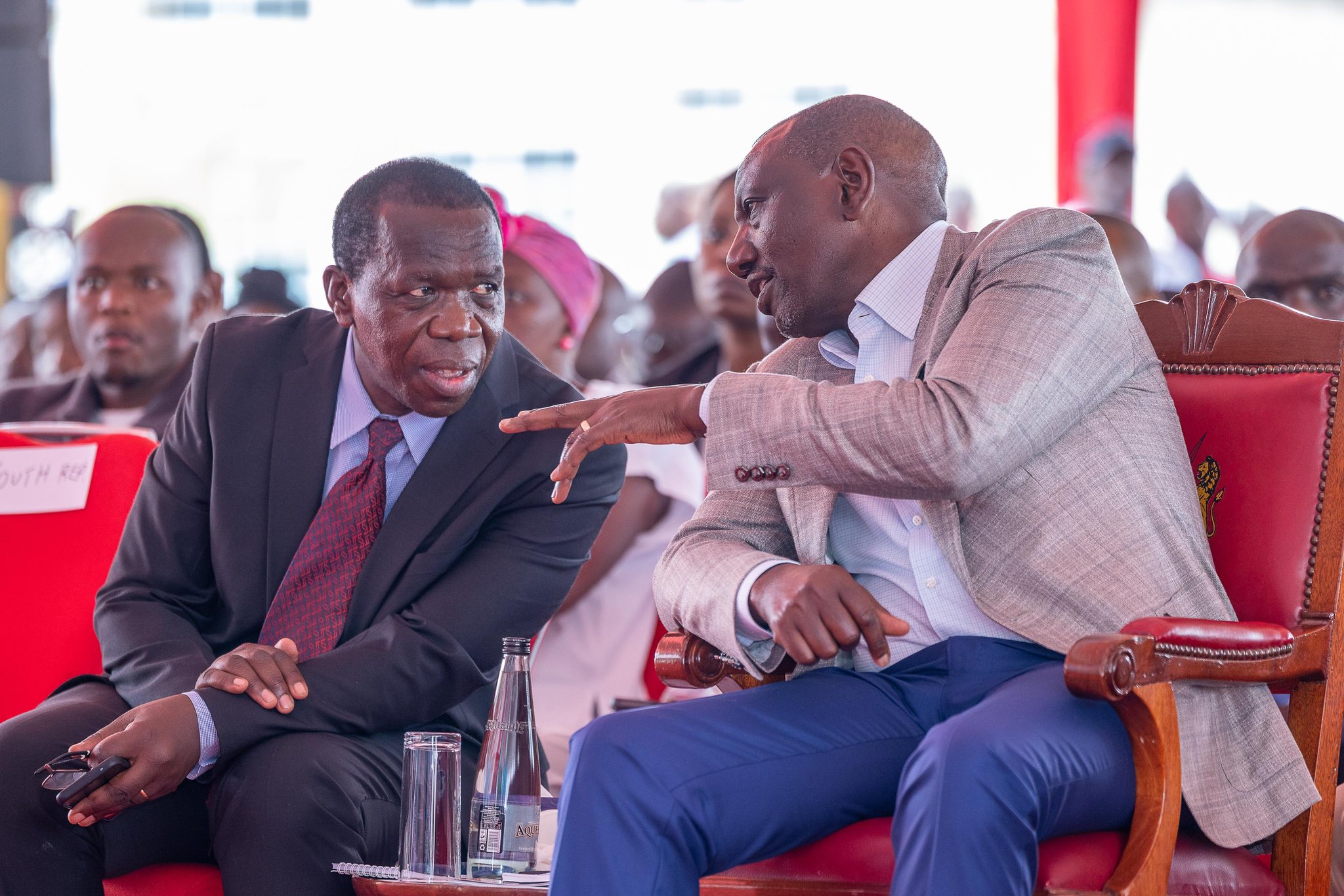
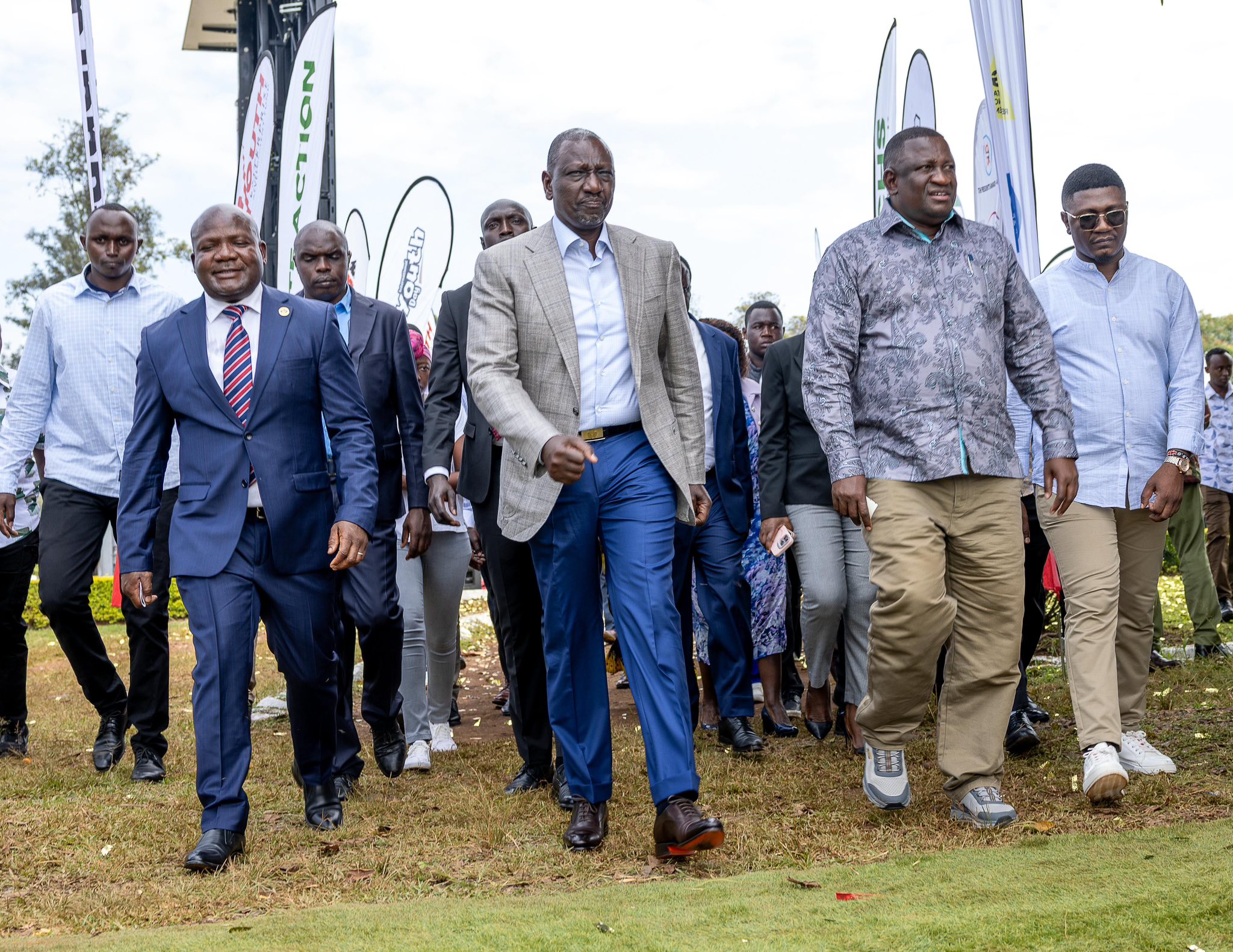
Speaking at Masinde Muliro University of Science and Technology (MMUST) in Kakamega County during International Youth Day celebrations, the president said the portal would serve as a one-stop shop for tenders, jobs, and government programmes. It is designed to simplify applications, promote transparency, and give young people a central hub for information and resources.
“The single biggest problem among young people is unemployment and lack of opportunities,” Mr Ruto said, noting that Kenya has lacked an intentional, structured job creation plan for decades.
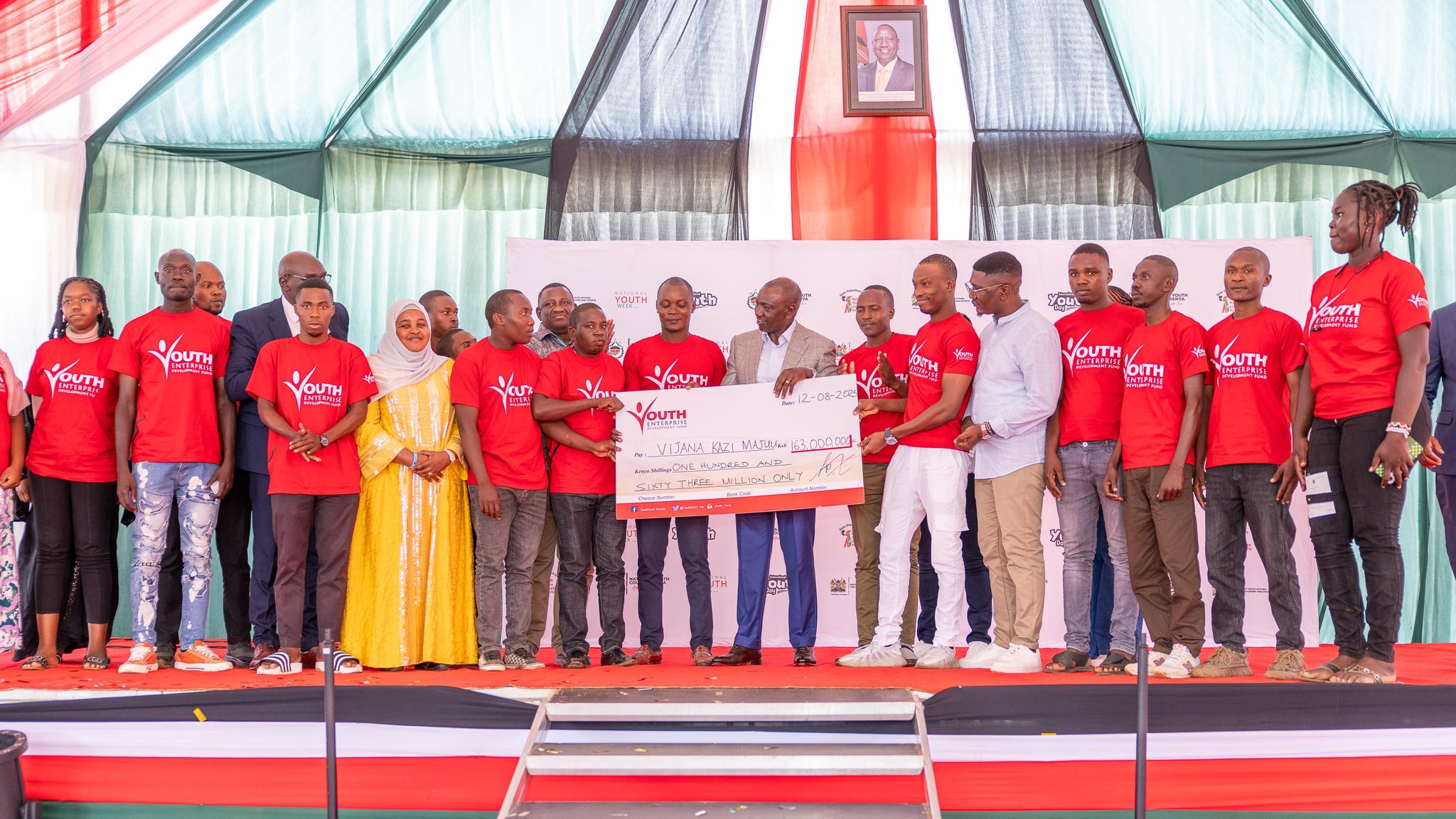
Alongside the launch, the president presented cheques worth KSh163 million to 816 young people who had secured jobs abroad under the government’s labour mobility programme. The funds are intended to cover travel and settlement costs, which often prevent qualified candidates from taking up overseas roles.
Officials say the programme is part of a broader plan to expand international job markets for Kenyans, boosting remittances and contributing to national economic growth.
Expanding opportunities across sectors
Mr Ruto outlined several flagship initiatives aimed at generating employment, including the Affordable Housing Programme, digital economy projects, climate action work schemes, and increased access to business financing.
He said 161,000 housing units are currently under construction, part of a pipeline of 700,000 homes expected to generate more than one million jobs. Around 320,000 people are already working on housing projects, with the number expected to double within two months.
To prepare young people for these roles, the government has advertised 4,000 internships in the building and construction sector, targeting 10,000 placements by January 2026.
Through the ClimateWorx programme, 45,000 young people are involved in regenerating Nairobi’s rivers and turning riparian areas into green corridors. The initiative is being expanded nationwide, with the workforce expected to grow to 113,000 through county-level roadworks projects.
Mr Ruto also announced the “Kandarasi Mtaani” scheme, which will employ 200,000 young people in labour-intensive housing and market construction projects.
Digital economy and global labour mobility
On the digital front, the president said fibre optic coverage has been expanded by 24,000 kilometres, 1,494 public Wi-Fi hotspots installed, and 316 digital hubs completed, with 404 more under construction. Around 1.9 million youth have been trained in digital skills, enabling 300,000 to secure online jobs.
Labour mobility is also being scaled up through bilateral agreements with countries such as Germany and the United Arab Emirates. In the past two and a half years, 420,000 Kenyans have secured overseas employment through the “Kazi Majuu” programme.
Supporting youth entrepreneurship
The government is also focusing on entrepreneurship and financial inclusion. The Hustler Fund has disbursed KSh72 billion to more than 26 million Kenyans, mobilising KSh5 billion in savings. The Uwezo Fund has financed travel costs for 225 young people, while the Youth Enterprise Development Fund has provided loans to help 2,271 youth secure international jobs.
A new National Youth Opportunities Towards Advancement (NYOTA) project will train 600,000 young people to access government tenders, support 110,000 entrepreneurs, and provide start-up capital to 100,000. The Kenya Jobs and Economic Transformation Project will support 42,000 enterprises and 600 clusters, while a Youth Entrepreneurship Investment Bank is to be launched this year with KSh9.75 billion in seed capital.
Mr Ruto also highlighted investments in Technical and Vocational Education and Training (TVET), with enrolment rising from 180,000 in 2018 to more than 700,000 today. The National Government Apprenticeship Opportunities programme aims to enrol two million youth in TVET to meet the annual demand for 300,000 skilled workers.
Local government support
Kakamega Governor Fernandes Barasa praised the president’s initiative, saying youth make up the majority of the population and need targeted support to thrive. He pointed to county-level programmes such as the Agripreneur Model, run with the National Agricultural Value Chain Development Project to integrate young people into farming, and the Access to Government Procurement Opportunities scheme for youth-owned enterprises.
Other county initiatives include the Governor’s Cup sports competition, micro-financing for youth-led businesses, and internship opportunities to provide practical work experience.
Governor Barasa also acknowledged national government support for projects in Kakamega, including the upgrading of Bukhungu Stadium, construction of a Level 6 hospital, the Affordable Housing Programme, and universal healthcare rollout.
Cabinet Secretary for Sports and Youth Affairs Salim Mvurya urged young people to seize the opportunities presented and to remain peaceful and law-abiding. “If anyone uses you to cause violence, please know you are not advancing your dream, you are helping others to advance theirs,” he said.
Cabinet Secretary for MSMEs Wycliffe Oparanya also encouraged youth to build strong foundations for their careers by tapping into government programmes.