


By Nelson Musungu, Bungoma
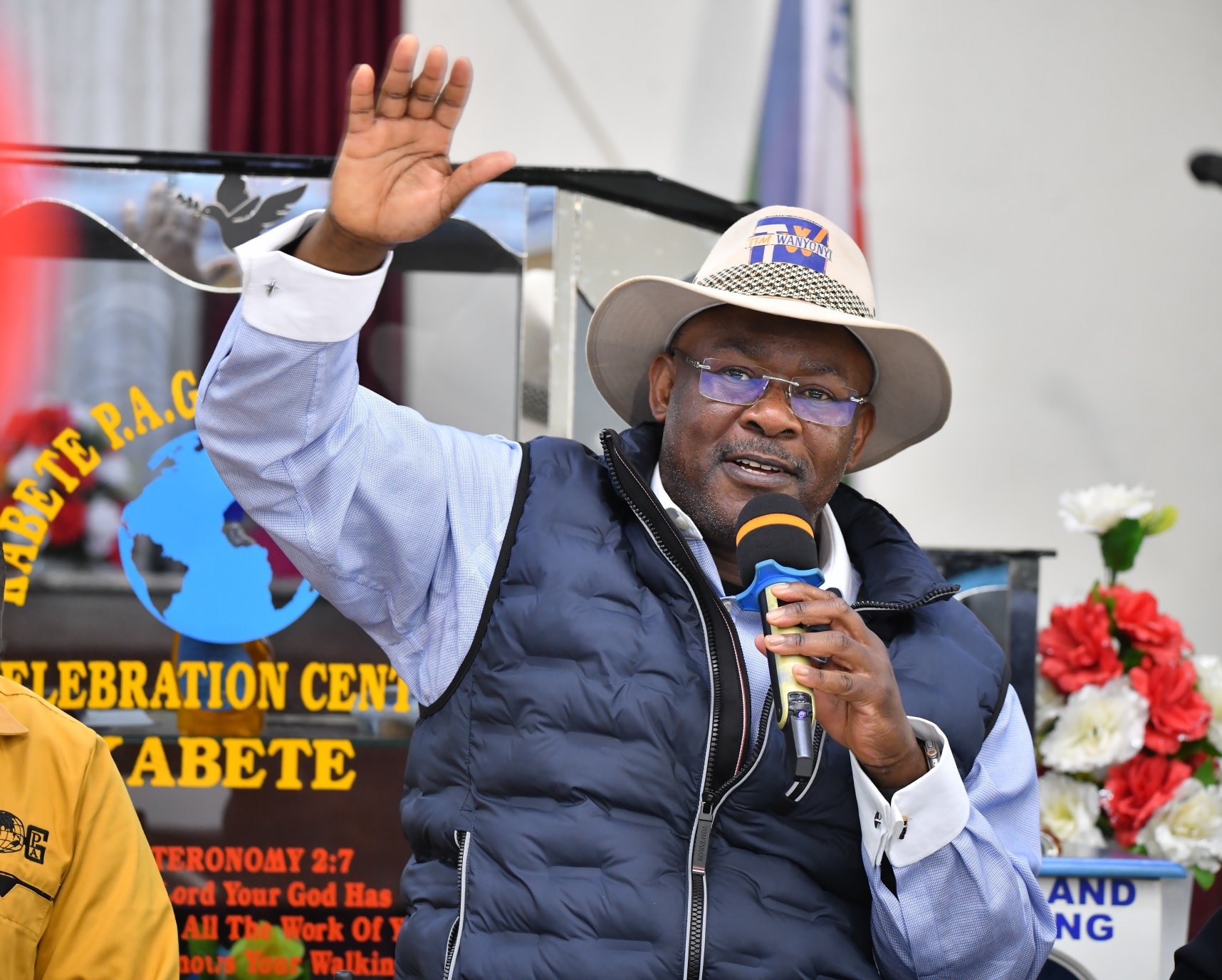
The entry of Westlands MP Tim Wanyonyi into the Bungoma governorship race has jolted the county’s political landscape, setting the stage for a high-stakes battle to succeed outgoing Governor Ken Lusaka.
Wanyonyi’s declaration a few weeks ago marked the beginning of what promises to be a fierce contest, one that could reshape political power dynamics.
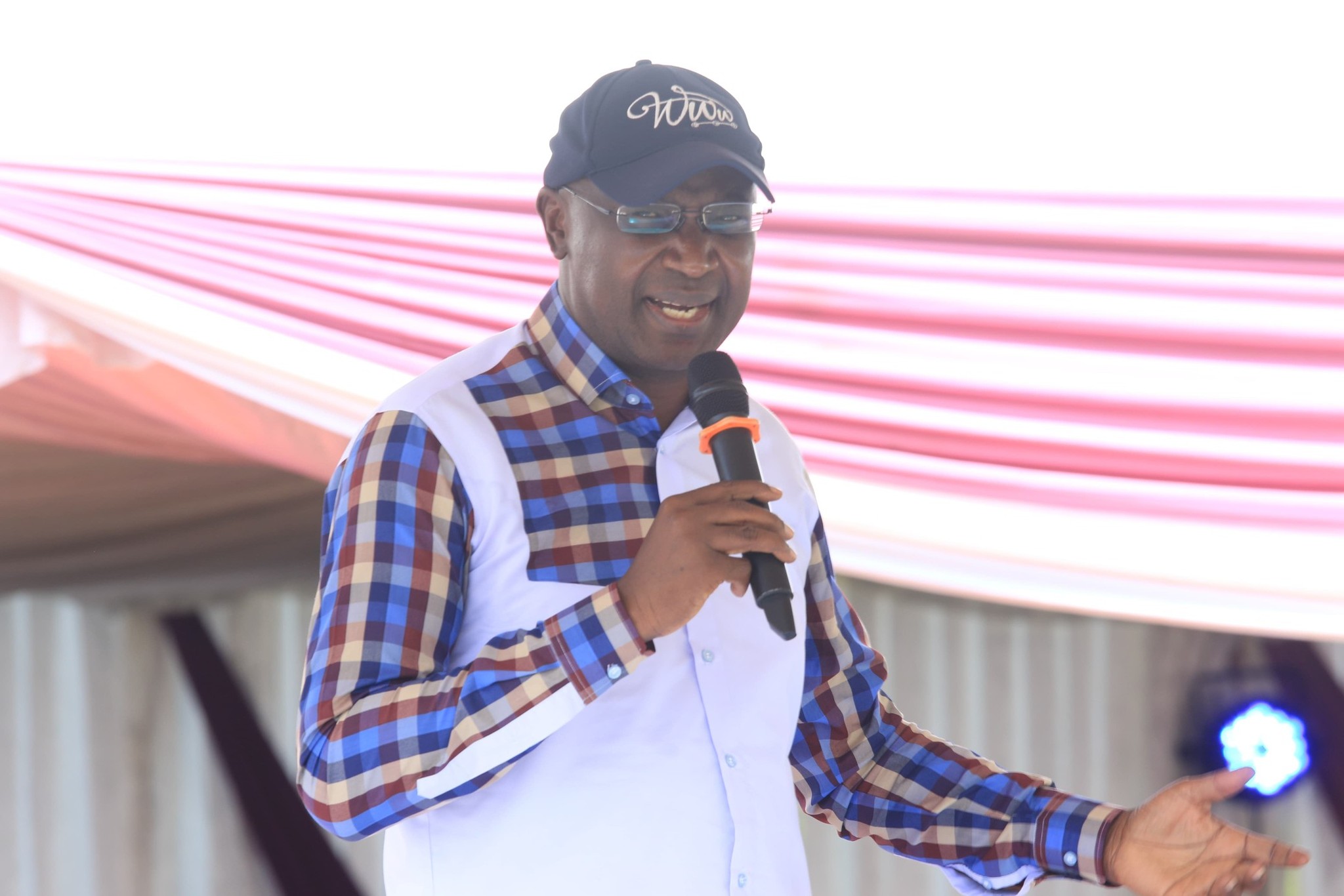
What was once a straightforward contest between two of Bungoma’s most combative and charismatic politicians – former Governor Wycliffe Wangamati and Kimilili MP Didmus Barasa, it has now evolved into a fierce three way battle. Wangamati and Mr Barasa have now been forced to confront a race they never saw coming.
“I’ve come here to apply for a job, as your next governor in 2027. You are my bosses… “When you give me the job, I will give you the service you have been longing for since the advent of devolution,” ~ Tim Wanyonyi
Wanyonyi, a three-term legislator under the ODM party and a respected figure in Nairobi politics, while in a meet the people tour in Tongaren constituency on Saturday, he appealed to the voters to back his bid for a people-centered administration come 2027.
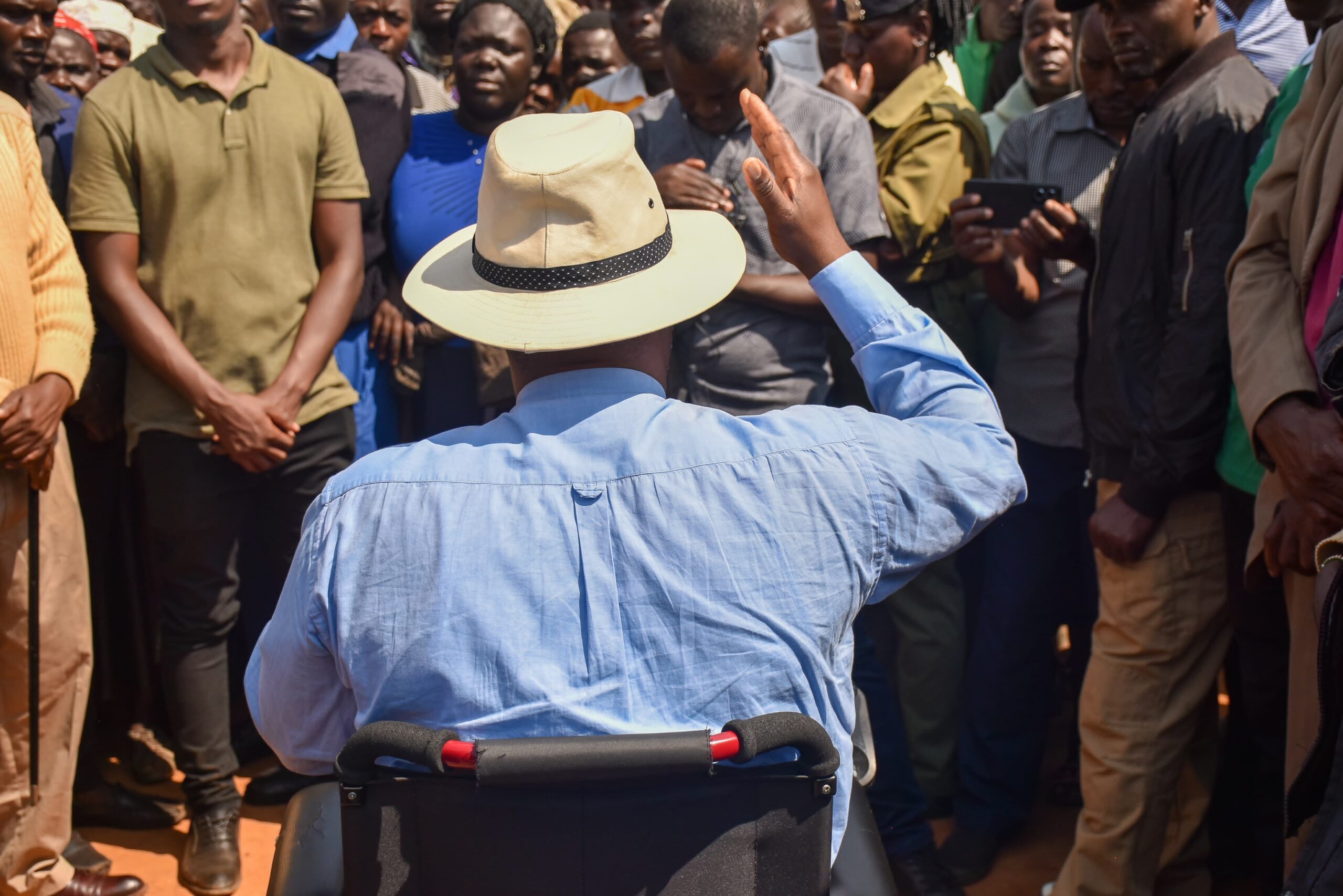
“I’ve come here to apply for a job, as your next governor in 2027. You are my bosses,” he told a mammoth crowd in a lively forum marked by song, dance, and fiery speeches. “When you give me the job, I will give you the service you have been longing for since the advent of devolution.”
Wangamati, who lost the seat to Lusaka in 2022, is plotting a comeback, banking on unfinished projects and residual support from his first term. Known for his technocratic style, Wangamati will likely run on a platform of continuing with his legacy by trying to reclaim the lost glory.
Barasa, on the other hand, has made no secret of his ambition to ascend to the county’s top seat. A close ally of President William Ruto, he is expected to ride on the United Democratic Alliance (UDA) wave, pitching himself as a grassroots leader who “speaks the language of the people”.
But Wanyonyi’s candidacy introduces a fresh dynamic. Though he has served in Nairobi’s political circles for over a decade, his Bungoma roots and reputation for issue-based leadership may appeal to an electorate increasingly fatigued by political theatrics and empty promises.
Political observers say Bungoma’s 2027 race will test not only personalities but ideologies-between transactional politics and transformational leadership.
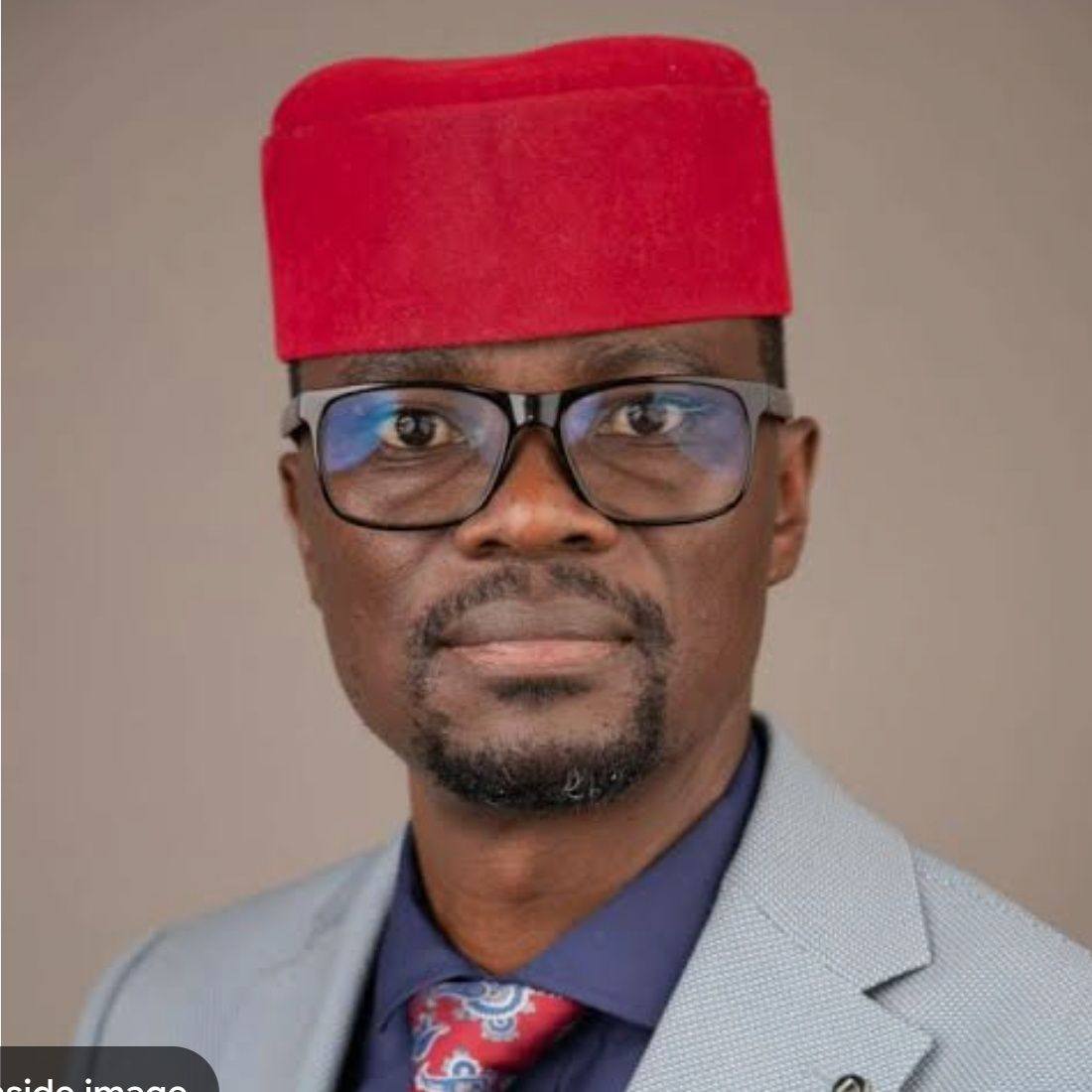
At the Tongaren rally, Wanyonyi struck a chord with young people, promising to place youth at the heart of his development agenda.
“There is no leader who has truly helped the youth of Bungoma,” lamented Oliver Juma, a boda boda rider. “We want opportunities, not handouts. We’re tired of being used for campaigns and then forgotten.”
Wanyonyi pledged to work with young people on economic empowerment programmes, saying that future county decisions must reflect the aspirations of the youth.
Tongaren MCA Wafula White publicly endorsed Wanyonyi, calling on others to rally behind his vision.
“We are walking with you,” White said. “We are ready to go through the struggle to the end.”
With Wangamati touting his legacy, Barasa promising disruption, and Wanyonyi offering a people-first approach, Bungoma voters will have to decide which vision they trust and which leader can deliver where others have faltered.