


By Faith Anene, Kakamega
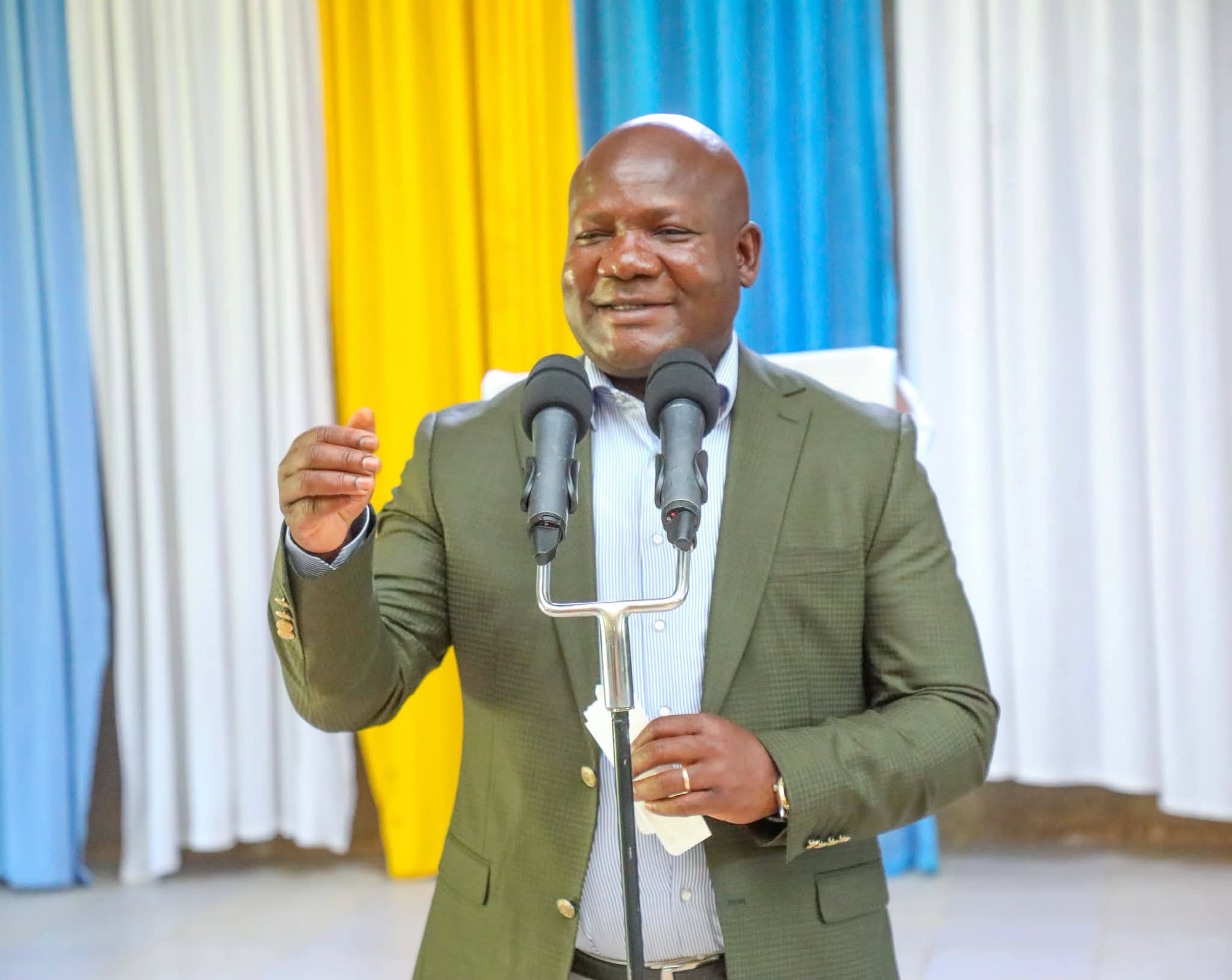
Kakamega Governor Fernandes Barasa has urged political leaders to keep politics out of the Government-to-Government (G-to-G) fuel importation programme, warning that the petroleum sector has far-reaching implications for Kenya’s economy.
Barasa, who chairs the Finance and Planning Committee of the Council of Governors, said the debate over fuel imports should be guided by facts and handled through the relevant government institutions rather than political exchanges.
Speaking after attending a Sunday church service in Lwandeti, Lugari, the governor appeared to respond to recent remarks by Kiharu MP Ndindi Nyoro, who has questioned the G-to-G arrangement and made allegations about individuals he claims have benefited from the system.
Nyoro made the claims on Saturday during a political meeting in Njiru, Kasarani, amid renewed debate over the fuel importation arrangement. He alleged that brokers linked to the G-to-G system were enriching themselves and also linked the issue to Kenya’s oil resources in Turkana. The allegations have not been independently established.
The controversy was reignited after Ugandan President Yoweri Museveni said his government had been alerted by an unnamed Kenyan senator that Uganda was procuring petroleum products through intermediaries in Kenya.
Museveni said Uganda subsequently reviewed its procurement arrangements and moved towards more direct sourcing, remarks that have since generated competing interpretations in Kenya.
Barasa, however, cautioned political leaders against turning the fuel debate into a political contest.
“I have a message for Hon Ndindi Nyoro. The other day, I heard him making a number of statements concerning the Government-to-Government system of importing fuel.
“I want to tell Hon Ndindi Nyoro and those who support his position to keep politics out of the fuel importation issue.”
The governor said the current administration had introduced the G-to-G arrangement to address challenges in the petroleum sector and called for the programme to be assessed based on its economic implications.
“We know that the current government has put in place a clear G-to-G arrangement aimed at addressing challenges in the fuel sector,” he said.
Barasa said fuel prices have a direct bearing on economic activity and government development programmes, including road construction and other infrastructure projects.
“As the chairman of the Finance and Planning Committee, I understand the impact of fuel prices on the economy. The cost of fuel affects economic activities, road construction and infrastructure development,” he said.
“Fuel is an issue that we must take seriously because of its wider impact on the economy.”
He called on institutions responsible for the petroleum sector to provide comprehensive responses to questions being raised over the fuel importation system, saying Kenyans deserved clear information on the matter.
His remarks come amid renewed public scrutiny of the G-to-G arrangement, with motorists and other stakeholders calling for greater transparency over the procurement, pricing and distribution of petroleum products.
The Motorists Association of Kenya has called for a forensic audit of the arrangement, including disclosure of intermediaries, contracts, commissions and pricing mechanisms.
The controversy has also drawn a response from President William Ruto’s economic advisers. Council of Economic Advisers chair David Ndii has argued that Museveni was referring to an earlier procurement system, saying Kenya’s current arrangement involves oil marketing companies buying directly from Gulf-based national oil companies.
Barasa maintained that political leaders should allow the relevant institutions to provide answers while avoiding rhetoric that could further complicate an issue with direct consequences for ordinary Kenyans.
“Let us stop politicising the G-to-G programme on fuel,” he said.