



By Bradley Nandasaba, Nairobi
Kenya is facing the prospect of a food deficit after below-average rainfall in recent months triggered widespread crop failure in cereal-producing regions, with national harvests projected to decline by between 30 and 40 per cent this year.
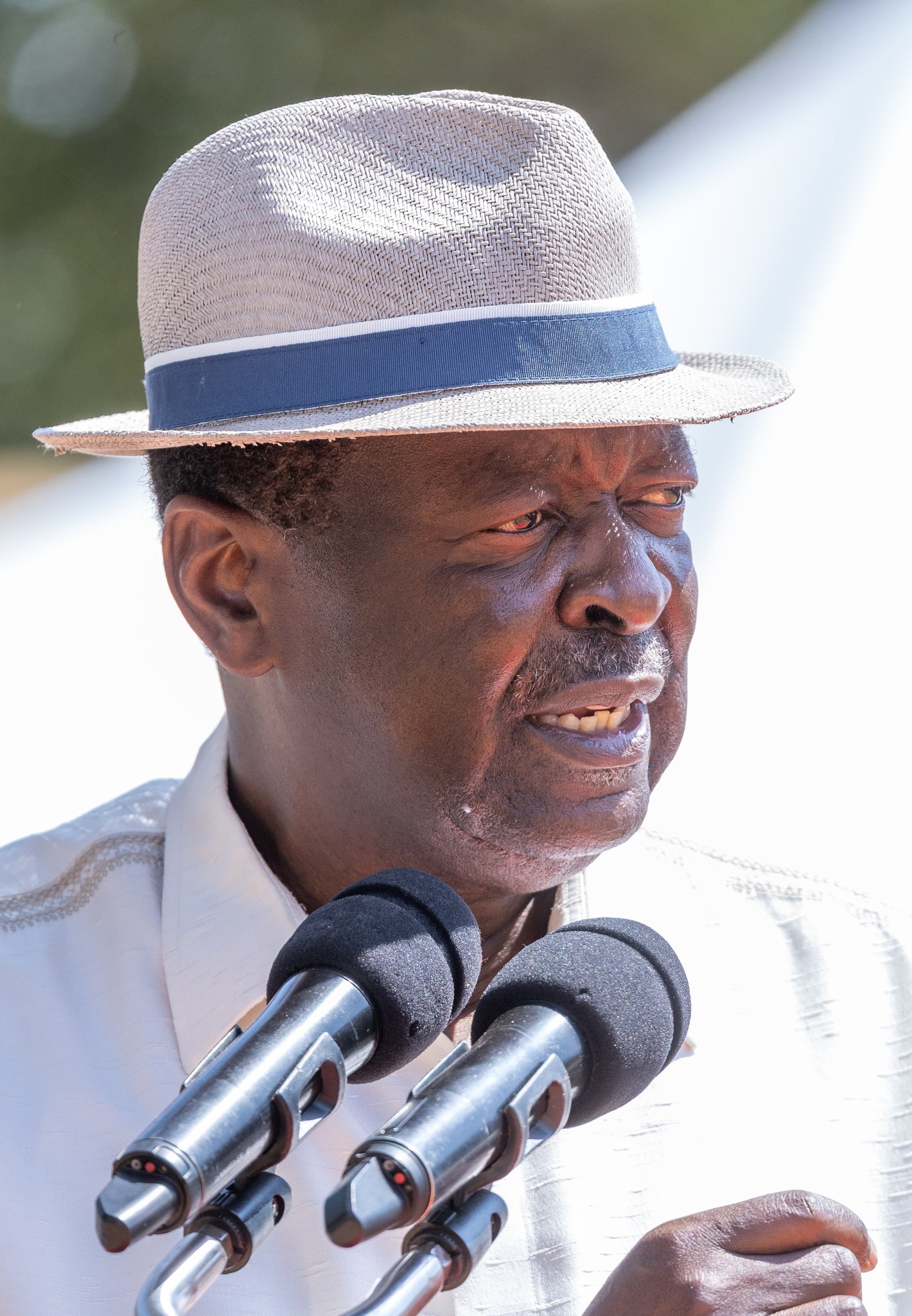
Prime Cabinet Secretary Musalia Mudavadi said the government was preparing for the potential shortfall as the country also braces for the possibility of El Niño or unusually wet conditions between October 2026 and January 2027.
“In the recent months, Kenya has experienced below-average rainfall, especially in our cereal-producing regions, resulting in widespread crop failure, with national harvest projections indicating a 30% to 40% decline in food production this year,” Mudavadi said.
Addressing the diplomatic corps in Nairobi, Mudavadi said poor rainfall had already affected food production, raising concerns over the country’s ability to meet domestic demand.
“In the recent months, Kenya has experienced below-average rainfall, especially in our cereal-producing regions, resulting in widespread crop failure, with national harvest projections indicating a 30% to 40% decline in food production this year,” Mudavadi said.
The government is considering importing maize to supplement local production, maintain adequate market supplies and cushion consumers against possible price distortions.
Mudavadi said maize imports could become necessary to address the anticipated food deficit and ensure continued availability in the market.
The government has also moved to support farmers by reducing the price of subsidised fertiliser to Sh2,000 for a 50-kilogramme bag and meeting half the cost of certified maize seed.
At the same time, the government is scaling up investment in irrigation as part of efforts to strengthen food production and reduce the country’s dependence on increasingly unpredictable rainfall.
The food-security challenge comes against the backdrop of changing weather patterns, with the government warning of a strong likelihood of El Niño or unusually wet conditions between October and January.

Mudavadi said a Cabinet committee chaired by the Deputy President was coordinating national preparedness for the anticipated weather conditions.
The government is also seeking greater cooperation with international partners on weather forecasting, irrigation and post-harvest storage as it prepares for possible climate-related disruptions.
Kenya is further leading negotiations towards a Protocol on Drought Management while pushing for increased international financing for drought resilience and climate adaptation.
Mudavadi said the country’s experience with recurrent droughts had strengthened its case for greater international support to build resilience against climate-related shocks.