




By Mike Olindo, Kakamega
In the ever-shifting chessboard of Kenyan politics, alliances form and dissolve with breathtaking speed, and nowhere is this more evident than in Kakame ga County, where the 2027 gubernatorial contest is shaping into a political thriller of epic proportions.
The political landscape has been dramatically reshaped following the passing of ODM stalwart Raila Odinga, leaving his party fractured between those embracing the broad-based government with President William Ruto and those rallying under the Linda Mwananchi banner to oppose the Kenya Kwanza regime.
The National Political Earthquake
The death of Raila Odinga sent tectonic shocks through the political establishment. One faction of ODM, under acting party leader Oburu Odinga, advocates for formalizing their marriage with UDA.
Meanwhile, a breakaway faction led by Nairobi Senator Edwin Sifuna, Embakasi East MP Babu Owino, Siaya Senator James Orengo, and Vihiga Senator Godfrey Osotsi has declared open opposition to Ruto’s administration under the Linda Mwananchi umbrella.
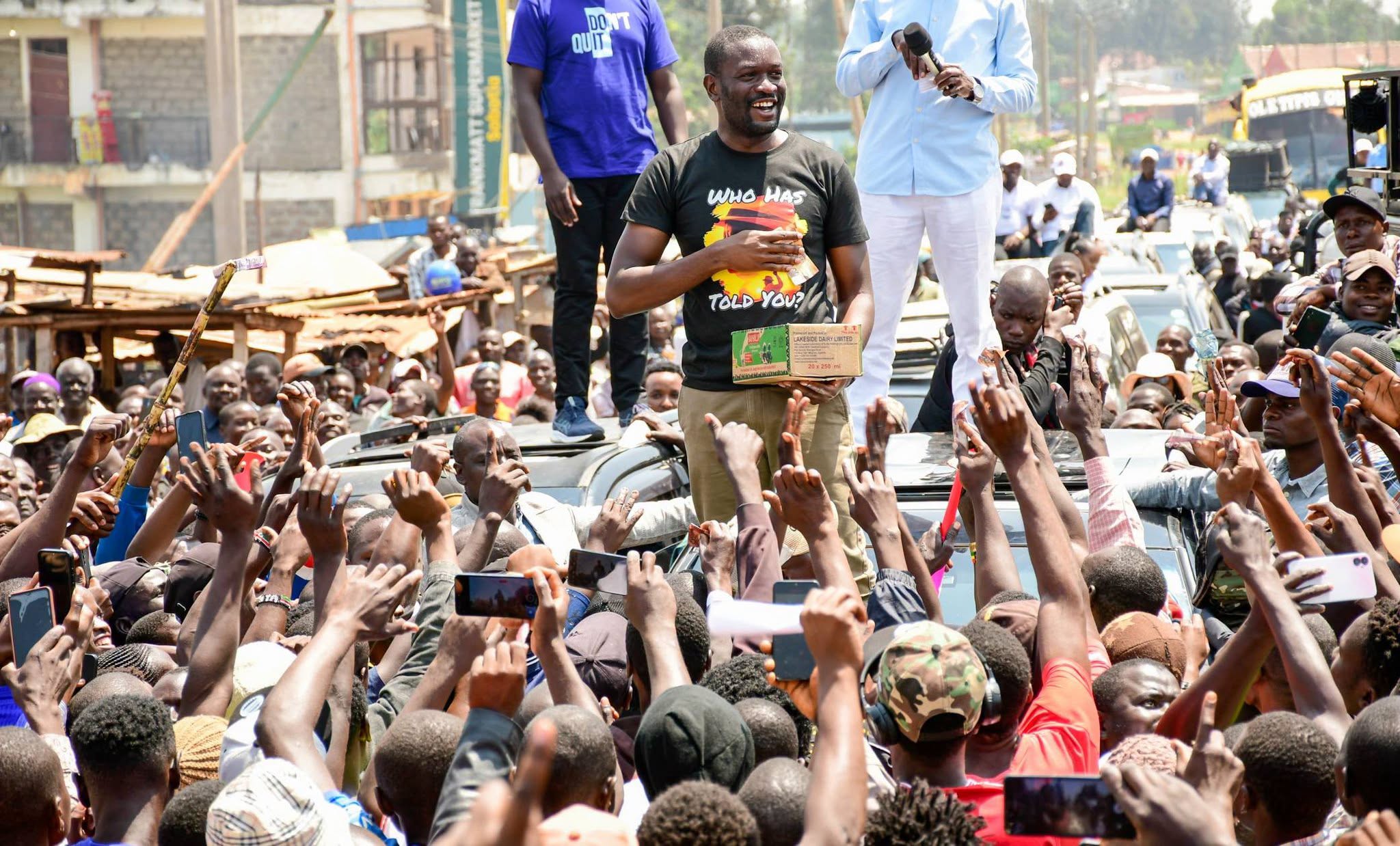
These national dynamics have profoundly shaped the contest for Kakamega’s top seat, where the incumbent Governor Fernandes Barasa—known by his moniker “Italang’i” (the lion), fights for political survival against a resurgent opposition determined to make him a one-term governor.
The 2022 Rematch That Never Was
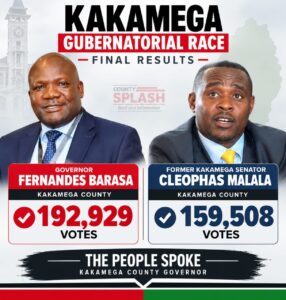
In 2022, Barasa secured victory with 192,929 votes against Senator Cleophas Malala’s 159,508 votes in a race that was postponed from August 9 to August 29 due to ballot paper mix-ups. What was expected to be a landslide for ODM transformed into a nail-biter, thanks to aggressive Kenya Kwanza campaigns.
Senator Boni Khalwale, popularly known as “the Bullfighter,” shelved his gubernatorial ambitions to back Malala, preventing a split in the Kenya Kwanza vote. Today, both Khalwale and Malala agree on one thing: “Barasa is a one-term governor.”
The Opposition’s Delicate Dance
Despite Khalwale declaring his candidacy, Malala has not withdrawn but has repeatedly signaled willingness to step aside. In a recent episode of his “Bonga na Malala” podcast, the former Mahiakalo MCA made his position crystal clear:
“If Khalwale and I vie for the gubernatorial seat, it’ll give our competitor an advantage amidst our division. I’ll do everything to ensure the united opposition fronts one candidate. Even if it means asking Rigathi Gachagua to allow me to come home and secure this gubernatorial victory on a Sifuna-affiliated party—or even Khalwale’s UPM—so that we get one candidate to face off with Barasa and send him home.”
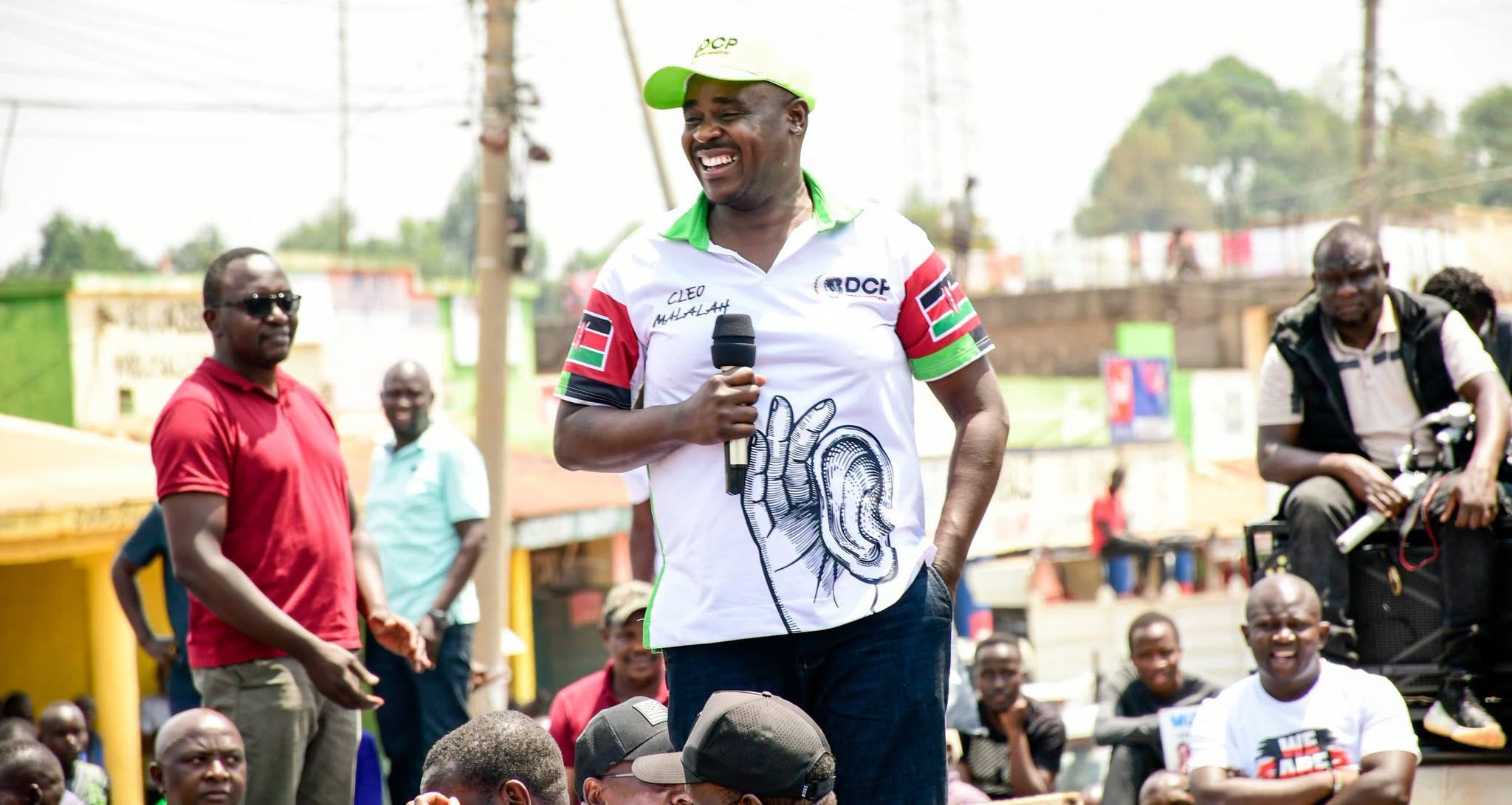
Malala expressed significant reservations about selling his candidature on a DCP ticket, acknowledging that the party is largely perceived as a Mount Kenya outfit, which could alienate Western Kenya voters. This pragmatic assessment has fueled his willingness to explore other political vehicles.
The former senator urged Linda Mwananchi proponents backing Khalwale and Sifuna to allow him and the current Kakamega Senator to chart a united path forward.
“I mean it. If Khalwale goes to Uji party or UPM I’ll follow him till we contest and settle on one of us. The one who wins will fly the flag, the one who loses supports Edwin Sifuna. Jack Wamboka and Vihiga Senator Godfrey Osotsi should focus on their home politics. Personally, I’ve declared we’ll work with Khalwale to secure the Kakamega seat,” Malala reiterated.
Khalwale’s Rising Stock
Should Khalwale make it to the ballot, he begins with formidable advantages. He commands strong support in his home turf of Shinyalu and Ikolomani, while Barasa’s bedrock remains the three Wanga constituencies of Mumias East, Mumias West, and Matungu.
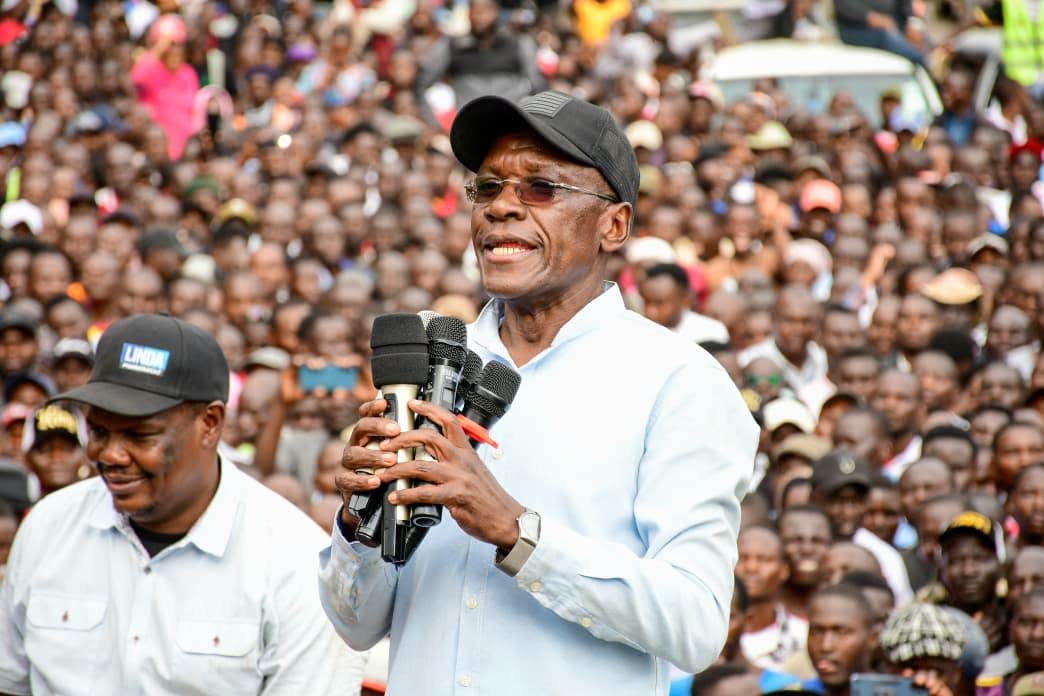
Khalwale’s popularity extends to Malava and Navakholo, and he may easily bank on the Isukha-Idakho vote to secure Lurambi. His political stock has risen dramatically, bolstered by endorsement from key Western leaders including Trans Nzoia Governor George Natembeya and MPs Majimbo Kalasinga (Kabuchai) and Jack Wamboka (Bumula)—both influential Sifuna allies in the region.
The two Sifuna lieutenants have been instrumental in projecting Khalwale as the united opposition’s best bet against Barasa, creating a powerful coalition that transcends party lines.
Oparanya’s Shadow Politics
Wycliffe Oparanya, Barasa’s predecessor and former ODM deputy party leader, has conspicuously withheld open support for his successor’s re-election bid. After falling out with Barasa over interference in ODM grassroots elections, rumors swirl that Oparanya is secretly fronting for Kakamega Woman Representative Elsie Muhanda.
Muhanda, who served under Oparanya as a Health and Trade Executive, has declared her gubernatorial ambition alongside Ikolomani MP Bernard Shinali. The former governor’s alleged backing of Muhanda represents a significant blow to Barasa, who once heavily relied on Oparanya’s endorsement and track record to win hearts in 2022.
The Fracturing ODM House
Barasa’s troubles extend beyond opposition unity. The ODM grassroots elections in 2025 exposed deep fissures when Barasa accused Oparanya of backing Lugari MP Nabii Nabwera for party chairman. Barasa’s demand for a mlolongo (queue) voting system against the standard secret ballot further inflamed tensions.

Nabii, backed by Woman Rep Elsie Muhanda, Khwisero MP Christopher Aseka, Ikolomani MP Bernard Shinali, Navakholo MP Emmanuel Wangwe, and Lurambi MP Bishop Titus Khamala, rubbished the results and declared himself the legitimate ODM Chairman.
This division has weakened Barasa’s grip, particularly in Kakamega North—comprising Lugari and Likuyani—where he enjoyed massive support in 2022 but now faces rebellion from Nabii and his deputy Governor Ayub Savula, who astonishingly announced his bid to unseat his boss in February 2026, hinting at a UDA ticket.
The Development Dilemma
Barasa’s development record has come under intense scrutiny. Residents contrast his tenure unfavorably with Oparanya’s legacy of reviving Kakamega County Referral Hospital, improving maternal care, upgrading feeder roads, and facelifting Bukhungu Stadium.
“Barasa has failed. Away from party politics, I struggle to point out what his outstanding or pet project is,” lamented Levi Mbayagi, a Lugari resident.
Tony Lucho, a bodaboda operator in Mang’uliro, Malava, told County Splash: “The last four years I haven’t felt what he has done. Just like some elected leaders here, he will be a one-term governor.”
Sifuna’s Shadow and the Presidential Factor
Barasa committed a political blunder when he became one of the first leaders to call for Sifuna’s ouster as ODM Secretary General while Luhyaland remained silent on the matter. Sifuna, who has buried the hatchet with Khalwale after their Senate differences, now powerfully backs the senator’s gubernatorial bid.
The political temperatures were palpable during the burial of Khalwale’s wife Gloria Sekeiyan in Malinya, where massive crowds were unforgiving to anyone questioning Sifuna’s presidential ambitions. Budalangi MP Raphael Wanjala and DAP-K leader Eugene Wamalwa faced hostile sentiments when they hesitated to endorse Sifuna’s bid, while Barasa notably attended only the condolence visit but skipped the burial where Khalwale reiterated that the current governor did not deserve another term.
The 2027 Equation
Political analyst Robert Wanzetse of Kakamega believes the race’s outcome hinges on opposition unity: “When Muhanda, Shinali, and Malala join hands, the race will be over for Barasa, who has faced resistance even from his Wanga backyard and MPs like Peter Salasya of Mumias. If they decide to vie independently, then Barasa will have a chance.”
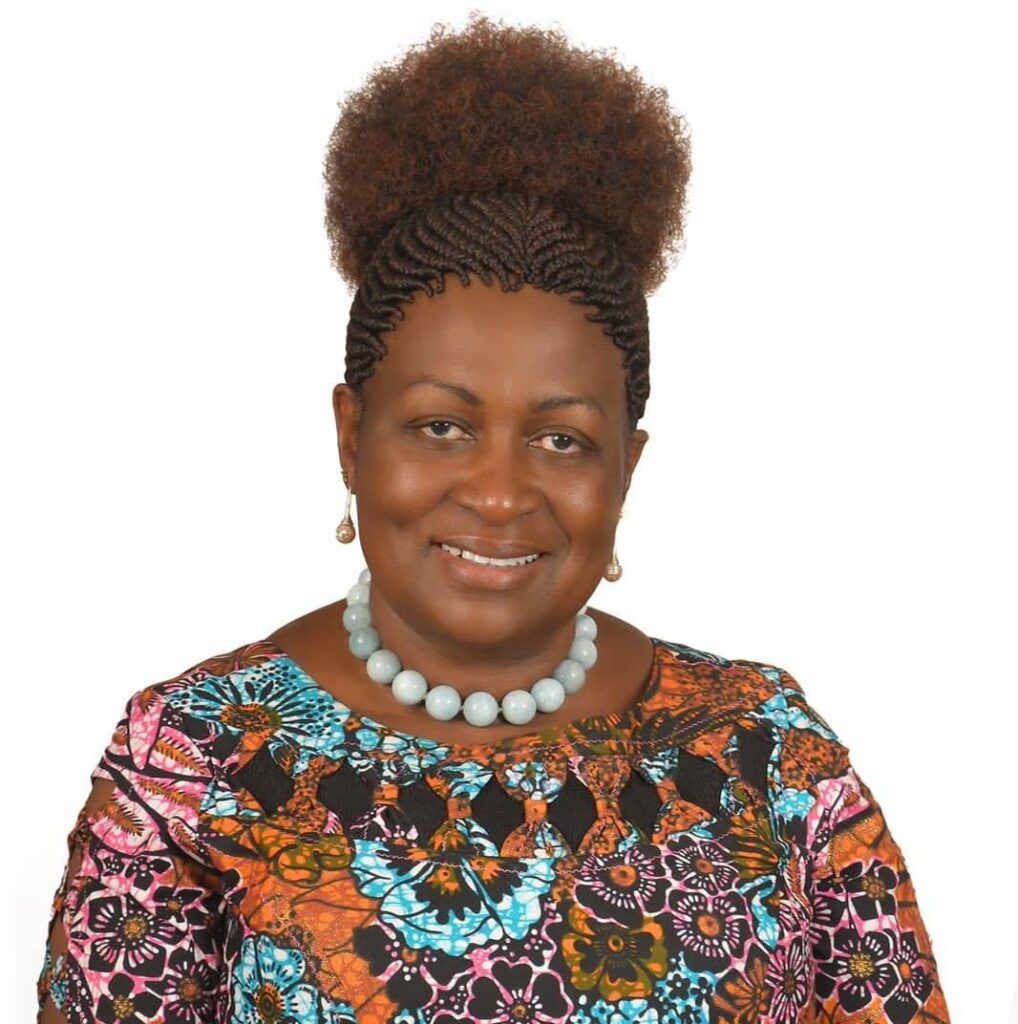
Other aspirants include Higher Education Principal Secretary Beatrice Inyangala, Sammy Omukoko, scholar and former minister Amukowa Anangwe, and Deputy Governor Ayub Savula—all eyeing the seat on various tickets, further complicating the calculus.
The Path Forward
The simmering distrust between opposition frontrunners remains a hurdle. While Malala has openly embraced Khalwale, the senator harbors suspicion about Malala’s ties with Gachagua’s DCP, noting that Malala only endorsed Sifuna’s presidential bid in Western Kenya and never once backed the Linda Mwananchi leader’s candidacy in his party leader’s presence.
However, Malala has assured Khalwale he is actively fronting Sifuna’s preference as the presidential flag bearer within DCP circles and urged the Bullfighter to focus on consolidating Western Kenya’s vote for their shared presidential candidate.
A possible truce to settle on popular and strategic flag bearers for the governor and deputy governor’s ticket will ultimately determine how fiery the contest becomes. The popularity of presidential candidates on both sides will be key in determining voter turnout and swing votes when Kakamega’s electorate decides their future in 2027.
For now, one thing remains certain: the Bullfighter and the Lion are on a collision course, and the Malala factor may well determine who emerges victorious from this political arena.