



By Nelson Musungu, Bungoma
The shrinking donor aid has forced Bungoma County to develop a new strategy in tackling the triple threat of rising new HIV infections, sexual and gender-based violence (SGBV) and teenage pregnancies.
According to the Ministry of Health data (2025), Bungoma’s HIV prevalence stands at 2.3 percent, lower than the national prevalence of 3.7 percent.
However, the county recorded 153 new HIV infections among adolescents and young people aged 15–24, compared to 7,307 cases nationally.
For years, donor agencies played a critical role in funding community-based programs that helped combat the triple threat. But their pulling out has left counties like Bungoma struggling to sustain interventions.
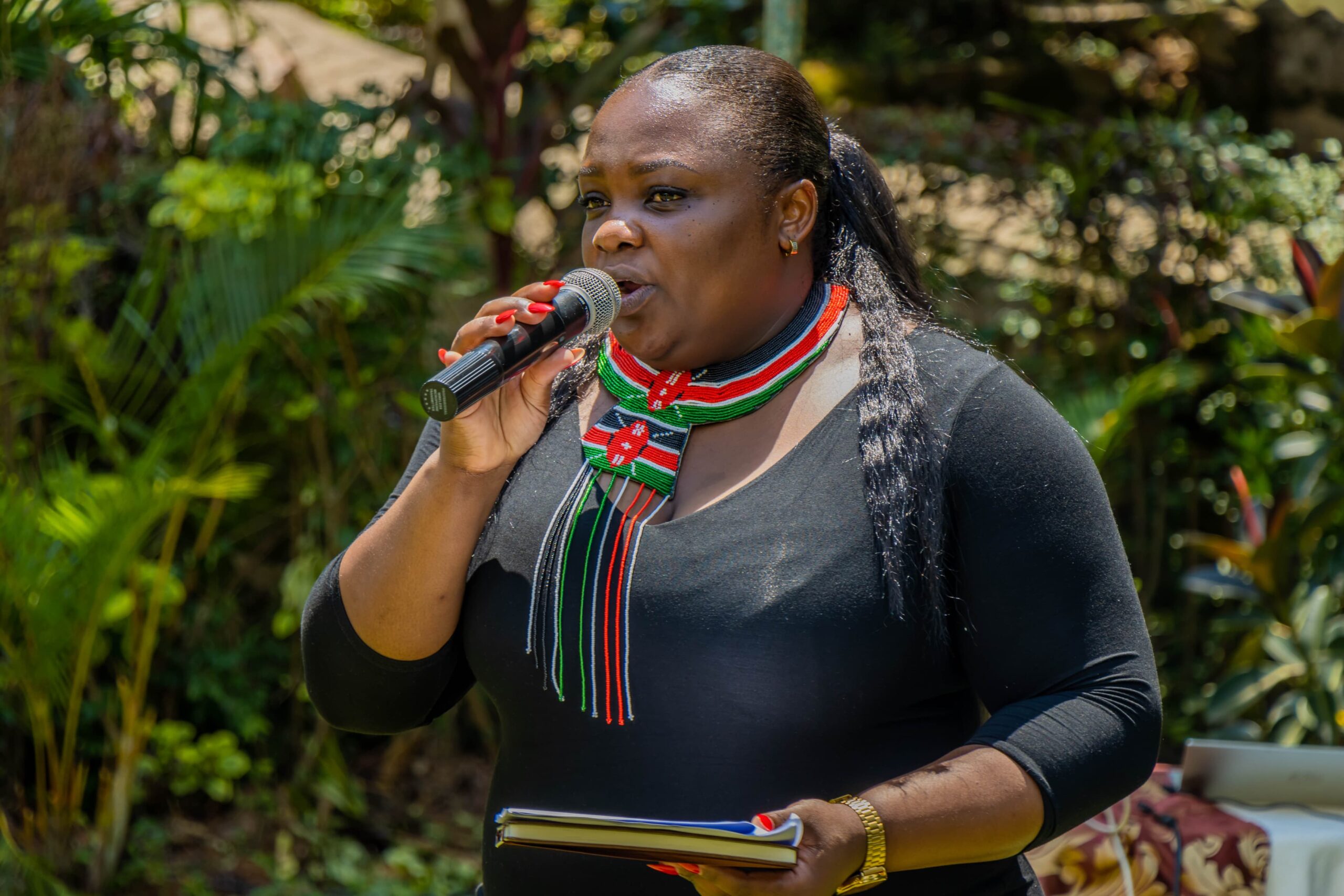
Speaking during a meeting that brought together school principals and guidance and counseling teachers, Bungoma County’s Special Programs Director Caren Wanyonyi said the county government had to act quickly to avoid reversing the progress made.
“This program was developed after most donors pulled out their support towards fighting the triple threat. Through partnerships with institutions like the Teachers Service Commission, the Ministry of Health and the Ministry of Education, we started the Equalize Program, which will go a long way in reducing these cases,” Wanyonyi said.
The first group of teachers under the Equalize Program was drawn from Bungoma South, Bungoma Central, Kimaeti and Bumula sub-counties for a sensitization forum, adding that the sensitization would reach to all sub- counties in Bungoma.
Wanyonyi emphasized that teachers are key to the program’s success since they spend most of their time with learners and can easily detect cases of vulnerability.
“The only way we can get to our students who are the main victims of the triple threat is through the gatekeepers and these are principals and guiding and counseling teachers,” she said.
She noted that equipping teachers with knowledge and tools would enable them to pass information down to learners, identify early warning signs and provide timely support to those at risk.
Bungoma County continues to rank among the most affected regions by the triple threat. Between 2016 and July 2023, the county recorded 9,089 cases of sexual and gender-based violence involving girls aged 10–17, compared to 18,510 cases nationally.
The 2022 Kenya Demographic Health Survey (KDHS) also revealed that 62 percent of Bungoma women have experienced physical or sexual violence.
In addition, the county contributes to 19 percent of all teenage pregnancies in Kenya, underscoring the urgency of sustained interventions.
Bungoma’s Deputy Director of Health and Sanitation, Dr. Emma Nyaboke, welcomed the launch of the Equalize Program, noting that the burden of the triple threat remains high among adolescents and young people.
“Looking at the age group of 10–19 years, these are children who are still in school and in their formative years. If we are able to sensitize them early, even before they fall victim to teenage pregnancies or HIV infections, we can empower them to make the right choices for themselves,” Dr. Nyaboke said.
She added that school-based engagements would help shape behavior, boost awareness and build resilience among young learners.