




By Faith Anene
Kakamega Governor Fernandes Barasa has called for heightened vigilance across Western Kenya following the reported Ebola-related death in Nairobi, urging residents to seek medical attention immediately if they develop suspicious symptoms.
Barasa said counties in the region must strengthen disease surveillance and preparedness while working closely with the national government to prevent any potential spread of the virus.
The governor said he would convene a meeting of Western Kenya governors and other leaders to review the region’s preparedness and agree on coordinated measures to deal with emerging health threats.
“We are asking our people to be vigilant. If you have any symptoms that you feel are unusual, please report to the nearest health facility,” Barasa said.
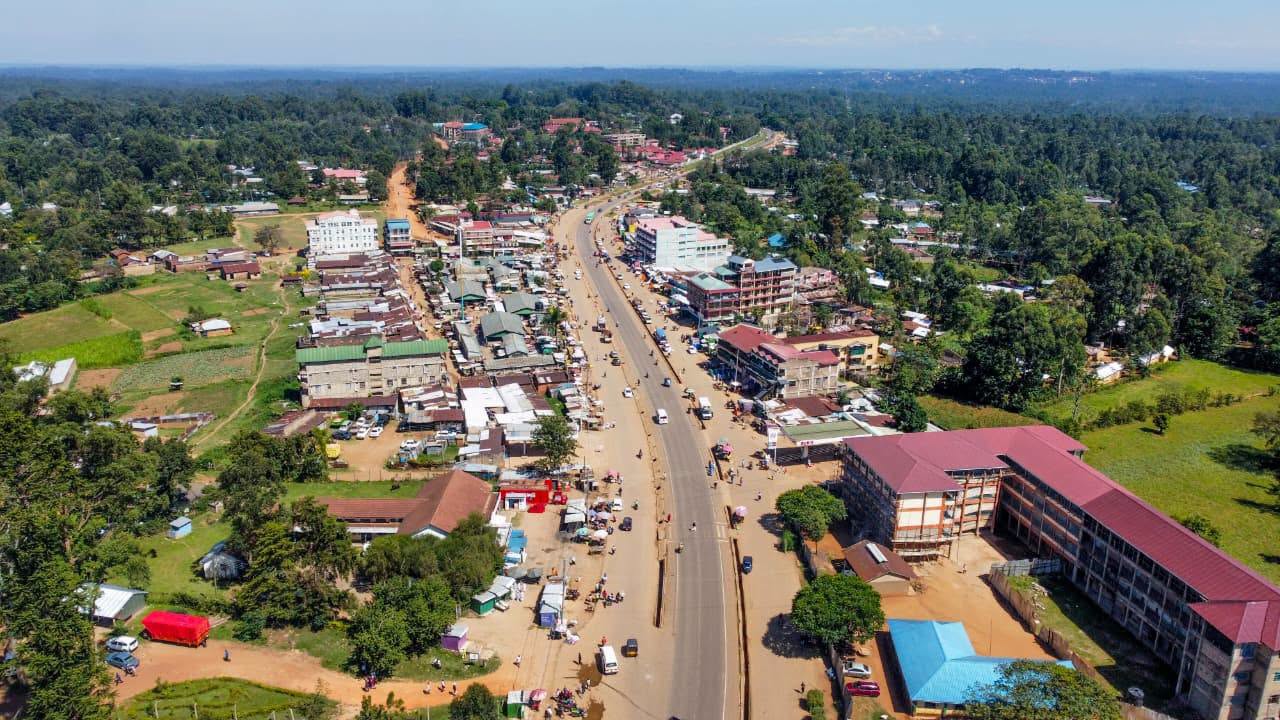
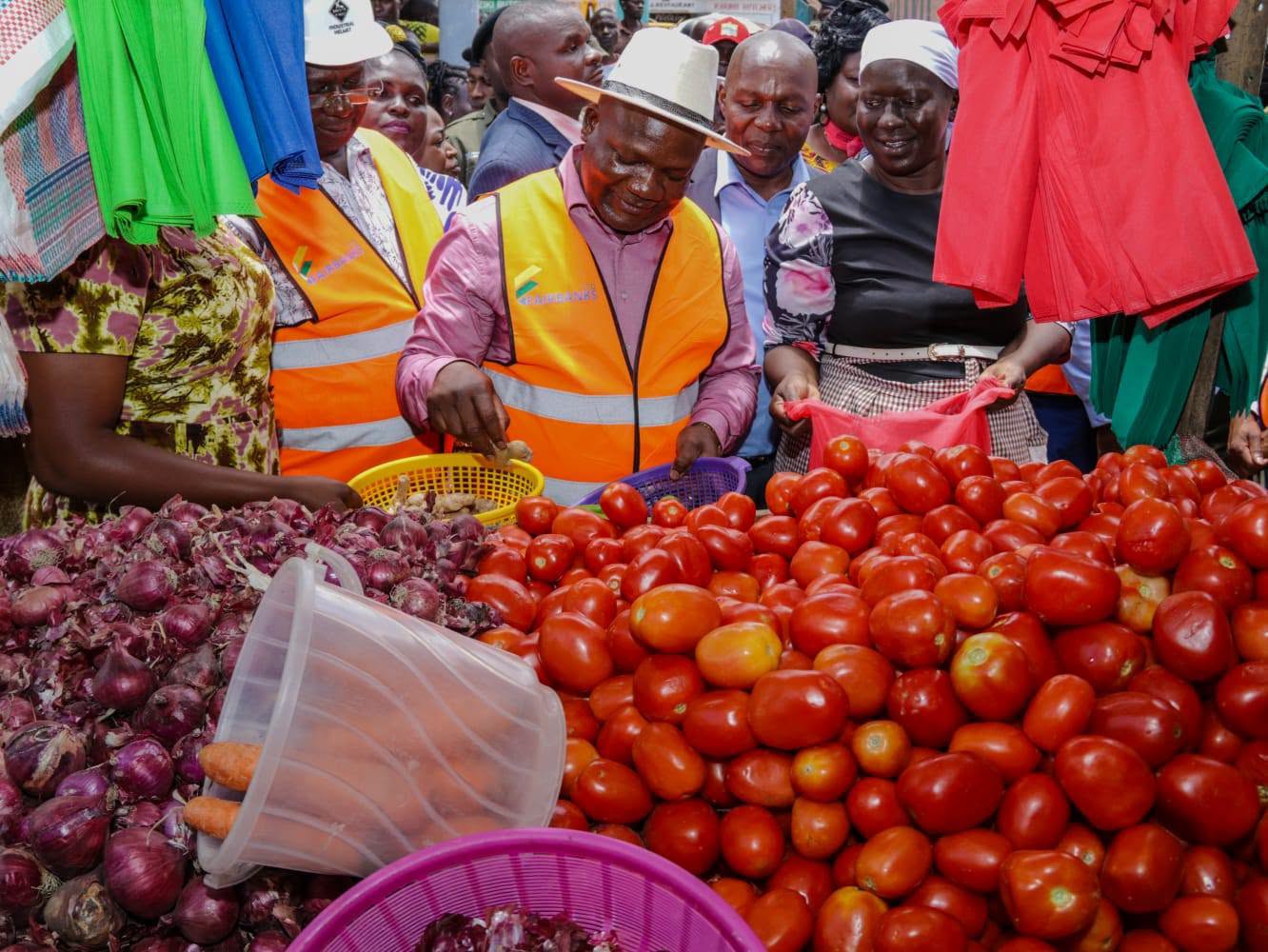
He spoke at Khayega Market in Shinyalu Sub-County, where he launched facelift works under the Kenya Urban Support Programme II (KUSP II).
Barasa said the reported death should serve as a reminder to counties to remain prepared and ensure health systems can quickly detect and respond to suspected infectious disease cases.
He said Western Kenya could not afford complacency, given the movement of people between counties and across the region’s borders.
“We need to prepare ourselves as a region. I am going to convene the governors of Western Kenya so that we can discuss how we can strengthen our preparedness and make sure our people are safe,” he said.
The planned meeting is expected to bring together governors and health officials to discuss surveillance, emergency response, referral systems and coordination in case suspected cases are detected.
Barasa said county governments needed to work closely with national health authorities because infectious diseases do not respect administrative boundaries.
“We must work together as counties, together with the national government and our health teams, to make sure that if there is any threat, we are able to respond to it early,” he said.
He urged residents to report to health facilities rather than waiting for symptoms to worsen or relying on self-medication.
The governor said early reporting would allow health workers to assess patients, establish their travel and contact history and take appropriate action where necessary.
He also appealed to residents to cooperate with health officials undertaking surveillance and contact tracing.
“Do not ignore symptoms. If you are unwell, go to a health facility and allow health workers to assess you,” Barasa said.
His remarks come as the Ministry of Health steps up surveillance following the reported death of a Kenyan citizen who had travelled from the Democratic Republic of Congo through Uganda to Nairobi.
The patient was reported to have tested positive for Bundibugyo Ebola virus disease before his death.
The development has triggered contact-tracing efforts, with health authorities working to identify people who may have been exposed.
Barasa urged residents to remain calm, warning against the spread of unverified information that could fuel unnecessary fear.
“There is no need for panic. What is important is for us to remain vigilant, follow the advice of our health authorities and report anything suspicious to the nearest health facility,” he said.
He said official communication would be critical in keeping the public informed and preventing misinformation.
The governor called on community leaders, health workers and residents to play their part in strengthening disease surveillance, particularly in busy public spaces such as markets and transport centres.
He said health workers should maintain a high index of suspicion when dealing with patients presenting with unusual symptoms, especially where there is a history of travel to areas affected by Ebola or contact with suspected cases.
Barasa said preparedness should also extend beyond hospitals to communities, where early recognition and reporting of suspected cases can help health authorities respond before a disease spreads further.
The governor made the remarks as he launched facelift activities at Khayega Market under KUSP II, a programme supporting the improvement of urban infrastructure and public facilities.
He said development and public health should remain complementary priorities for county governments.
“As we improve our markets and other public facilities, we must also make sure that the health and safety of our people is protected,” Barasa said.
The proposed meeting of Western Kenya leaders is expected to focus on strengthening regional preparedness and ensuring counties have clear mechanisms for sharing information and responding to suspected cases.
Barasa said the region should not wait for an outbreak before putting its response systems to the test.
For residents, his message was simple: stay alert, seek care early and follow verified health information.
“Let us remain vigilant, but let us not panic. If you have a concern, report to a health facility and let the professionals handle it,” he said.